The numbness problem nobody talks about
Reduced sensitivity is wildly common. It shows up quietly after years on certain medications, following trauma that rewires the nervous system, or simply as part of aging. And here's what I hear most often: "I want to feel good again, but nothing really works."
That's where most people get stuck. They assume their body is broken. What's actually happening is their nervous system needs a different signal.
Why traditional vibrators stop working
Standard vibrators rely on direct friction and surface-level stimulation. When you have reduced sensation, your nerve endings are less responsive to that kind of input. You need more intensity, which creates a painful feedback loop. Turn up the buzz and it becomes too much. Keep it gentle and you feel nothing.
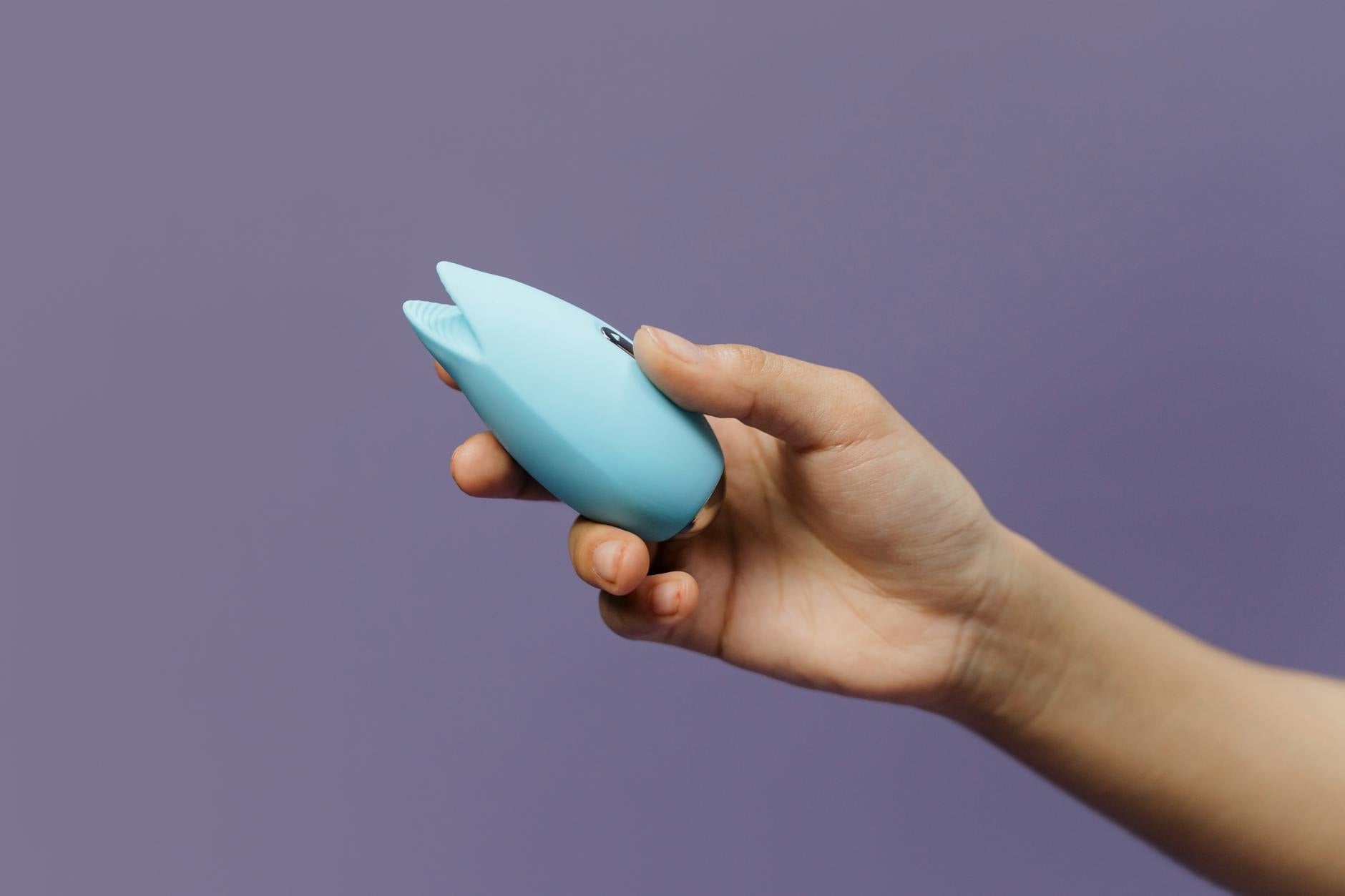
Lemon sexual toys solve this problem differently. They use suction and pulse, not vibration.
Here's the neuroscience part: your clitoris has roughly 8,000 nerve endings concentrated in a tiny area. Traditional vibrators activate these through repetitive friction. But when sensation is reduced, those nerves need a different type of stimulation to fire up.
Suction creates a pressure change. That's a different signal traveling through a different neural pathway. Your nervous system responds to novelty, and that novelty is often exactly what reawakens sensation that felt lost.
The physiology of suction versus vibration
Your clitoris isn't just the external nub you can see. It's a whole structure that extends internally into the vulva. Traditional vibrators can only reach the surface. Lemon clitoral vibrators create a gentle suction that pulls the entire clitoral structure into the device, stimulating far more nerve tissue at once.
When reduced sensitivity is the issue, broader stimulation wins. You're activating more nerves with less intensity, which means pleasure builds gradually instead of hitting a wall.
The other factor: pressure. Reduced sensation often means your body has become numb to light touch. Suction applies steady pressure without the sharp intensity of vibration. It's like the difference between someone tapping your arm and someone holding your arm. One doesn't register. The other does.
Medication-related numbness and the lemon advantage
SSRIs, certain blood pressure medications, and even some antihistamines can dull sensation over time. You're not broken. Your nervous system is just working differently under medication.
Here's what I tell clients: you haven't lost capacity. You've lost responsiveness. There's a meaningful difference.
When you switch from traditional vibration to suction, you're not just changing the toy. You're changing the type of signal your nervous system receives. A lot of people find that sensation returns faster with a lemon sexual toy than it ever would trying to push through with a standard vibrator.
Age and sensitivity shifts
This is true whether you're 35 or 65. Tissue changes, hormone levels shift, and the nerves themselves can become less responsive over time. It's biology, not failure.
What changes the game for a lot of my clients is permission. Permission to use a toy that feels different. Permission to need something gentler. Permission to explore rather than perform.
Lemon suction vibrators feel less clinical than traditional vibrators. There's something almost playful about them. That mental shift matters more than people realize. When you're not braced for sensation, when you're curious instead of desperate, arousal builds naturally.
Trauma, tension, and the nervous system reset
Reduced sensitivity can also be a protective response. After certain experiences, your nervous system downregulates sensation as a safety mechanism. You might feel numb not because of physiology but because part of you is still guarding.
In my practice, I see this shift when people use tools that feel less invasive. Suction isn't penetrative. It's not aggressive. For a lot of people, that gentleness creates space where sensation can return without triggering the protection response.
This is why I almost always recommend starting with suction vibrators for pelvic tension before jumping to traditional vibration when there's a history of trauma. You're teaching your nervous system: this is safe, this is pleasurable, you can let go.
How to actually use a lemon vibrator when sensitivity is low
Three things that make a real difference.
1. Lube changes everything. Lemon clitoral vibrators work better with lubricant because it lets the suction create better contact with the skin. Without adequate lube, the seal breaks and you lose the effect. Water-based is fine. Silicone lube lasts longer and feels richer if you have time.
2. Start at the lowest setting and stay there. Reduced sensitivity means you want to build sensation gradually, not chase intensity. A lot of people set the lemon vibrator too high and then get frustrated when they don't feel it. Start at pattern 1. Spend 10 minutes there. Most of the time, sensation emerges as your body relaxes into it.
3. Budget extra time. When sensitivity is reduced, arousal takes longer to build. That's not a problem. That's information. Give yourself 20 to 30 minutes, not 5. Your nervous system is waking up. Let it.
The comparison that matters
If you've tried traditional vibrators and they either feel like nothing or feel too intense with no middle ground, a lemon suction vibrator is worth the experiment. You're not replacing one toy with another. You're changing the type of signal entirely.
Many of my clients who struggled with sensation report that a lemon clitoral vibrator unlocked pleasure they thought was gone. Some feel intensity faster than they expected. Others notice sensitivity returning over weeks of use. The variability is normal. Your nervous system is unique.
When to get professional support
If reduced sensitivity arrived suddenly or is accompanied by pain, talk to your doctor. Sometimes numbness is a side effect worth adjusting medication for. Sometimes it's worth a gynecology appointment to rule out other factors.
But if the numbness is longstanding, medication-related, or part of aging, and you're just looking for tools that actually work? That's where most people find the real shift happens. Not from seeing another specialist, but from trying something designed differently.
Your pleasure is worth the experiment. Start with lube, start low, and give your body time to wake up.
People also ask
Q: Can reduced sensitivity from antidepressants come back with the right vibrator?
Not guaranteed, but it often does. The medication hasn't damaged your nerve endings. It's changed how your nervous system processes sensation. Switching to a tool that creates a different type of signal sometimes helps your body re-engage with pleasure. If it doesn't shift after a few weeks of regular use, that's worth a conversation with your doctor about timing or dosage.
Q: How long does it take to feel something with a lemon clitoral vibrator?
Varies wildly. Some people feel a difference in the first session. Others notice gradual improvement over a few weeks of use. The key is not to white-knuckle it. Use the toy when you're genuinely curious, not when you're desperate to feel something. Desperation tenses everything up. Curiosity relaxes you.
Q: Is suction actually gentler than vibration?
It's different, not automatically gentler. Suction applies steady pressure instead of rapid movement. For reduced sensitivity, this often feels better because you're getting more contact without harshness. But gentleness is individual. Some people prefer the feel of vibration even at lower levels.
Q: Will a lemon vibrator help if my sensitivity is from trauma?
Maybe. It depends on your nervous system and your specific history. What I know from clinical experience is that tools designed differently sometimes feel less triggering. Suction feels less invasive than traditional vibration for a lot of people. That might be enough to create space for sensation to return. It might not be. Professional support matters here.
Q: Do I need a special lube for a lemon sexual toy?
No. Water-based works fine. Silicone-based lasts longer but can degrade silicone toys over time. As long as you're using actual lube and not saliva or oil, you're supporting the suction function.
Q: Can I use a lemon vibrator if I also have pelvic pain?
Start very gentle and stop immediately if anything feels wrong. Reduced sensation and pelvic pain sometimes coexist. That's worth talking through with a pelvic health physical therapist before diving in. But many people find that suction-based stimulation feels less triggering than traditional vibration, especially for pain-sensitive tissue.