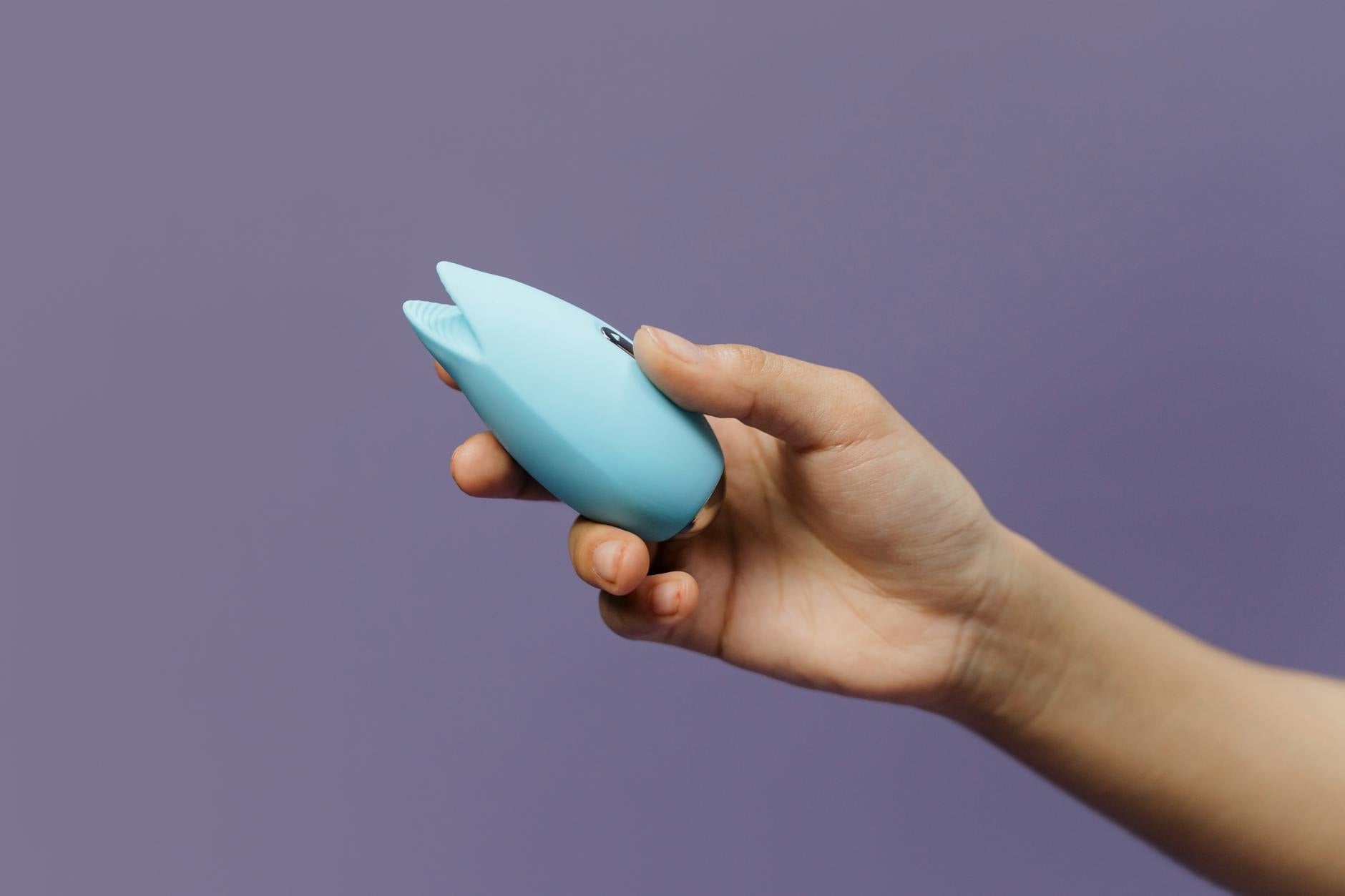
Why Lemon Clitoral Vibrators Work Better With Lubricant
Let's be clear about how lemon vibrators actually work
If you've just bought a lemon clitoral vibrator or are thinking about getting one, you might assume you can just switch it on and go. That's not how this works. A lemon vibrator is a suction-based device, which means it relies on creating and releasing a gentle seal against your skin to produce that signature sensation. Without the right lubrication, you lose the seal. Without the seal, you lose most of the magic.
This is the part that catches people off guard. You'd think something that's already wet wouldn't need extra lubrication. But natural lubrication and the kind of lube that works best with silicone toys are two completely different things.
How the seal actually works
A lemon vibrator creates suction by gently drawing the clitoral area into the device's cup, then releasing it in a rhythmic pattern. That sensation comes from the pressure differential, not vibration. Think of it like a tiny mouth creating pulses of pressure rather than a buzzing motor.
For that to work, you need an airtight or near-airtight seal. When there's a gap between your skin and the rim of the device, air escapes and the suction weakens. That's where lubricant comes in. A thin, slippery layer helps the silicone cup create better contact with your skin, which means stronger suction and more intense sensation.
Natural vaginal fluid can help with this, but it's not consistent. Arousal levels fluctuate, and sometimes you might not produce enough lubrication to maintain a strong seal throughout a session. External lube gives you control.
Water-based vs. silicone-based: what you actually need to know
Here's the short version: use water-based lubricant with your lemon vibrator. Period.
Silicone-based lubes are slicker and longer-lasting, which sounds great. But silicone lube can degrade silicone toys over time. It's a chemical compatibility thing. If you use silicone lube on a silicone toy, you're essentially applying a solvent to the material's surface, which can make it sticky, tacky, and eventually degraded. Not ideal when you want your toy to last.
Water-based lubricants are the safe choice. They work beautifully with silicone, they rinse off completely, and they won't damage your toy or your body. The trade-off is that water-based lube can feel a bit less slippery than silicone formulas, and it can dry out faster during longer sessions. That just means reapplying it halfway through if you're going for 15 or 20 minutes.
If you have sensitive skin or frequent yeast infections, avoid lubes with glycerin or parabens. Look for hypoallergenic, paraben-free options. Brands like Good Clean Love or Sliquid make solid formulas that are body-safe and toy-safe.
How much lubricant to use
This is where people often mess up. They either use too little, which doesn't solve the seal problem, or too much, which creates a mess and actually reduces sensation because the excess lube breaks the seal.
Start with about a quarter-sized amount on the rim of the device. Spread it around the silicone cup evenly, then add a small dab to your clitoris. That's usually enough to get a good seal without being wasteful. If you're finding the sensation is still weak after a minute or two, add a tiny bit more. You're looking for a thin, even coating, not a puddle.
During longer sessions, the water-based lube will dry out naturally. You'll notice the suction feels less intense or the device starts to slip. That's your cue to add a touch more. Just a few drops in the cup and you're back in action.
One pro tip: if you're using a water-based lube and it dries too quickly for your liking, try a hybrid lubricant. These mix water and silicone bases, which gives you the safety profile of water-based lube with longer-lasting glide. Still check the label to make sure it's safe for silicone toys.
Why natural lubrication isn't always enough
Your body's own lubrication is designed for a lot of things, but it's not optimized for creating an airtight seal with a silicone device. Here's why.
Vaginal fluid is thicker and more viscous than most commercial lubricants. That sounds like it would work better, but thickness actually works against suction. A thin, slippery coating creates better contact than a thick one. Plus, natural lubrication changes throughout your cycle, throughout a session, and based on your arousal level. Some days you produce more than others. Some people produce very little, especially if they're on medications like antihistamines or SSRIs, or if they're post-menopausal.
Using commercial lubricant removes that variability. You get consistent sensation every time, regardless of where you are in your cycle or how your body is responding in that moment.
The temperature trick people don't talk about
Warm lubricant feels better than cold lubricant, period. Before you use your lemon vibrator, run the bottle under warm (not hot) water for 30 seconds or keep it in a warm place. That small detail changes the entire experience. Warm lube feels more body-like, glides better, and helps you relax into the sensation more easily.
This matters especially if you're new to lemon vibrators or if you tend toward tension during solo play. The warmth signals to your nervous system that this is pleasurable and safe, which helps your body actually relax enough to enjoy it.
What happens if you skip the lube
You might get some sensation, but you're working at about 60% capacity. The suction won't be as strong, the device might slip or lose contact with your skin, and the whole experience feels less defined. Some people describe it as muffled or disappointing compared to what they expected.
Worse, without proper lubrication, you risk irritation from friction. Suction devices work because they're designed to distribute pressure evenly, but without lubrication helping the device stay in place, you end up with uneven pressure and potential chafing. Not painful usually, but uncomfortable and not worth it.
You spent good money on a lemon vibrator. Use it the way it's designed to be used.
Application technique matters too
Don't just slap lube on and go. Take 10 seconds to apply it properly. Here's the actual process.
First, apply the lube to the silicone rim of the device, not directly into the cup. The rim is what creates the seal, so that's where you need the lubricant to go. Use your finger to spread it around evenly, making sure there are no dry spots.
Then add a tiny bit to your clitoris. You don't need much. Just enough so that when you press the device against your skin, there's a thin layer between the silicone and your body.
Press the device gently against your clitoris to engage the seal before you turn on the suction. You should feel a gentle suction pull. If you don't feel it, the seal isn't formed. Add a tiny bit more lube and try again.
Once the seal feels solid, you can turn on the device and adjust the intensity from there.
Why timing matters when using lubricant
If you've read other guides on using lemon vibrators correctly, you might have seen recommendations to use lube during a specific part of your session. That's real advice, but it's nuanced.
At the start of a session, your body's natural lubrication might be minimal. That's when external lube is most helpful. As you get more aroused, your body usually produces more fluid. Some people find that by the time they're mid-session, they can reduce the external lube and rely on their body's own lubrication.
Others find they need external lube throughout. There's no wrong answer. This is personal variation, and you'll figure out what works for you after two or three sessions.
If you're using a lemon vibrator with a partner, external lubricant is almost always helpful. It takes pressure off both of you to have the "right" amount of natural lubrication happening at the "right" time. You can focus on connection instead of logistics.
Lubrication and sensitivity shifts
If you've been reading other content on this site about lemon vibrators and sensitivity, you've probably come across posts about how sensation changes over time, after pelvic surgery, or because of hormonal shifts. Lubrication intersects with all of that.
If you're someone with naturally lower lubrication due to hormonal changes, a good water-based lubricant isn't just nice to have. It's essential for actually feeling the device work properly. For that reason, choosing lubricant might be one of the first steps if you're exploring lemon vibrators after hormone therapy or in later stages of life.
Similarly, if you've had pelvic surgery or trauma, starting with external lubricant from day one removes a variable and helps you focus on relearning pleasure in your own body. You're not wondering whether the muted sensation is because of the surgery or because you're not lubricated enough. You know the device is set up for success.
Storage and shelf life of your lubricant
One last thing that matters: water-based lubricants don't last forever. They can develop mold or bacteria if stored in warm, humid places like bathrooms. Store yours in a cool, dry spot, and check it periodically. If it smells off or looks discolored, replace it.
A bottle usually lasts a few months if you're using it regularly, longer if you use it occasionally. Keep track so you're not caught without lube when you want to use your lemon vibrator.
The bottom line
Your lemon clitoral vibrator is engineered to work with lubricant. Water-based lube, applied in a thin even layer, creates the seal that makes suction-based stimulation feel incredible. Skip it and you're leaving pleasure on the table. Start with the lube, master the technique, and then experiment from there.
People also ask
Can I use coconut oil with my lemon vibrator?
No. Coconut oil is silicone-based at a molecular level (it's a natural oil, which breaks down silicone toy material over time). Stick to water-based lubricants made for intimate use. Coconut oil can also cause yeast infections in some people, so it's worth avoiding for internal use altogether.
How do I know if I'm using too much lubricant?
If the device keeps slipping off your skin or won't maintain a seal, you've used too much. The lube should be thin enough that you can see the silicone cup, not shiny with a visible layer of liquid. Start with less and add more if you need it. Better to reapply halfway through than to use too much at the start.
Does lubricant reduce the intensity of a lemon vibrator?
No. The right lubricant actually increases intensity by helping the device create a better seal. What might reduce intensity is using the wrong kind of lubricant (silicone-based) or using so much that the seal breaks. Water-based lubricant in the right amount will enhance your experience.
Can I use my partner's body as lubricant during partnered play?
Partially. Your partner's saliva or natural lubrication can help, but it's usually not consistent enough to maintain a strong seal throughout a session. Using external lubricant alongside that takes the pressure off both of you and usually results in more sensation. Think of external lube as a layer of insurance for better results.
Is there a lube that lasts longer than water-based options?
Hybrid lubricants (water and silicone blend) last longer than pure water-based formulas, and they're still safe for silicone toys. They're worth trying if you find yourself needing to reapply frequently. The trade-off is that they can be harder to clean up.
What if I'm allergic to common lubricant ingredients?
Look for hypoallergenic, paraben-free, glycerin-free water-based lubricants. Brands like Good Clean Love, Sliquid, and Yes make formulas designed for sensitive skin. You can also ask your gynecologist for recommendations if you have a history of reactions. A good lubricant shouldn't cause irritation.
If you're new to exploring lemon vibrators, understanding how they work mechanically (and why lubrication matters) is half the battle. Once you've got the technique down, using a lemon clitoral vibrator becomes intuitive. And if you're already experienced, the small adjustments we've covered here might unlock sensations you've been missing.
Ready to explore further? Check out our guide on how to use a lemon vibrator correctly without pain or discomfort for a deeper dive into technique, or learn more about why lemon vibrators feel better than expected when you first use one. If you're navigating this with a partner, how to introduce lemon vibrators to your partner without discomfort or shame walks through that conversation in a grounded way.
Have questions about lube, technique, or what Hello Nancy product might work for you? Reach out at /contact. I'm here to help.