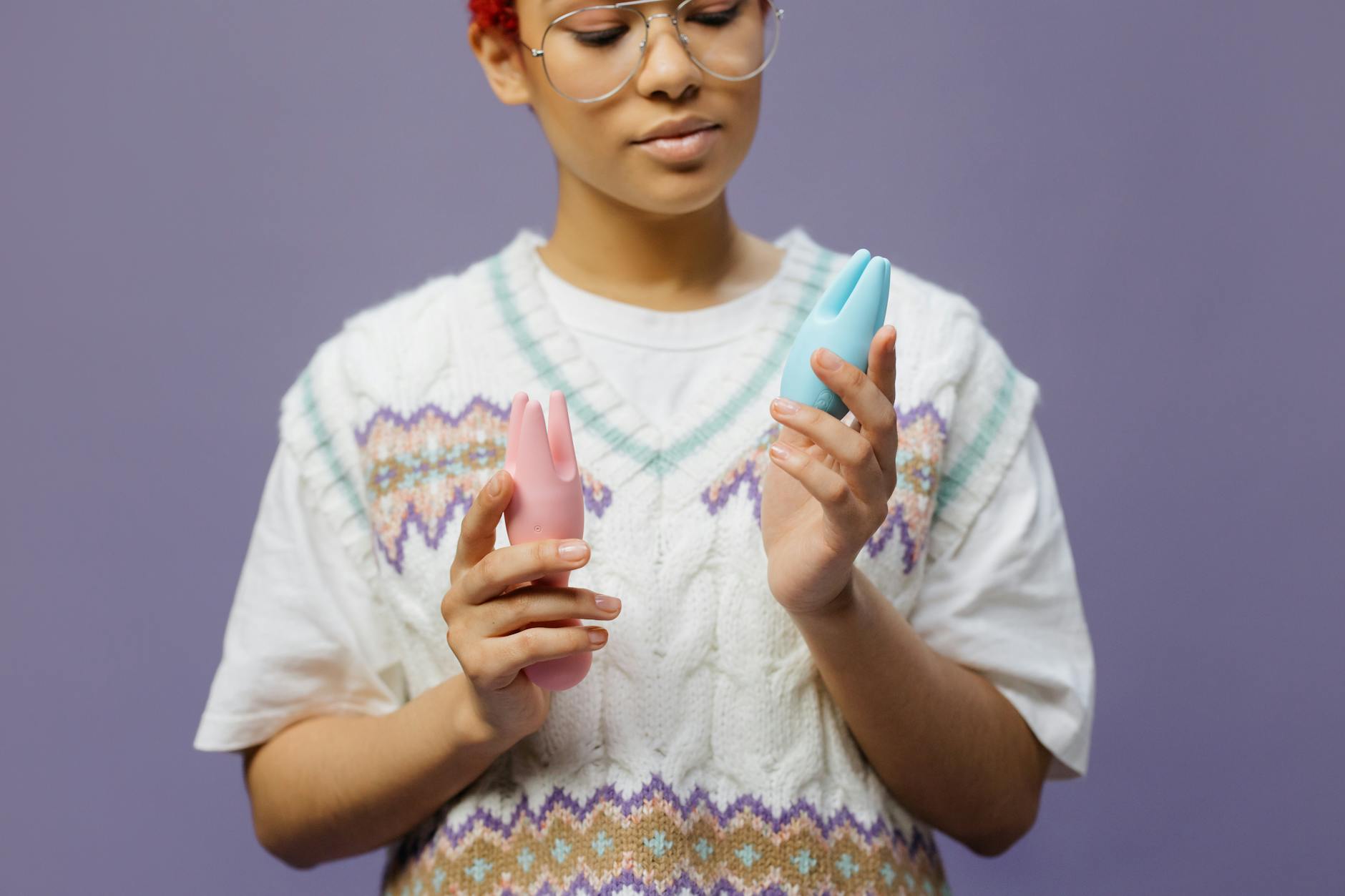
Let's be real about lemon vibrators and pain
If your first experience with a lemon clitoral vibrator felt sharp, numb, or just wrong, you weren't using it incorrectly because you're inexperienced. You were probably using it incorrectly because nobody tells you the actual mechanics. The pressure, angle, and approach are wildly different from traditional vibrators, and that difference is exactly why lemon sucker toys work so well once you get it right.
Here's what happens: most people press a lemon vibrator directly onto the clitoris with firm, steady pressure. It feels intense immediately. Then it starts to ache or go numb. So they assume they're not doing it right, or worse, that their body doesn't like the device. Both assumptions are wrong. You're just applying too much pressure or holding it in one spot too long.
I've worked with hundreds of people navigating this exact friction point, and the good news is that a few small adjustments fix it completely.
The pressure myth
A lemon vibrator doesn't require the kind of direct, sustained pressure you might use with a traditional wand or bullet vibrator. The suction mechanism does most of the work. Your job is to apply light contact and let the device do what it's designed to do.
Think of it this way: if you were holding a suction cup to glass, you wouldn't squeeze it hard to make it stick better. You'd let the suction do the work. Same principle with a lemon clitoral vibrator.
Start with barely-there contact. Skin-to-toy contact, nothing more. If you're pressing hard enough to flatten or indent the area, you're pressing too hard. The discomfort you feel isn't a sign you need more pressure; it's a sign you need less. Many people find that once they drop their pressure by 60 to 70 percent, the sensation transforms from sharp to deeply pleasurable.
Angle and positioning matter more than you think
Where you position the lemon vibrator on your body affects how it feels just as much as how hard you press. The clitoris isn't a point; it's a complex structure with a visible head and a much larger internal structure that extends down. Different angles and positions stimulate different parts.
Start by positioning the device slightly off-center rather than dead-center on the visible tip. Many people find the sensation is more comfortable and more intense when the opening of the device is pointing at the side or slightly lower, catching both the head and the surrounding tissue. Experiment with positioning it at 12 o'clock, 3 o'clock, and 6 o'clock relative to your body and notice where it feels best.
Angle matters too. Instead of holding the device perpendicular (straight up and down), try tilting it slightly at a 30 to 45 degree angle. This distributes pressure across a larger area and often feels less intense and more sustainable than straight pressure.
The speed-and-timing thing nobody talks about
Lemon vibrators are designed with multiple suction patterns and intensities. Most people start on the highest intensity setting because it feels most impressive. That's the move that usually leads to pain or numbness.
Begin on setting 1 or 2. Seriously. Let your body adjust to the sensation for 30 seconds to a minute before increasing intensity. Your nervous system needs time to recognize the stimulus as pleasurable rather than irritating. If you jump straight to high intensity, you're overwhelming your tissue and your brain at the same time.
Pattern choice is also underrated. Pulse patterns and wave patterns feel completely different from steady suction. If steady suction on setting 3 feels overwhelming, try a pulsing or wave pattern on setting 4. The intermittent sensation is often easier to receive and can feel more interesting after you've adapted.
Don't hold any single pattern or position for longer than 3 to 5 minutes without a break. Even when it feels amazing, your body needs recovery time between sessions. How to Rest Your Clitoris Between Lemon Vibrator Sessions covers this in depth, but the short version is this: constant, uninterrupted stimulation can lead to desensitization or soreness.
Lubrication and moisture absolutely matter
Here's something people often miss: lemon clitoral vibrators work best when there's some moisture present, but not overwhelming wetness. A tiny bit of water-based lubricant on the inner opening of the device (not on your skin) helps the suction function smoothly and reduces any drag or pinching sensation.
If you're naturally very wet, that's fine, but if your skin is dry, add a drop of lube. If you're very aroused and very wet, a small amount of lube inside the device still helps. It's not about lubrication in the traditional sense; it's about ensuring the seal and suction work cleanly without friction.
Avoid silicone-based lubricants with silicone devices like the lemon vibrator. Use water-based or hybrid lubes only. The silicone in some lubes can degrade silicone toys over time.
Building arousal time is not optional
Lemon vibrators, and especially lemon sucker toys, work much better when you're already aroused. Your clitoral tissue becomes engorged, more sensitive, and more receptive when blood flow has increased. Using a lemon vibrator when you're not aroused is like trying to use it on someone else's body. It's a lot harder to enjoy.
Spend 5 to 10 minutes with solo exploration, partnered touch, or whatever gets you mentally engaged before you introduce the device. Read something that interests you, fantasize, watch something that appeals to you. Let your body warm up. Then bring the lemon clitoral vibrator into play.
This isn't about being more aroused to be able to "handle" the intensity. It's about opening up the right nervous system response so the sensation reads as pleasure instead of overstimulation. Arousal and discomfort are managed in different parts of your brain, and arousal wins when it's present.
Common mistakes that make things worse
Pressing hard because it doesn't feel like "enough." Lemon vibrators are subtle at first. The sensation builds. Pressing harder doesn't add pleasure; it adds pressure. Trust the device.
Not moving the device at all. Holding it in one spot creates localized pressure. Micro-movements, even tiny circles or gentle side-to-side slides, distribute sensation and keep things comfortable. You're not trying to stay perfectly still.
Starting at high intensity because you read someone else's review. That person's body is not your body. Your sensitivity is not their sensitivity. Every single person who complains about pain from a lemon vibrator has, when asked, admitted they started at level 3 or higher. Start low. Wait. Increase gradually.
Using it immediately after physical activity or when you're already tense. If you've just come from the gym or you're wound up about something, your nervous system is already activated. Add a lemon vibrator to that and you can get overstimulation without realizing why. Save it for when you're calm and present.
When to see someone about pain
If you're following all of this and you're still experiencing sharp, shooting, or localized pain rather than discomfort, that's worth mentioning to a healthcare provider. Pain and overstimulation are different. Pain is your body saying something's wrong. Overstimulation is your body saying you did too much intensity too fast.
Vulvodynia, pelvic floor dysfunction, and a few other conditions can make vibrator use uncomfortable regardless of technique. That's not a vibrator problem and it's not a you problem. It's a signal to check in with someone who specializes in this. Many gynecologists and pelvic floor physical therapists now have experience with vibrator-related discomfort and can help.
The adjustment window
Most people who feel awkward or painful sensations on their first try find that things click into place within 3 to 5 sessions once they adjust pressure, angle, and speed. Your body is learning a new sensation and your brain is recalibrating what feels good. That takes a handful of tries. Be patient with yourself through that window. You're not broken. Your device isn't broken. You're just learning.
Frequently asked questions
Why does my lemon vibrator feel pinchy or sharp?
You're either pressing too hard, holding it in one spot too long, or using an intensity level that's too high for where you are in your arousal cycle. Drop pressure by at least 50 percent, move the device in gentle circles, and decrease intensity by one or two levels. The sharp feeling should disappear within 30 seconds of making these changes.
Is numbness normal when using a lemon clitoral vibrator?
Numbness happens when pressure and duration are too high. It's your nervous system saying "okay, that's enough input." It's not dangerous, but it means you've gone too far. Take a 5 to 10 minute break, then try again with lighter pressure and shorter sessions. Numbness isn't a sign the device isn't working; it's a sign you're using it too intensely.
How long should I use a lemon vibrator in one session?
Start with 3 to 5 minutes per session when you're new to the device. As your body adapts, you can extend to 10 to 15 minutes, but broken into 5-minute chunks with micro-breaks in between. How Often Should You Use a Lemon Vibrator? goes deeper on this, but the short answer is: less time at lower intensity beats longer time at high intensity every single time.
Can I use a lemon vibrator if I have sensitive skin?
Yes, but start even lower and slower than the baseline. Use barely-there pressure, the lowest intensity setting, and the gentlest pattern. Take longer breaks between sessions. Your tissue is communicating its limits; listen to it. Sensitivity isn't a barrier; it's just information about where to start.
Why does my lemon sucker feel uncomfortable after orgasm?
Your sensitivity changes after orgasm. Your nervous system is in a different state. What felt perfect before climax can feel overstimulating after. This is completely normal. Some people want to continue for multiple orgasms; others need a break. Honor what your body is telling you in that moment. There's no "right" way to feel.
Should I use lube inside the device or on my skin?
Inside the device, at the opening, helps with suction function and reduces any drag. On your skin is optional unless you're dry. A tiny bit of water-based lube on the inner opening is all you need. Don't overdo it; too much lube can reduce suction effectiveness.
The bottom line
Lemon vibrators, including the lemon clitoral vibrator and lemon sucker designs, feel incredible once you understand that pressure, angle, and speed are adjustable levers, not fixed settings. Start light. Start slow. Move gently. Build gradually. Take breaks. Your body isn't rejecting the device; it's learning a new language. Give it a handful of tries with these adjustments and you'll likely find that what felt uncomfortable becomes one of your favorite sensations. If it doesn't, that's also okay. Not every tool works for every body. But most of the time, a small tweak changes everything.
Want more personalized guidance on what might work best for your body and sensitivity level? Reach out. We're here to help you figure it out.