Let's be real about antidepressants and sex
Your SSRI is saving your life. It's also flattening your ability to orgasm, and you're not alone. Between 30 and 60 percent of people taking selective serotonin reuptake inhibitors report sexual dysfunction, from difficulty reaching orgasm to numbness so complete that sex becomes a chore you've stopped trying for. It's one of the most common reasons people quietly stop their medication without telling their doctor.
But there's something important: antidepressant-induced sexual dysfunction is not permanent, it's not inevitable, and it's not a failure on your part. It's a physiological side effect, which means it's fixable.
How SSRIs actually affect sensation
SSRIs work by increasing serotonin in your brain. That's good for mood. But serotonin also regulates blood flow, nerve sensitivity, and the cascade of physical responses that lead to arousal and orgasm. Higher serotonin can dampen dopamine, which is the neurotransmitter that drives desire. It can also reduce genital blood flow, making it harder for tissues to swell and respond to stimulation.
The result? You feel distant from your own body. Touch that used to spark something produces almost nothing. Orgasms, when they happen at all, feel muted or mechanical. For some people it's like watching pleasure happen to someone else on a screen.
Why lemon clitoral vibrators work differently
Here's where the mechanics matter. Most traditional vibrators rely on frequency and repetition to build sensation. They work fine for people with typical neurological response, but when antidepressants have already flattened nerve sensitivity, frequency alone doesn't cut through the numbness.
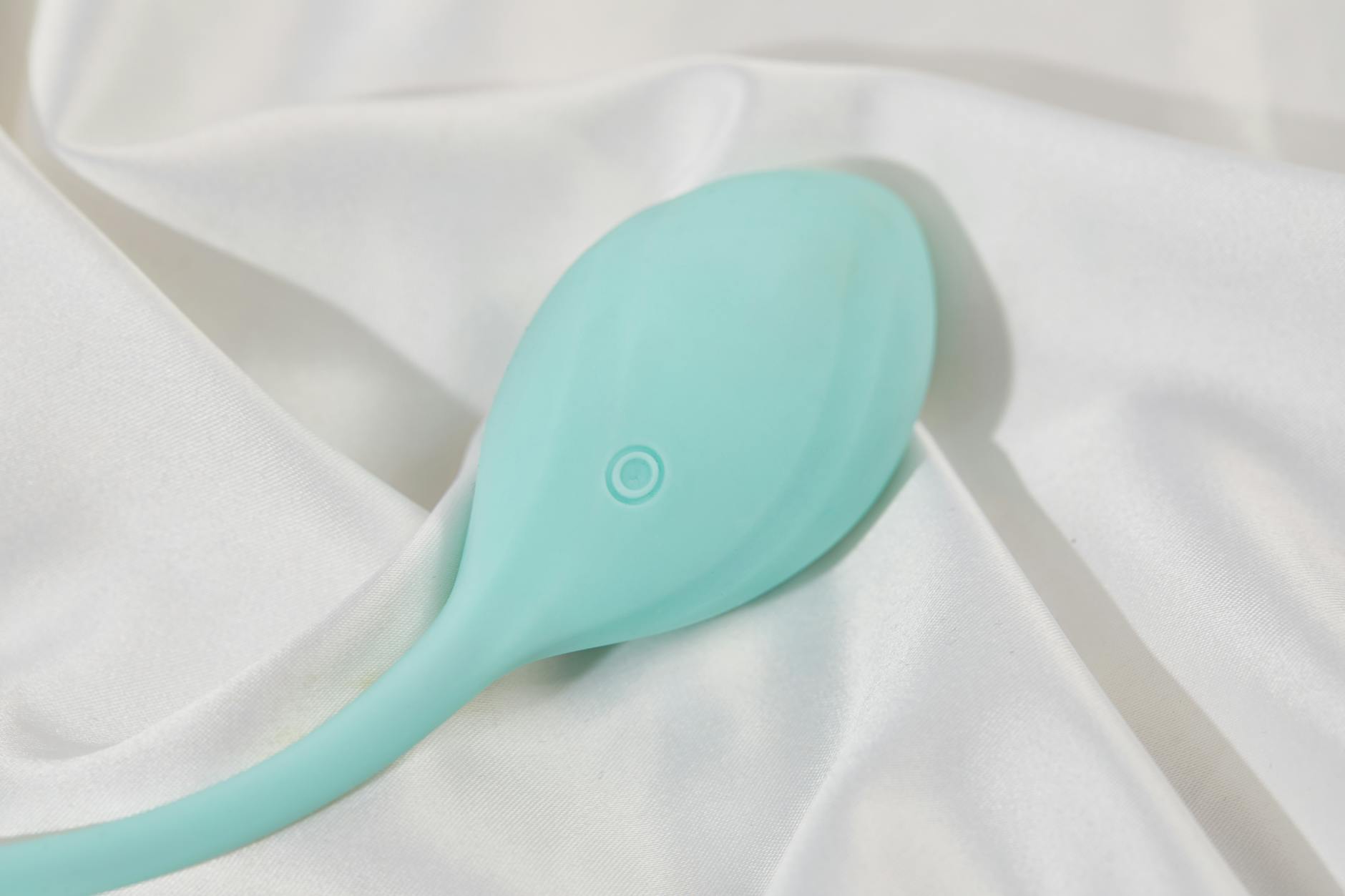
Lemon vibrators like the Hello Nancy Lem use suction and gentle pulsing instead of direct high-speed vibration. Suction creates a different kind of stimulation. It doesn't just tap at the surface. It pulls gently on tissue, activating deeper nerve clusters that SSRIs haven't completely muted. For a lot of people on antidepressants, this approach bypasses the numbness in a way traditional vibrators can't.
It's not that lemon suction vibrators are magic. It's that they stimulate the clitoris through a completely different neurological pathway. When one path is dulled, another one often still works.
What timing and dosing can change
Talk to your doctor about this. I know it's awkward. Do it anyway.
Three things your psychiatrist or GP might suggest:
Dose timing. If you take your SSRI at night, try taking it right after you have sex instead. Antidepressants take time to reach peak concentration in your bloodstream. If you can create a window between medication and intimacy, you might reclaim some sensation.
Dose adjustment. Sometimes lowering your dose by even 5 or 10 milligrams improves sexual function without affecting mood. This only works if you have stability already, but it's worth asking about.
Switching medications. Some SSRIs are worse for sexual function than others. Sertraline and paroxetine are the biggest culprits. Bupropion and certain other classes have less impact on desire and orgasm. If you're struggling, switching might be an option your doctor can explore.
None of this means stopping your medication. It means working with your prescriber to troubleshoot.
The lemon vibrator strategy that actually helps
Start with the assumption that sensation exists. It's just muted, not gone.
Use your lemon clitoral vibrator on the lowest intensity setting. I'm not saying this because you're fragile. I'm saying it because on low intensity, you're more likely to notice micro-sensations that get lost on high speed. Start at setting 1 or 2. Spend 10 to 15 minutes exploring, not chasing orgasm. This isn't about the finish line.
Add lubricant. Water-based is fine. Antidepressants often reduce natural lubrication, and your tissues will be more responsive when they're slick. This isn't a workaround. This is meeting your body where it actually is.
Use it the same time each day if possible. Neurologically, your body learns patterns. If you use your lemon vibrator every morning or every Thursday night, your nervous system starts anticipating it. That anticipation activates dopamine, which helps counteract the serotonin flattening.
Be patient. Sensation often returns slowly. You might not feel an orgasm building the way you remember it. Instead you might notice a small warming, then a slight pressure, then something that barely qualifies as a release. That's the beginning. That's real. It gets bigger over weeks.
Communication with partners during this time
If you're in a relationship, your partner needs to understand that this isn't about them, it's not about attraction, and it won't last forever. It is about antidepressants doing exactly what they're supposed to do, which includes some side effects.
Here's what helps: separate the problem from the solution. "I'm taking medication that's numbing my sensation" is different from "Let's try something that might help." The first is explanation. The second is action. Do both.
Maybe your partner uses the lemon clitoral vibrator with you. Maybe they just give you space and time. Maybe you need to talk about whether sex happens during this stretch or pauses temporarily. All of these are okay. What's not okay is pretending everything's fine when it isn't, or assuming your partner will just wait indefinitely without knowing what's happening.
When to push back on your medication
Not everyone should stay on the same antidepressant if sexual dysfunction is severe. If your quality of life improves on medication but your relationship or self-care suffers because you've lost all sexual function, that's information worth bringing to your psychiatrist.
But here's what I tell couples: depression itself also kills libido. Sometimes what feels like medication side effects is actually depression getting better enough that you're finally noticing what was broken underneath. Worth sorting out with your doctor.
The psychological piece people skip
Antidepressants numb sensation, yes. But they also often relieve the anxiety or depression that was stopping you from even wanting to try. For some people, reclaiming pleasure takes mental work alongside the physical work.
You might need to relearn what your body feels like. You might need to grieve the ease of orgasm you had before. You might need to practice asking for what you want instead of expecting your partner to read your mind. A lemon clitoral vibrator is a tool, not a fix for the whole picture.
If you're struggling with both depression and low libido, a therapist who specializes in both mood and sexuality can help more than a blog post ever could.
Small wins count
You don't need to restore the exact sensation you had before you started antidepressants. You need to find what works now. For a lot of people, that means exploring how lemon vibrators improve sensation when other approaches haven't worked, or understanding how antidepressants affect sensitivity so you can work with your body instead of against it.
The Lem or another lemon clitoral vibrator is genuinely helpful for a lot of people because it works through a different mechanism than what SSRIs are dampening. But it works best alongside conversation with your prescriber, communication with your partner, and patience with yourself.
Your medication is keeping you stable. Your pleasure can come back. Both things are possible.
People also ask
How long does it take for sexual side effects to improve after starting an antidepressant?
Sexual side effects usually appear within the first week or two of starting an SSRI, but they don't always stick around. For some people, the body adjusts after 4 to 8 weeks and sensation returns on its own. For others, the numbness persists for as long as they take the medication. There's no universal timeline. If you're experiencing sexual dysfunction, talk to your doctor after 6 to 8 weeks. That's usually when you have enough information to decide whether to adjust dose, timing, or medication.
Can you take something else to counteract antidepressant sexual side effects?
Yes. Some doctors prescribe medications like buspirone or bupropion to counteract SSRI-induced sexual dysfunction. Others suggest adding a medication holiday (stopping the antidepressant for a day or two before sex, which only works if your condition is stable). Some people try taking their medication right after sex instead of before. These are all conversations to have with your prescriber, not things to try on your own.
Do lemon vibrators work better than traditional vibrators for people on antidepressants?
They can, because they stimulate through a different mechanism. Suction and pulsing activate nerve pathways that high-frequency vibration doesn't touch. That said, what works is individual. Some people on SSRIs respond better to a stronger sensation than suction provides. Others feel nothing until they try a lemon clitoral vibrator. The best approach is to try one and pay attention to what your body actually tells you.
Is loss of libido from antidepressants permanent?
No. Sexual side effects usually resolve if you switch medications, lower your dose, or simply stop taking the medication. But depression itself also kills libido, so sometimes what feels like medication side effects is actually your mood improving enough that you're noticing what's underneath. A psychiatrist can help you figure out which is which.
What lubricant works best with lemon vibrators if antidepressants have reduced natural wetness?
Water-based lubricant is your friend. Silicone-based lubes feel richer and last longer, but they can damage silicone toys. Stick with water-based. Brands like Slippery Stuff or Hyalo Gyn are designed for people with reduced natural lubrication and won't irritate sensitive tissue. Reapply as needed. Reduced lubrication is a real side effect, not something to tough through.
Should I tell my partner about antidepressant sexual side effects before trying to fix it?
Yes. You don't need a big conversation about your medical history, but your partner should know that your medication is affecting sensation so they understand why you're less interested or why you want to try something different. That context shifts the whole dynamic from "something's wrong with our relationship" to "something's happening with my body and here's what helps."