The trade-off nobody explains clearly
You probably know that SSRIs and other psychiatric medications can dull sexual sensation. What you might not know is that this isn't a bug in the med itself. It's often a feature. Serotonin reuptake inhibitors literally smooth out the neurochemical spikes that create arousal, anxiety, and intense sensation. They're supposed to flatten the peaks. The problem is that pleasure lives in those peaks.
Here's what I've learned from clients over decades of working with couples navigating this exact territory: the numbness is real, it's chemical, and it's not a personal failure. And there are concrete, evidence-backed ways to recalibrate sensation without ditching the medication that keeps you stable.
Why medication dampens sensation
Serotonin affects arousal in multiple pathways. It modulates dopamine, which drives desire. It influences genital blood flow and the speed at which nerve endings fire. It impacts orgasm threshold. When you take an SSRI at a therapeutic dose, all of these mechanisms downshift. Most people on antidepressants will experience some degree of sexual side effects. For about 40% of users, those effects are significant enough to notice and frustrating enough to mention.
The irony is brutal: the drug that stops panic attacks also stops the neurochemical cascade that used to make sex feel like anything. You're no longer drowning in anxiety. You're also no longer drowning in sensation.
But here's what matters: your nervous system is still capable of pleasure. It's just operating on a different baseline now. That baseline can be retrained.
How suction stimulation works differently
Most vibrators work through direct mechanical friction. They buzz. They pulse. They're excellent tools, and they work by essentially overwhelming the numbed nerve endings with enough intensity to break through. That works. But it also risks creating a weird dynamic where you need higher and higher intensity to feel anything at all.
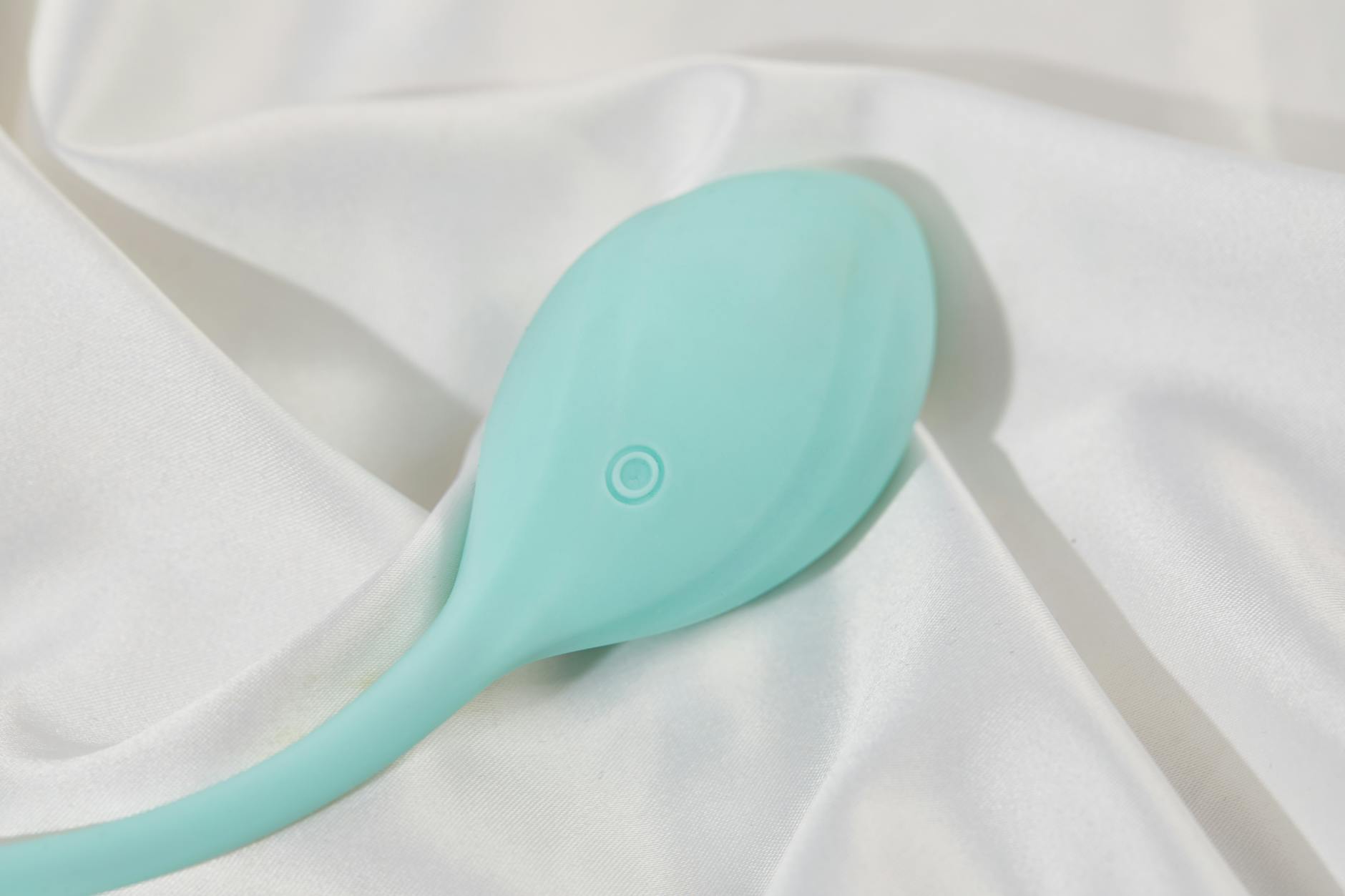
Lemon clitoral vibrators and similar suction-based toys use a completely different mechanism. Instead of friction, they create a rhythmic pressure change around the clitoris. This stimulates the entire nerve cluster rather than just the surface. For people on medication, this matters because the suction pattern works with the nervous system's current sensitivity level instead of fighting against it.
I've had clients report that moving to suction-based stimulation, like a lemon vibrator, actually restored their ability to feel pleasure with less escalation. The sensation is different. It's fuller somehow. Less about achieving a single intense moment and more about sustained engagement.
The neurological side of reconnection
When medication flattens sensation, the brain's pleasure mapping also changes. Your neural pathways for arousal quieten down. They don't disappear. But they become harder to activate. The longer you use a tool that requires massive intensity to trigger, the more those pathways atrophy.
Lemon suction toys seem to reverse this because they don't ask for intensity. They ask for attention. The rhythm, the pressure changes, the way the sensation feels distinct and patterned. This engages the brain in a different way. You're not chasing a peak. You're learning a new landscape.
Over weeks of consistent use, clients report that sensation starts to come back. Not the pre-medication sensation, necessarily. But something richer than the flatness they were experiencing. This is real neuroplasticity. Repeated stimulation strengthens neural pathways. If you're using a tool that works with your current baseline, you're strengthening the pleasure pathways you have now, not destroying them trying to recreate the ones you used to have.
Practical adjustments that help
Three things I recommend to people on psychiatric medication exploring sensation again.
First, start with lower suction intensity. If you're used to vibration, you might assume you need maximum settings. You don't. A lemon vibrator on setting 1 or 2 is often enough. The clitoris is exquisitely sensitive. Numbness makes it feel like it isn't, but that's an illusion created by low baseline arousal.
Second, build arousal time into the process. Medication slows down the genital response. Most people need 20-30 minutes of general foreplay or external stimulation before they're ready for direct clitoral work. This isn't a setback. It's just how this version of your body works now. The pleasure at the end is still real.
Third, separate pleasure from performance. If you're on medication, you might have slow or inconsistent orgasms. That's common. What matters is whether the experience itself feels good. Sometimes the goal becomes not "reach orgasm" but "spend 15 minutes feeling my own body." That shift changes everything. When you're not chasing an outcome, sensation returns faster.
The conversation with your prescriber
If the numbness is severe, mention it to your psychiatrist or GP. There are sometimes med adjustments that help. Changing the dose, switching to a different class of antidepressant, or adding something like bupropion to counteract sexual side effects. These aren't uncommon conversations.
What's important: you don't have to choose between stability and pleasure. Sometimes an adjustment is possible. Sometimes it isn't, and you work with what you have. Either way, the fact that you're noticing the flatness and trying to reconnect with sensation is already a huge step.
When partnered exploration helps
If you have a partner, they can become part of recalibrating your sensitivity. Not in a performative way, but in a genuinely exploratory one. A partner can help you notice subtle sensations you might miss alone. They can vary rhythm and pressure while you're using a lemon clitoral vibrator. They can create novelty, which sometimes helps sensation break through numbness.
The key is approaching this without shame or performance pressure. "I'm noticing my body responds differently on this medication, and I want to explore what actually feels good now" is a conversation that opens things. "Something's broken" closes them.
The timeline for reconnection
Don't expect sensation to return overnight. Neuroplasticity takes time. Most of my clients report noticeable shifts in sensation after 3-4 weeks of consistent exploration. By 8-12 weeks, the changes are often substantial. You're not trying to get back to where you were. You're building something new that works with your current neurobiology.
The fact that lemon vibrators and similar tools exist matters because they let you work with your nervous system instead of against it. You're not forcing intensity. You're inviting sensation back in a way that matches how your brain is functioning right now.
Medication gives you stability. That's the primary win. Reclaiming pleasure on top of that is possible. It just requires patience, a willingness to explore differently, and the right tools.
People also ask
Do all antidepressants cause sexual numbness?
Not all, but most do to some degree. SSRIs and SNRIs are the most common culprits because they affect serotonin, which modulates arousal. Bupropion and some others affect dopamine instead, so sexual side effects are less common. If you're experiencing significant numbness, it's worth asking your prescriber whether your specific medication is known for sexual side effects and whether alternatives exist.
Can you use a lemon vibrator while on anxiety medication?
Absolutely. There are no drug interactions between vibrators and psychiatric medications. A lemon clitoral vibrator or any suction-based toy is safe to use while taking SSRIs, SNRIs, or most other common antidepressants. In fact, the mechanism of suction-based stimulation seems particularly helpful for people with medication-induced numbness because it doesn't rely on intensity to trigger sensation.
Will my sensation come back if I stop the medication?
Often, yes, but stopping psychiatric medication is a huge decision with serious risks. Don't make it based on sexual function alone. Work with your prescriber on whether discontinuation is safe for your mental health. If you do stop (with medical supervision), sensation typically returns within 2-4 weeks as serotonin levels normalize. But the medication is keeping you stable. That matters more than pleasure does.
How is lemon suction different from a regular vibrator for medication-dulled sensation?
Regular vibrators work through friction and intensity. For people on medication, that often means needing higher and higher settings to feel anything. Lemon clitoral vibrators use suction and pressure variation instead. This approach engages the whole nerve cluster rather than just the surface, and it works more effectively with lower baseline sensitivity. Many people find they need less escalation to feel pleasure.
Should I tell my partner I'm struggling with sensation?
Yes. Keeping it secret creates distance and shame. Your partner isn't a mind reader. If you're less responsive or need more time to warm up, that's information they need. Framing it as "my medication affects my body this way, and here's what actually helps" turns a problem into shared understanding. Most partners appreciate honesty. It opens the door to actual solutions instead of just confusion.
How long does it take to restore sensation with a lemon vibrator?
Most people notice shifts within 3-4 weeks of consistent use. Changes become more substantial by 8-12 weeks. You're not trying to restore old sensation. You're building new neural pathways that work with your current baseline. Consistency matters more than intensity. Using a tool like a lemon vibrator a few times per week makes a bigger difference than occasional intense sessions.
Your medication gives you your life back. Reclaiming pleasure on top of that is possible. It just requires understanding how your body works now and giving it tools that match that reality.