
Here's what actually shifts over years together
Let's be real: the way you and your partner experience pleasure tools changes over time. Not because your bodies stop working, and not because the novelty wears off. Something genuinely different happens in the nervous system when you've been intimate with the same person for a decade.
I've worked with dozens of couples who came in saying something like, "The lemon vibrator settings we used to love now feel kind of aggressive." They thought something was wrong. It wasn't. It was growth.
Why your sensitivity to intensity actually increases
This is counterintuitive, so stick with me. Most people assume that over time, you need more stimulation to feel the same effect. That's sometimes true for solo pleasure. But in partnered sex, the opposite often happens.
Here's the neurological piece: when you've been with someone for years, your anticipation and arousal pathways are different. Your brain recognizes their touch, their rhythm, their presence. That recognition creates a baseline of activation before the lemon vibrator even comes into play. You're already partway to arousal.
Meaning intensity that felt moderate in year two might legitimately feel intense in year ten. Your clitoris isn't less sensitive. Your nervous system is more engaged.
What couples actually report about settings
In my practice, I see a clear pattern. Most long-term couples gravitate toward lower intensity settings over time, but they stay with lemon vibrators because the sensation is qualitatively different from what they used before. The suction pattern on a lem vibrator doesn't feel like other clitoral vibrators, so "turning down the dial" doesn't feel like settling.
They report things like:
- "Patterns 2 and 3 are way more satisfying now than pattern 5 ever was."
- "The lower settings let me actually feel my partner, instead of just feeling the toy."
- "I don't need the vibrator to be aggressive. I need us to be present."
That's not a loss. That's a shift in what your nervous system is actually craving.
The trust factor changes how intensity registers
Newer partners often need more intensity because of what I call "nervous system noise." There's uncertainty. Am I okay with this? Do they know what they're doing? Is this safe? That internal chatter takes up bandwidth.
After years together, that noise quiets. You know you're safe. You know your partner's hands, your partner's pace, your partner's attention. That safety creates space for subtlety. Your clitoris can relax into stimulation instead of bracing against it.
Same lemon vibrator. Dramatically different experience.
Communication shifts alongside intensity preferences
In new relationships, couples often use lemon vibrators as a "thing to do." It's exciting, it's novel, it's something to try. By year five or ten, it becomes part of a larger conversation about pleasure, vulnerability, and what makes you both feel good.
That's when couples start experimenting downward. Not because intensity stopped working, but because they realized they could talk about what they actually wanted.
I recommend checking in about this explicitly. Not "Do you want to turn it down?" but "What does your body want right now?" because sometimes the answer isn't about intensity. Sometimes it's about timing, positioning, or whether you want to use it at all.
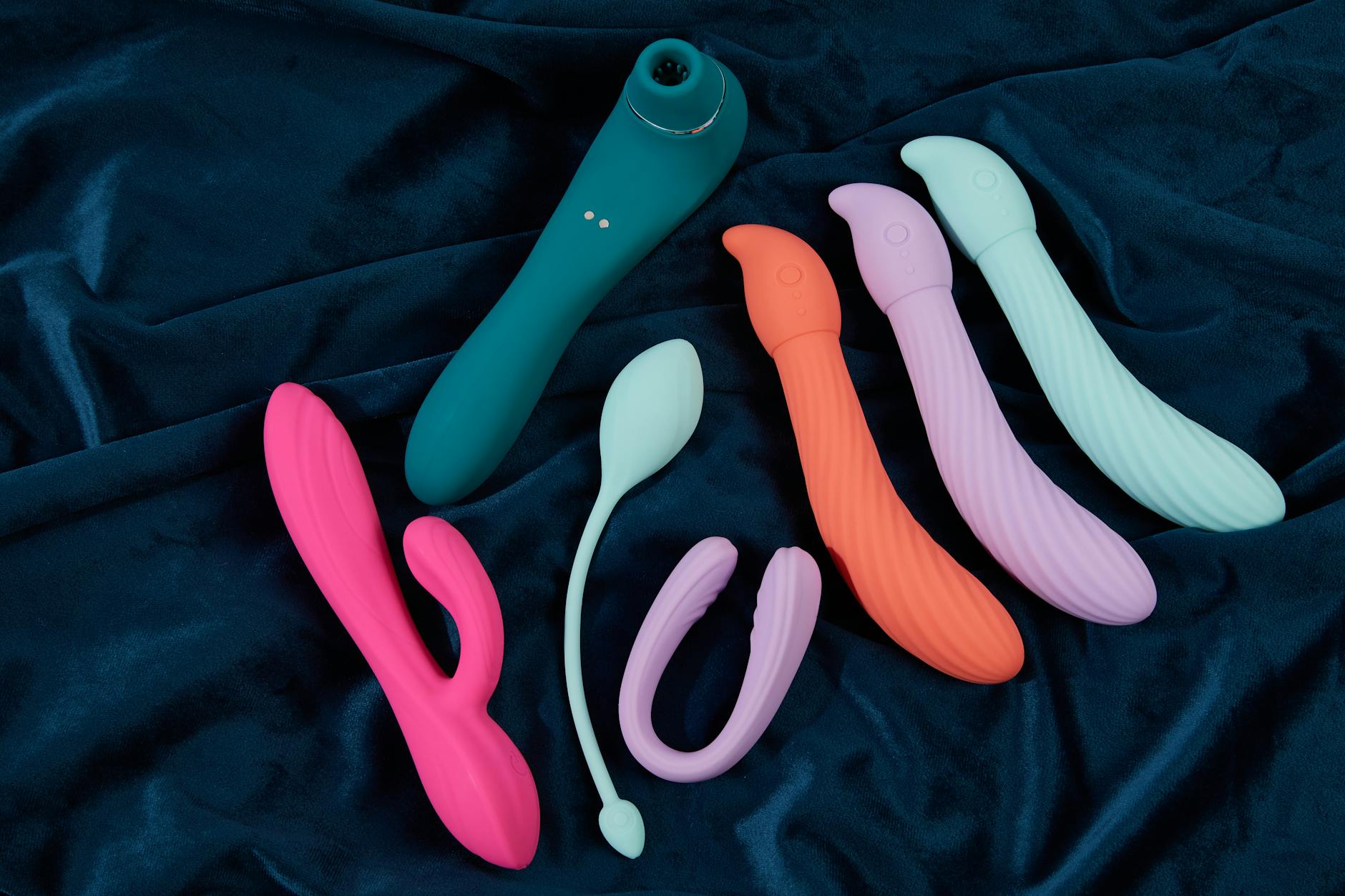
Photo by IFONNX Toys on Pexels
The myth of desensitization versus what's actually happening
Lots of couples worry they're "getting used to" their lemon clitoral vibrator and that's why it feels different. They think they need to dial up intensity to compensate. Most of the time, that's not what's happening.
Desensitization is real, but it's rare in partnered sex when you're using toys intermittently. What's actually happening is your relationship's texture is changing. The stimulation itself doesn't need to be more intense. Your desire for connection might need to be more intentional.
If you're genuinely noticing that nothing feels good anymore, that's a different question worth exploring with a professional. But "intensity preferences shifted" is just your nervous system talking.
How to navigate intensity changes as a couple
Three concrete things that help:
1. Use lower settings as a conversation starter, not a problem. If your partner usually goes for pattern 5 and suddenly wants pattern 2, don't assume they're bored. Ask them what they're feeling. Often they'll say something like, "I just want to feel you more," which is useful information about what they're craving emotionally.
2. Experiment with pattern timing. Instead of maxing out intensity, try varying the pattern. A lem vibrator has multiple suction rhythms. Switching between them mid-session often feels more interesting than just turning up the power. You're varying sensation, not escalating it.
3. Pay attention to when intensity actually matters. Some people genuinely want higher settings when they're distracted or stressed. That's different from chronic "it's not working anymore" feelings. If lower intensity feels better most of the time but occasionally you want more, that's information. Not a crisis.
The role of overall stress and nervous system state
I'd be remiss not to mention this: how intensity feels also depends entirely on whether you're in a calm or activated state. A couple dealing with a major stressor (new job, kid moving home, grief) might find that the same lemon vibrator intensity feels overwhelming. That's not about the relationship or the toy. That's about nervous system load.
Before assuming your intensity needs have changed long-term, ask: What's actually happening in our lives right now? Sometimes you temporarily want less sensation because you're running a stress marathon. That's normal and temporary.
When to actually consider a different tool
If your needs have shifted significantly and lower settings don't feel right anymore, it might be worth exploring a different toy altogether. A lem vibrator is built for a particular kind of suction stimulation. Some couples find that other lemon adult toys in Hello Nancy's collection offer a different sensation profile that matches where they are now.
That's not a sign of failure. It's just your bodies telling you what they need.
The real shift: presence over power
Honestly though, what I see most often in long-term couples is that intensity becomes less important than presence. You want the lemon vibrator in the room less because it's dramatic and more because it's part of how you two connect. The settings matter less. The attention matters more.
That's not a downgrade. It's the whole point.
People also ask
Does using a lemon vibrator together strengthen emotional intimacy in long-term relationships?
Yes, when communication is there. Using a lemon clitoral vibrator as a couple requires vulnerability and conversation. "What feels good? What do you want?" Those are intimacy questions dressed up as pleasure questions. Over years, that practice builds trust. If you're struggling to have those conversations, the toy won't fix that. But if you're already connected, the toy deepens it.
Can a lem vibrator help if physical attraction has faded in a long-term relationship?
A lemon vibrator can't create attraction that isn't there, but it can create space for rediscovery. Sometimes couples avoid pleasure tools because the relationship feels stuck. Using one together can feel like permission to be playful again. That playfulness sometimes reignites interest. But if the underlying relationship needs attention, the toy is a tool, not a therapist.
Why do some couples want more lemon vibrator intensity after years together and others want less?
It depends on nervous system state, life stress, relationship dynamics, and individual physiology. Some people's bodies do need more stimulation over time. Others find that reduced stress and increased safety make less intensity feel more pleasurable. There's no universal timeline. What matters is checking in with your own body and your partner regularly.
Is it normal to want different lemon adult toys at different stages of a long-term relationship?
Completely normal. Your bodies change, your preferences evolve, and your relationship's texture shifts. You might want more intensity in one phase, more subtlety in another. That's not infidelity or boredom. That's just being human. Exploring different tools together can actually strengthen connection because you're saying, "I want to keep discovering this with you."
How often should long-term couples use a lemon clitoral vibrator together?
There's no "should." Some couples use one several times a week. Others use one monthly. The frequency that works depends on your schedules, your desire, and what feels sustainable. The trap is thinking you need to maintain the same rhythm forever. Some seasons of a relationship call for more intentional pleasure practice. Others don't. That's all fine.
What if my partner and I want different intensity settings on a lemon vibrator?
Then you have two options: take turns with your preferences (use their settings sometimes, yours others), or get two toys. Honestly, many couples find that having their own lemon vibrator, used solo or together in different moments, takes pressure off the shared experience. You're not negotiating settings. You're just each choosing what feels good.
The bottom line
Your lemon vibrator doesn't feel different because something's broken. It feels different because you're different together. That's exactly how it's supposed to work. Years of intimacy aren't supposed to require more intensity. They're supposed to require more presence. If you're noticing shifts in what intensity feels good, that's your nervous system telling you something important. Listen to it. And maybe ask your partner what they're hearing in theirs too.
If you want to explore how to deepen this conversation in your relationship, reach out to us—we're here to help.