
Let's be real: life upends sex first
You changed jobs, moved cities, had a kid, ended a relationship, started therapy, or survived a year that broke you sideways. Sex was the first thing to disappear. Not because you stopped loving your partner or stopped caring about pleasure. Because your nervous system had other priorities.
The brain cannot simultaneously manage existential stress and orgasm. That's not a character flaw. That's biology.
Why major transitions tank desire
When your life reorganizes, several things happen at once. First, your cortisol (stress hormone) spikes and stays elevated. High cortisol suppresses dopamine and testosterone, the chemical prerequisites for wanting anything sexual. Second, your cognitive load balloons. Your brain is running seventeen background processes just to manage the logistics of the transition. There's no bandwidth left for pleasure.
Third, and this is the invisible one: you've lost the psychological container that made sex feel safe or natural. You're living in someone's spare room after a breakup. You're adjusting to a new dynamic with your partner. You're grieving. The body doesn't file desire during grief.
Most people wait for desire to come back on its own. They don't. Desire after a major life change is not something you passively wait for. It's something you have to actively rebuild.
The gap between knowing and feeling
Here's where most advice fails you. A therapist might say, "Take time for self-care and reconnect with your body." A partner might say, "Just relax, it'll come back." Neither of those statements is wrong, but they're also not instructions. They're abstractions.
Your clitoris doesn't care about relaxation philosophy. Your nervous system doesn't resolve trauma because you took a bubble bath.
What actually works is re-establishing a direct, uncomplicated channel between your body and pleasure. No performance pressure. No partner expectations. No goal of orgasm or "fixing" anything. Just consistent, gentle sensation that tells your nervous system: we are safe now. Pleasure is still available to you.
This is where lemon clitoral vibrators, and specifically the air-suction technology that defines devices like the Lem, become genuinely useful. Not because they're magic. Because they're consistent, because they work on sensation patterns your body can learn to trust again, and because using one is an act of reclamation.
How air-suction works after emotional disruption
Most vibrators rely on direct vibration. They buzz. Lemon clitoral vibrators and their air-suction cousins work differently. They create a gentle pressure pattern that stimulates nerve endings without the intensity of traditional vibration.
Why does this matter after a major life change? Because your nervous system is already in overdrive. It's defensive. High-intensity stimulation can feel invasive rather than pleasurable when you're in that state. Air-suction lemon vibrators meet your nervous system where it actually is: cautious, depleted, and needing something gentler to rebuild trust with pleasure.
Start on the lowest setting. Many people in recovery mode find that pattern one or two on a lemon clitoral vibrator is more welcoming than the same device on maximum. There's no race to intensity.
The ritual part matters as much as the sensation
Using a lemon vibrator or any clitoral vibrator intentionally after a life disruption is not the same as spontaneous sex. It's scheduled, ritualized, and entirely for you.
Set aside 20 minutes. Lock the door. Create even minimal privacy and certainty that you won't be interrupted. This isn't luxury. This is a signal to your nervous system that your pleasure is a priority, that it's protected, and that you're safe enough to let your guard down.
Many people find that this ritual itself is healing before the device ever powers on. The act of saying "my pleasure matters enough to protect and schedule" rewires something in the brain that major life changes often damage.
Use lube. Even if you don't think you need it, use it anyway. It's not about physical need. It's about signaling care. Water-based lube works beautifully with lemon clitoral vibrators and silicone toys. The glide makes everything feel more sensual, less mechanical.
When to involve a partner (and when not to)
If you're in a relationship, resist the urge to immediately turn this into a couples activity. Use a lemon vibrator alone first. Rebuild your own baseline of pleasure before introducing another person's presence, expectations, or arousal into the equation.
Once you've reestablished that your body can feel good independently, then you can explore whether your partner wants to be involved. Some people find that their partner's presence during this process is healing. Others need solo practice first. Both are fine.
If you do eventually share this with a partner, the conversation is crucial. Explain that this is about you rebuilding your own capacity for pleasure, not about anything missing from the relationship. This keeps the conversation from becoming "I need you to be better at sex" when the actual issue is "my nervous system shut down and I'm relearning how to feel safe with sensation."
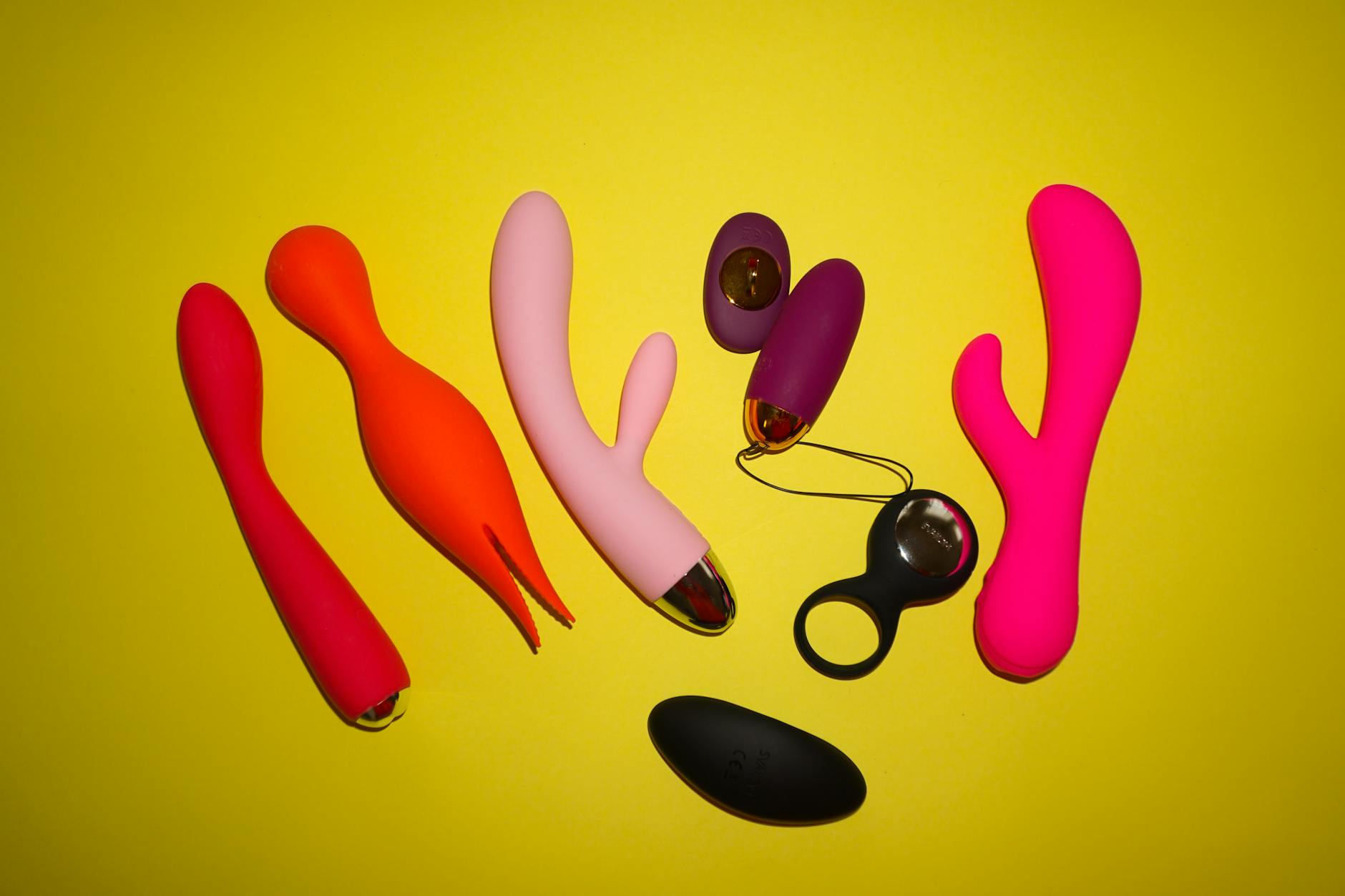
Photo by FounderTips on Pexels
Timing matters: patience with rebuilding
Your nervous system doesn't rebuild on a schedule. Some people notice shifts in desire within two weeks of reintroducing regular pleasure. Others take two months. Both are normal.
The temptation is to measure progress by orgasm. Did I come? How strong was it? Is it the same as before? This defeats the entire purpose. The goal right now is sensation and safety, not performance.
Many people report that the first few sessions with a lemon vibrator after a major disruption feel... fine. Nice. Not earth-shattering. That's exactly right. You're not chasing peaks. You're establishing a foundation. Peaks return once the foundation is solid.
One small note: if you're experiencing numbness or complete absence of sensation after several weeks of consistent use, that's worth checking in with. Lemon vibrator desensitization can happen, and it's also worth understanding when to build in rest days. Your nervous system rebuilds during recovery, not just during stimulation.
The psychological shift is the real work
Here's what a lemon clitoral vibrator actually does: it removes friction from the act of pursuing pleasure. You don't have to negotiate with a partner. You don't have to worry about performance or reciprocation. You don't have to explain why you're not in the mood. You can just... be in your body, alone, tending to yourself.
That's the radical part. Not the technology. The permission.
Major life changes often come with a narrative that you need to put yourself on pause. Prioritize the crisis. Delay pleasure until things stabilize. But things rarely stabilize on their own timeline. And in the meantime, you're teaching your brain that pleasure is the thing you sacrifice when life gets hard.
Using a lemon vibrator intentionally says the opposite. It says: my body deserves attention even while things are chaotic. Especially while things are chaotic. This is how I remember that I'm allowed to feel good.
When to seek support beyond self-pleasure
If you're working through trauma, significant grief, or relationship rupture, a therapist trained in somatic work (body-focused therapy) is worth exploring. They can help you understand what your nervous system is protecting you from and how to safely rebuild.
If you're in a relationship and desire hasn't returned after several months of individual work, a couples therapist or sex therapist can help you both understand what's happening. Low libido after life disruption is rarely about attraction. It's almost always about nervous system safety or unprocessed emotions.
Lemon clitoral vibrators and other tools are part of reclaiming pleasure. They're not a substitute for the deeper work of rebuilding trust in your own body.
FAQ
Can a lemon vibrator actually bring back lost desire?
A lemon clitoral vibrator can help rebuild your nervous system's capacity for pleasure, but it doesn't create desire from nothing. What it does is remove friction. By offering consistent, gentle stimulation in a low-pressure environment, it tells your body that sensation and pleasure are safe again. From there, desire often follows.
How long should I wait after a major life change before using a lemon vibrator?
There's no waiting period. If you're grieving, transitioning, stressed, or rebuilding after disruption, that's actually when using a lemon vibrator most helps. It's a signal to your nervous system that pleasure and safety are still available. Start gently and let your body guide the pace.
Should I use a lemon vibrator with my partner present or alone?
Start alone. Rebuild your own baseline of pleasure without another person's presence or expectations. Once you've reestablished that sensation feels safe and good in your body, you can explore whether involving a partner feels right. Many people find solo use is enough for nervous system recovery.
What if I don't feel anything the first few times I use a lemon vibrator?
This is common after stress or emotional disruption. Your nervous system is cautious. Try starting with the lowest setting, use plenty of lube, and give yourself permission for it to feel subtle rather than intense. Sensation often builds over several sessions as your body learns to trust the experience.
Is low libido after life changes permanent?
No. It's a protective response from your nervous system that can be rebuilt. With time, support, and intentional pleasure practice, desire typically returns. The timeline varies, but you're not broken. You're recovering.
Can I use a lemon clitoral vibrator while also seeing a therapist?
Absolutely. In fact, many therapists recommend it as part of nervous system regulation. Self-pleasure with tools like lemon vibrators is a form of self-care that complements therapy. They work together, not against each other.
Rebuilding pleasure is rebuilding yourself
After a major life change, your relationship with your own body often breaks first. The sexual shutdown is a symptom, not the problem. The problem is that your nervous system no longer feels safe enough to pursue pleasure.
Using a lemon clitoral vibrator intentionally and consistently is one way to tell that nervous system: I'm still here. I still deserve to feel good. Pleasure isn't suspended until things improve. It's part of how I improve.
Start small. Be patient. Lube generously. Give yourself permission for it to feel subtle at first. Your body will remember what it needs. Sometimes it just needs consistent permission and a little help from tools designed to make sensation safe again.