
The Elephant in the Bedroom
Let's be real. After a relationship fractures, even if you've decided to stay, touch stops feeling like touch. It becomes archaeology. You're both aware of what happened, what was said, what wasn't said. Your body knows.
That's not in your head. The nervous system doesn't separate "we're trying to work through this" from "something broke here." Physical intimacy after betrayal, separation, or major rupture requires rewiring on a neurological level, not just an emotional one. And here's where lemon vibrators and lemon sexual toys change the equation in ways traditional intimacy rarely does.
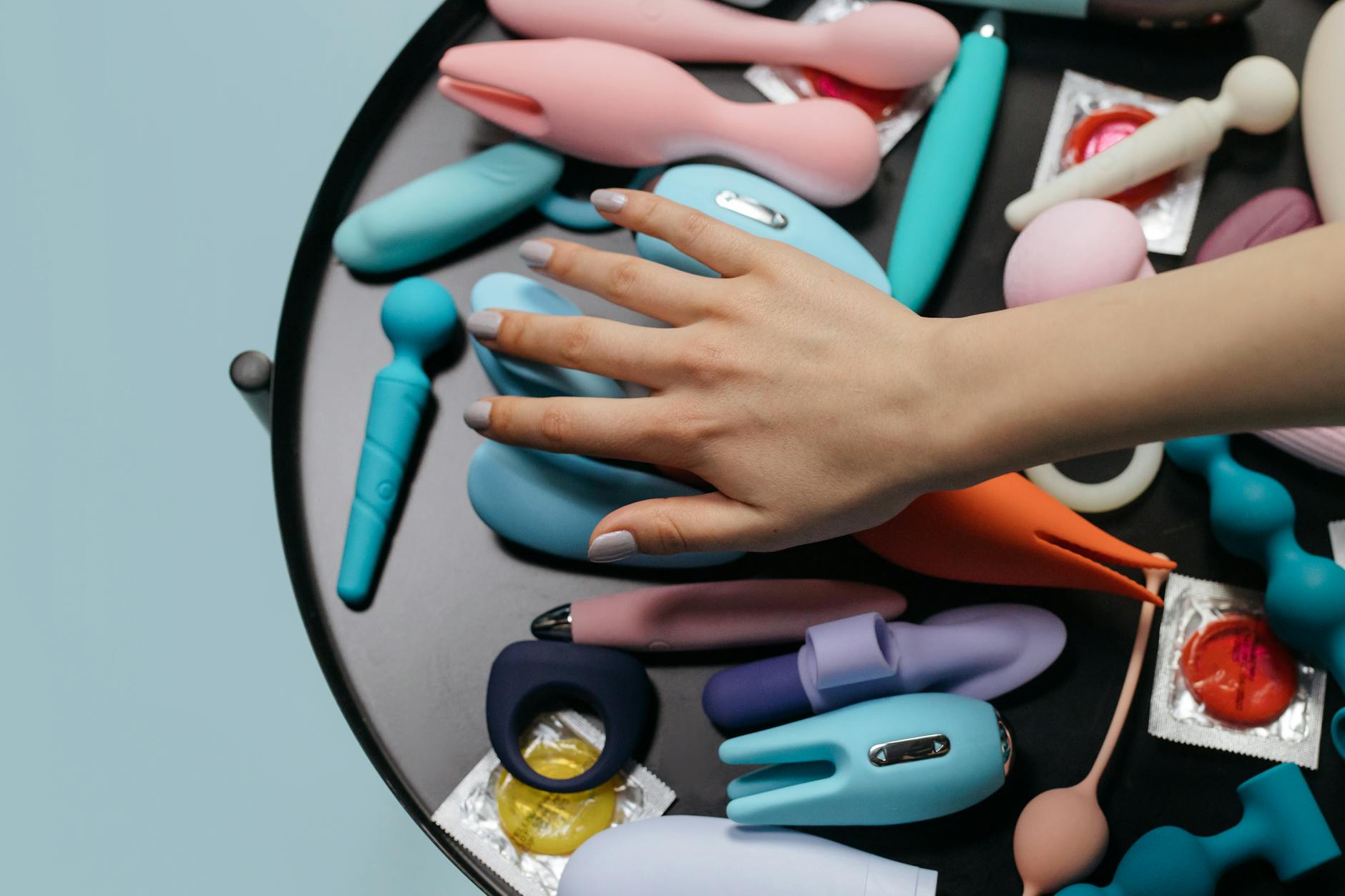
Photo by cottonbro studio on Pexels
Why Sensation Feels Dangerous After Conflict
When trust is damaged in a relationship, your body's threat detection system goes into overdrive. The vagus nerve, which governs rest-and-digest responses, stays partially activated in sympathetic (fight-or-flight) mode. This isn't a metaphor. Brain imaging shows measurable changes in how people process touch after relational trauma.
So when your partner reaches for you, even with the best intentions, your nervous system reads it as potentially unsafe. Arousal requires the parasympathetic nervous system to be online. If you're still partly in threat mode, arousal becomes almost impossible, or it feels hollow. You might orgasm but not feel it. You might freeze. You might feel guilty for not feeling.
This is not a sign the relationship is doomed. It's your body being appropriately cautious.
What Lemon Vibrators Do Differently
Here's the clinical insight that matters: lemon clitoral vibrators, particularly air-suction devices like the Lem, create pleasure that doesn't require vulnerability in the same way partnered sex does.
When you're holding the toy, you're in control. You set the pace, the intensity, the moment. Your partner isn't inside that experience with their own agenda or their own nervous system's activation. This is not about shutting them out. It's about creating a sandbox where your body can practice pleasure again, safely.
The suction mechanism of the lemon sucker also bypasses a lot of what makes touch feel dangerous post-conflict. It's not another person's fingers or body. It's directed, contained, and entirely your tempo. Your nervous system can gradually downregulate knowing you have the off switch.
Many couples I work with find that introducing a lemon vibrator into their reconnection actually accelerates trust repair. The person who caused harm gets to witness their partner experiencing pleasure again, which shifts something fundamental in the relational dynamic. Pleasure becomes less about "fixing what broke" and more about "we can still generate good feelings together, even if our history is messy."
The Stages of Relearning Touch
There's a predictable arc I see in couples therapy when rebuilding intimacy after rupture. Recognizing where you are makes a difference.
Stage One: Parallel Pleasure. Your partner is in the room. You're using a lemon clitoral vibrator. They're not inside the experience, just present. This is the minimum viable trust. Your nervous system learns that pleasure and safety can coexist in shared space.
Stage Two: Witnessed Pleasure. You move into a position where your partner can see you, watch your face, notice what makes you respond. This requires more exposure, but it gives them a job beyond penetration or stimulation. They're observers of your joy. That's a different kind of intimacy than we usually discuss.
Stage Three: Collaborative Rhythm. Here, your partner might use the lemon vibrator on you while you both stay attuned to your breathing, your responses. The toy becomes a bridge rather than a barrier. Your partner isn't navigating their own sensation alongside yours. They're focused entirely on you.
Each stage can take weeks or months. There's no rushing this. The point is that lemon sexual toys allow you to move through these stages without the pressure to perform penetrative sex before your nervous system is ready.
What Changes in Your Body
When you use a lemon vibrator during this reconnection phase, a few things happen neurologically.
First, oxytocin and dopamine start flowing again. You're building new associations between pleasure and safety. Your brain begins to decouple pleasure from guilt or fear. This is powerful because it means you're not just forgiving your partner intellectually. Your body is building fresh neural pathways.
Second, the suction mechanism of devices like the Lem creates a sustained, consistent stimulation that doesn't require your partner to "perform" attraction or sexual skill. If there's residual resentment about sexual inadequacy or mismatched desire, that dynamic gets sidelined. The toy does its job. Your pleasure isn't contingent on your partner's technique or attention.
Third, you're likely to experience longer, more intense orgasms than you might through partnered touch alone. This isn't because lemon clitoral vibrators are inherently superior. It's because you're not managing multiple nervous systems simultaneously. You're not monitoring your partner's pleasure or worry about your own performance. Your brain can focus entirely on sensation.
That shift in orgasm quality often surprises couples. It changes something in how the person being stimulated values their own pleasure.
The Communication Layer
Here's where intention matters. If you and your partner decide to introduce a lemon vibrator or lemon adult toy into reconnection, you need a conversation that happens outside the bedroom, ideally not during sex.
The conversation isn't "I want to use this because you're not good enough." It's "I want us to build pleasure back together, and I need my nervous system to feel safe. This helps with that."
Your partner might feel strange initially. That's normal. They might worry it means you don't want them. Address that directly. Explain that you're rewiring your body's ability to trust. The toy is scaffolding, not a replacement.
Some partners find watching their significant other use a lemon sucker genuinely hot. Others need time to adjust. Both responses are okay. But if your partner refuses to engage with this at all, or shames you for wanting it, that's information. Shame is a pretty reliable sign that deeper work is needed before physical reconnection happens.
When to Bring a Professional In
If you've tried introducing sensation play with a lemon vibrator and it still feels flat or anxiety-inducing, consider a sex therapist or couples counselor. Some ruptures are too significant for home remedies.
If your partner had an affair, for instance, there's often a layer of comparison anxiety that no toy can dissolve alone. You might need help processing that.
If the breakup involved abuse, emotional or physical, lemon vibrators are a tool for healing, but they're not therapy. You deserve proper support.
But for couples navigating garden-variety conflict, infidelity that both parties want to recover from, or a relationship restart after a long separation, reintroducing sensation safely with tools like the Lem can genuinely accelerate intimacy repair.
The Reframe That Matters
Here's what I tell couples: pleasure is not a measure of relationship health. It's not something you've either got or you don't. It's a skill you rebuild. And rebuilding pleasure after conflict is actually an opportunity to build it better than before, because now you're doing it consciously.
When you use a lemon vibrator during this phase, you're not sidestepping your relationship work. You're honoring your nervous system while you do it. You're saying that pleasure matters, that your body's safety matters, and that you're willing to rewire.
Your partner gets to witness that. And that witnessing, that presence, is often where real reconnection begins.
Frequently Asked Questions
Can using a toy during couples' reconnection make my partner feel inadequate?
Yes, potentially. But "feel" and "truth" are different things. Your partner's inadequacy isn't the issue. Unprocessed shame often is. If you approach it as collaborative rewiring rather than a referendum on their sexual skill, you're already building the frame that helps. Some partners actually feel less pressure when the toy takes on the stimulation work. What matters is the conversation before, during, and after.
How do I explain to my partner why I want to use a lemon clitoral vibrator after trust was broken?
Be specific and nervous-system focused, not performance focused. Say something like: "My body is still in protection mode. Using this toy in your presence helps me practice feeling safe and pleasured at the same time. I want to rebuild this with you, and this is what my body needs to get there." That's vulnerable. It's not an accusation.
Does using a lemon sucker during reconnection mean I don't want my partner anymore?
Not even close. It means you want to rebuild want. There's a difference. Your nervous system has to relearn that your partner equals pleasure, not threat. The toy is bridge scaffolding. Once your body trusts again, partnered sex often comes back naturally, and it's often better.
What if my partner wants to use the lemon vibrator on me but I'm not ready for that kind of touch?
Then they wait. You stay in witnessed pleasure or parallel pleasure territory. If your partner can't respect your pacing around touch after a rupture, that's a sign the real issue isn't the toy. It's about control and boundaries. Don't rush this to make them feel better.
How long does it usually take for touch to feel safe again after a relationship break?
It varies wildly. Sometimes weeks, sometimes months, sometimes a year or more. There's no timeline. What matters is that you're moving. Using lemon sexual toys as part of that movement often speeds things up because you're creating positive sensation in a contained, controllable space. That neural rewiring is the foundation everything else builds on.
Should we use lemon adult toys if we're considering divorce anyway?
Depends on your goal. If you're deciding whether to stay, rebuilding physical intimacy might give you useful information about whether reconnection is possible. If you've already decided to separate, skip it. Pleasure shouldn't be part of a test drive. It either matters to both of you or it doesn't.
What Comes Next
Reconnecting after a relationship breaks isn't linear. Some days your body will feel open. Other days old fear will resurface. That's normal. Tools like lemon vibrators and lemon clitoral vibrators give you a way to practice pleasure on your terms while you're doing the deeper relational work.
The toy doesn't fix the trust. But it does create a neurological space where trust can start to rebuild. That's often enough to change everything.
If you and your partner are navigating reconnection and want guidance on how to approach it, reach out to our team. We work with couples regularly on rebuilding intimacy after rupture. You're not alone in this.