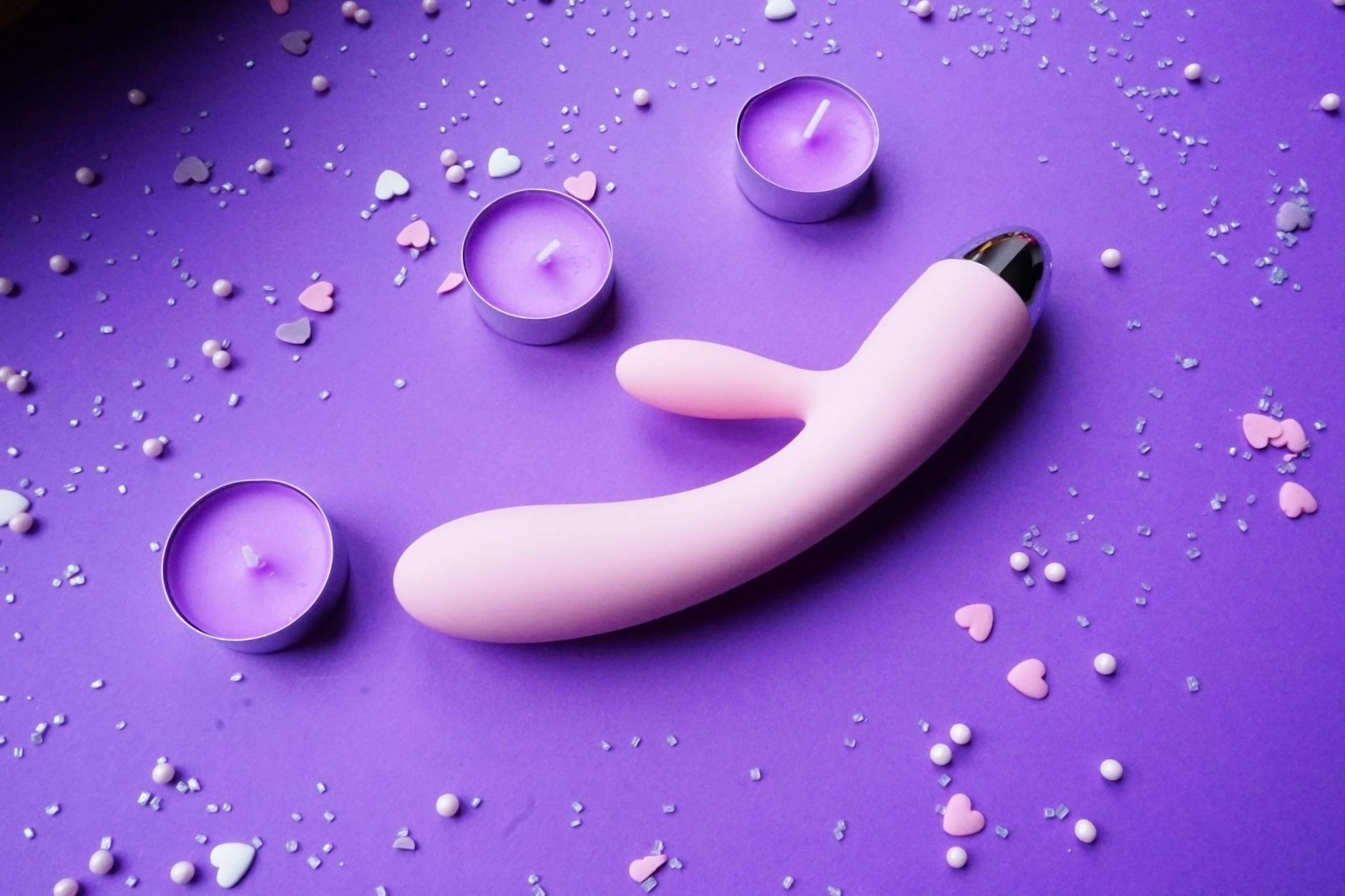
When your favorite toy starts showing its age
Let's be real. A lemon vibrator isn't a lifetime purchase like a good vibrator should be. But with the right care, you can stretch its lifespan years longer than most people assume. And knowing when to actually retire it saves you from frustration, reduced sensation, and potential safety issues.
I'm going to walk you through the exact signs that your lemon clitoral vibrator is wearing down, what you can do to slow that process, and the specific timeline you should expect. This matters because pleasure devices deserve respect, and upgrading at the right moment beats white-knuckling an aging device into oblivion.
The typical lifespan of a lemon vibrator
A quality lemon clitoral vibrator from Hello Nancy lasts between 3-7 years with normal use. That's not a promise; it's a realistic range based on use frequency, storage habits, and how aggressively you use the patterns. Someone using their device 2-3 times a week with gentle patterns gets closer to 7 years. Someone using it daily at high intensity might see decline around the 3-year mark.
The battery is usually the first thing to go. Rechargeable lithium-ion cells degrade over time, and after 500-1000 charge cycles, you'll notice the vibrator doesn't hold power as long. Then the motor itself begins to lose intensity. The patterns might still work, but they'll feel softer, less responsive. Finally, seal integrity can break down, making the device less waterproof.
Here's what most people miss: replacement doesn't happen overnight. It creeps in gradually, and you might not notice until you're frustrated mid-use.
The early warning signs (years 1-3)
In the first few years, problems are usually subtle. The device still works beautifully; it's just starting to whisper that decline is coming.
Charge duration shifts. You used to get 3-4 weeks per charge. Now it's 2-3 weeks. This creeps up on you because it happens slowly. Track it: charge the device, note the date, and see how many uses you get before it dies. If that number drops noticeably, the battery is aging.
Pattern responsiveness feels slower. The Lem usually ramps from low to high intensity smoothly and immediately. If you press the button and there's a slight lag, or if the sensation doesn't feel as crisp, the motor is beginning to fatigue.
Unusual vibration patterns. Glitches are rare in Hello Nancy devices, but sometimes an older motor will stutter on certain patterns or produce irregular pulses. That's a sign the electronics are beginning to fail.
Tiny cracks or cloudiness in silicone. High-quality silicone doesn't degrade fast, but if you've left your device in direct sunlight or extreme heat repeatedly, the material can become slightly cloudy or develop fine stress cracks. This doesn't mean it's unsafe immediately, but it signals you should start thinking about replacement.
The critical signs (year 3-5)
When these appear, your device is definitely aging. You have time to plan a replacement, but don't ignore these warnings.
Battery dies during use. The device powers off mid-session, even though it was fully charged. This is your clearest battery failure signal. You can try recalibrating (some devices respond to a full discharge and recharge), but usually this means the battery chemistry has degraded beyond recovery.
Motor sounds different. A healthy motor hums smoothly. An aging motor whines, buzzes in odd frequencies, or sounds rougher. This is the electromagnet inside losing efficiency.
Patterns skip or malfunction. You press the button for pattern 3 and get pattern 5 instead. Or one pattern stops working entirely while others remain fine. Electrical contacts are corroding, even inside.
Loss of waterproofing. If water gets inside the device after normal use, the seal has failed. This is a safety issue now because moisture and electronics don't coexist. This device should be retired immediately.
Reduced sensation even at highest settings. You've increased the intensity but it doesn't feel like it used to. The motor simply isn't delivering the same force anymore. For a clitoral vibrator, this is a quality-of-life issue that usually triggers replacement.
The reasons devices decline faster (and how to prevent it)
Not all devices age at the same speed. Your habits matter hugely.
Heat and sunlight exposure. Lithium batteries hate heat. Leaving your lemon vibrator on a sunny windowsill or in a hot car degrades the battery dramatically faster. Store it in a cool, dark place. Room temperature is ideal.
Improper charging. Leaving the device plugged in constantly after it's full actually stresses the battery. Charge it fully, then unplug it. Avoid letting it completely die repeatedly; recharge when it drops to 20-30% power.
Moisture exposure. Even though quality devices are waterproof, sitting in a humid bathroom or wet toy bag invites corrosion. Dry your device thoroughly after cleaning and store it in a dry environment.
Aggressive pattern cycling. If you're constantly jumping from pattern to pattern or using the highest intensity settings every session, you're working the motor harder. It will decline faster. Varying your patterns and intensity extends lifespan. Think of it like cardio. Sprints every day wear you out faster than mixed intensity.
Dropped or physically stressed devices. Internal components are fragile. A fall onto hard flooring can crack the circuit board or displace the motor. Be gentle with your device.
Incompatible charging. Always use the original charger or a certified replacement. Off-brand chargers can deliver incorrect voltage and fry the battery or electronics.
How to extend the life of your lemon clitoral vibrator
These habits genuinely add years to your device.
Store it properly. A soft pouch in a cool, dark drawer beats a bathroom drawer or bedside table exposed to temperature swings. Hello Nancy devices come in beautiful packaging that works perfectly for storage.
Clean it thoughtfully. You're already cleaning your vibrator regularly (I hope), but use only water and mild soap. Skip harsh cleaners and never submerge for extended periods, even though the device is waterproof. A quick rinse and wipe-down is all you need. Dry it immediately after.
Charge it mindfully. Once a month, let the battery fully discharge, then charge to 100%. This recalibrates the battery chemistry and keeps it accurate. Otherwise, charge whenever it drops to 20-30% power. Never leave it plugged in overnight.
Rotate your patterns. Using the same high-intensity pattern constantly taxes the motor. Mix it up. Vary intensity. This distributes stress and keeps the motor fresher longer.
Keep it away from water except during cleaning. Despite waterproofing, prolonged exposure to water (like a bath or pool) invites eventual seal failure. Use it however you want, but don't live with it in water.
Handle it carefully. Your device has delicate electronics inside. Dropping it or banging it against hard surfaces damages components you can't see. Treat it like you'd treat a phone.
When replacement becomes urgent
Some signs mean you need a new device right now, not eventually.
Water has gotten inside. The interior is wet or there's visible moisture under the silicone. Stop using it. Moisture plus electronics equals short circuits, which can cause burns or shocks. This is a safety issue.
The battery no longer holds any charge. You've tried recalibrating; it still dies immediately. This device is unusable now.
A pattern delivers no vibration at all, and it's the pattern you rely on. Some patterns can be lost to electrical failure. If your go-to pattern stops working, the device is partially broken. Replacement is practical.
The device feels structurally compromised. If silicone is cracking beyond tiny stress marks, or if parts are separating, the device is declining fast. Replacement soon is smart.
You're considering buying a second device because this one isn't reliable. That's your cue. When you're about to add to your collection because the main one is unreliable, it's time to retire the old one and refresh.
The upgrade question
When your lemon vibrator is aging, should you replace it with an identical model or explore something different? That depends on whether you actually love your current device or have just become habituated to it.
If your Lem is perfect and you just want the same thing fresh, replace it with a new Lem. Hello Nancy makes lemon clitoral vibrators in different styles, so you might also explore the Avocado or Berri if you want something with slightly different patterns or intensity curves while staying in the same family.
If you've been thinking about trying something different (a wand, a different suction style, a design that suits your sensitivity better), this is the moment. Your next device should feel exciting, not obligatory. Check out the buying guide to see what might suit your next chapter of pleasure better.
FAQ: Your lemon vibrator lifespan questions
How often should I be replacing my vibrator?
Assuming normal use (3-5 times weekly) and good care, you should replace a quality device every 4-6 years. If you use it daily, plan on 3-4 years. If you use it occasionally (1-2 times weekly), you might stretch it to 7-8 years. These aren't hard rules, just realistic expectations based on motor lifespan and battery degradation.
Can I repair a lemon vibrator instead of replacing it?
Internal repairs aren't practical for most home users because the device is sealed and repairing circuit boards requires expertise. If it's a charging connection issue, sometimes a gentle cleaning of the contact points helps. But motor failure or battery issues require professional repair, which costs nearly as much as a new device. Replacement is usually the smarter choice.
Does frequent use really shorten a vibrator's lifespan?
Yes, but not as dramatically as people assume. Using your device daily versus weekly will shorten its lifespan by about 1-2 years, not by half. Motors and batteries degrade based on actual use hours. Someone using their device 5 times weekly for 20 minutes is putting about 100 hours per year on the motor. Daily users might reach 150-200 hours yearly. The difference matters over time, but it's not catastrophic.
What's the warranty on Hello Nancy lemon vibrators?
Hello Nancy offers a one-year manufacturing warranty against defects. This covers motor failure, battery failure, and seal failure within the first year of normal use. Damage from drops, misuse, or improper care isn't covered. Check Help or FAQs for the full warranty terms and how to claim if needed.
Can I recycle my old vibrator?
The silicone and electronics can be recycled, but most standard recycling programs won't accept them because they contain electronics. Your best bet is to contact Hello Nancy about a recycling program, or research e-waste facilities in your area that accept small electronics. Some specialty recyclers will take them. Never throw a vibrator in regular trash.
Is it safe to use a vibrator after it shows early warning signs?
Early warning signs like slight battery drain or very tiny silicone cracks are usually safe to keep using, though you should plan replacement within a year. Critical signs like water getting inside, loss of motor function, or major structural damage mean you should stop using it. If you're uncertain, contact us with specifics and we can help you decide whether it's still safe to use.
The bottom line
Your lemon vibrator isn't forever, and that's okay. With attentive care, you'll get years of reliable pleasure from it. When it finally starts to show age, you'll know because the signs are real and unmistakable. That's not failure. That's a device that's done its job well, earned its rest, and made space for something new.
When replacement time arrives, reach out if you want guidance on what might suit your next chapter. Your pleasure deserves devices that work as well today as they did the first time.