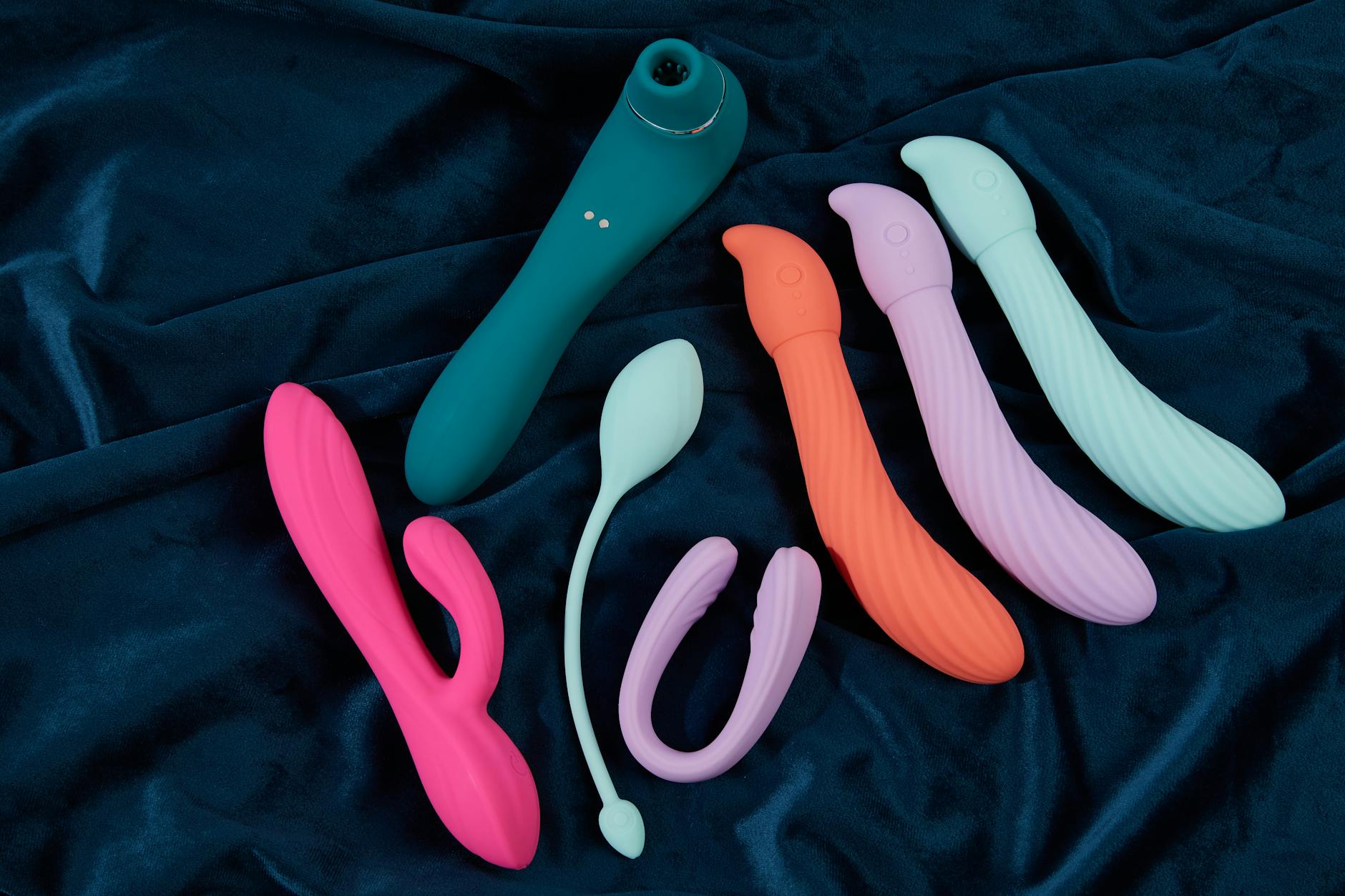
The thing nobody tells you about vibrators and partnerships
Honestly, the hardest part isn't the vibrator. It's the conversation before it ever arrives at your door. Most people I work with tell me they've spent weeks thinking about bringing it up. Weeks. Then they finally say something, and their partner says, "Oh thank god, I was hoping you'd want to try that." And suddenly they realize they've been anxious about nothing.
The gap between what we imagine a conversation will be and what it actually is can be massive. That gap is where all the unnecessary suffering lives.
Why the silence happens in the first place
Let's name the actual fear. It's usually one of these three, or a mix:
"Will they think I'm not satisfied?" This one's about shame. You worry your partner will hear "I want a vibrator" as "You're not enough." But that's translating pleasure as criticism. A lemon vibrator isn't a replacement for your partner. It's a tool that changes what your body can experience. That's different.
"What if they're offended or hurt?" Fair concern if you're with someone who ties sexuality to ego. But that's worth knowing. A partner who can't talk about pleasure without getting defensive has bigger stuff to work through.
"It feels too vulnerable." Introducing a toy means admitting you've thought about this. You've maybe looked at websites, read reviews, imagined it. That's exposure. But vulnerability is also how real intimacy happens. You can't skip it.
The framework that actually works
I use a three-part structure with couples, and it works because it separates the conversation from the product.
Part One: Set the frame. Choose a neutral moment. Not during sex, not in an argument, not right before bed. Maybe you're cooking dinner or taking a walk. Say something like: "I've been thinking about our sex life lately, and I really want to talk about it. Not because something's wrong. Because I want it to feel even better for both of us."
That opener does three things. It signals this isn't a complaint. It names pleasure as a shared goal. It gives you both a reason to listen.
Part Two: Talk about desire, not hardware. Don't lead with "I want to buy a clitoral vibrator." Lead with what you actually want. "I've noticed that my body takes longer to fully relax into pleasure, and I'd like to explore that together" or "I want to experience orgasm in a different way and see what that opens up for us."
You're not selling a product. You're naming a curiosity. That's inviting, not demanding.
Part Three: Introduce the tool as a solution. Only after you've talked about what you want do you say, "I've been reading about lemon vibrators and clitoral suction toys. I think something like that might help. Would you be interested in trying it together?"
Notice the language. "Together" is key. You're not asking permission. You're inviting participation. There's a difference.
What to actually say (words that land)
Here are sentence starters that work, because they're honest:
- "I want to show you something about my body I've learned about myself."
- "I think our sex could feel even better if we explored this together."
- "I'm curious about trying something, and I'd love your input before I decide."
- "I've been thinking about what would make me feel more present during sex, and I want to talk about it with you."
- "There's a tool I think could help both of us feel more connected."
Notice what these don't do. They don't apologize. They don't minimize. They don't ask for permission in a way that invites rejection. They're matter-of-fact, which is actually what makes them land.
What to do if they react badly
Sometimes they do. Sometimes a partner says something hurtful or defensive. If that happens, you have information. Not about vibrators. About your relationship.
If your partner says something like, "You don't need that, you have me," or "That's weird," here's what that's really saying: "I'm not comfortable with this conversation." That's a relationship thing, not a vibrator thing.
Your response can be: "I hear you're not excited about this. Can we talk about what's making you uncomfortable? Because this matters to me." If they won't engage, you've found a communication gap worth addressing with a therapist or relationship coach.
Sometimes rejection is about fear, not judgment. Your partner might worry they're not enough, or they're anxious about change. Those fears are fixable if you're both willing to talk.
When your partner is into it (the better scenario)
If they're curious or enthusiastic, you've opened a door. Next step is practical.
Don't assume they know how lemon vibrators work. Explain the suction mechanism. Show them what you've read. Let them pick the color or style if there are options. This isn't just you introducing a toy into your sex life. It's both of you choosing something together.
When it arrives, treat the first time like an exploration, not a performance. You might use it solo first so you understand what feels good, then invite your partner to watch or participate. Or you try it together immediately. There's no script. The point is you're both present and communicating.
The conversation after the conversation
Once you've used it together a few times, circle back. "What did you notice?" "How did that feel?" "What do you want to try next?" These aren't obligation checks. They're ways of staying curious about your partner and their pleasure.
Most couples who use clitoral vibrators together report that it actually improved their communication about sex overall. When you've said the hard thing once, the next hard thing gets easier.
What happens to intimacy when you bring this in
Here's what I see in my practice. Couples who talk openly about toys, vibrators, and what they want report higher satisfaction. Not because the toy is magic. Because the conversation proved you could be vulnerable together and come out closer on the other side.
Pleasure is vulnerable. Wanting something specific is vulnerable. Most people have been taught that vulnerability in sex is weakness or selfishness. It's neither. It's the foundation of real intimacy.
A lemon vibrator is just the vehicle. The real thing you're building is permission. Permission to want things. Permission to ask for them. Permission to change your mind. Those permissions, once you've given them to each other, change everything.
Frequently asked questions about this conversation
What if my partner wants to use it but I'm suddenly nervous?
Cold feet is normal. You've just made something theoretical into something real. Pause. You don't have to use it this second. You can say, "I'm still excited about this, but I want to go slower." Your partner will either respect that or they won't. Respect is non-negotiable.
How do I bring this up if we've never talked about sex before?
Start smaller. Don't lead with toys. Lead with, "I want us to talk more openly about what feels good." Build the communication muscle first. Once you can say, "I like when you touch me here," saying "I want to try a vibrator" becomes much easier.
What if my partner suggests using a vibrator and I think they're implying I'm not satisfying them?
That anxiety cuts both ways. If they bring it up, they're actually doing the vulnerable thing you've been afraid to do. Take it as an invitation, not a critique. Respond with curiosity: "Tell me what made you think of this" or "What do you think it might add for you?" Most of the time, it's not about you being inadequate. It's about them wanting to explore pleasure together.
Is it weird to use lemon vibrators if we're married with kids?
No. Married sex that's intentional and pleasurable is often better than early relationship sex. You know each other. You have time. Kids eventually sleep. A clitoral vibrator is one small tool that can make that time together matter more. There's nothing weird about prioritizing intimacy.
Can I ask my partner to use a lemon vibrator on me during sex?
Absolutely. If you want to frame it that way, you could say, "I'd love for you to use this on me" instead of introducing it as something you do solo. Some partners love that. It makes them feel included and gives them a new way to pleasure you.
What if I'm embarrassed about ordering it?
Order it and move on. Hello Nancy sends discreet packaging. No one knows what's inside except you. That shame you're feeling is not about the vibrator. It's about internalizing the idea that pleasure is something to hide. Once you own it, it feels less heavy.
The bottom line
Talking to your partner about lemon vibrators or any clitoral vibrator is not a risk to your relationship. Silence is. Resentment about wanting something and never asking for it is. A conversation where you're both willing to be a little awkward and vulnerable? That builds something real.
Your partner probably already suspects you're thinking about pleasure. You probably already know they are. You're both just waiting for someone to say it out loud first. Be that person.