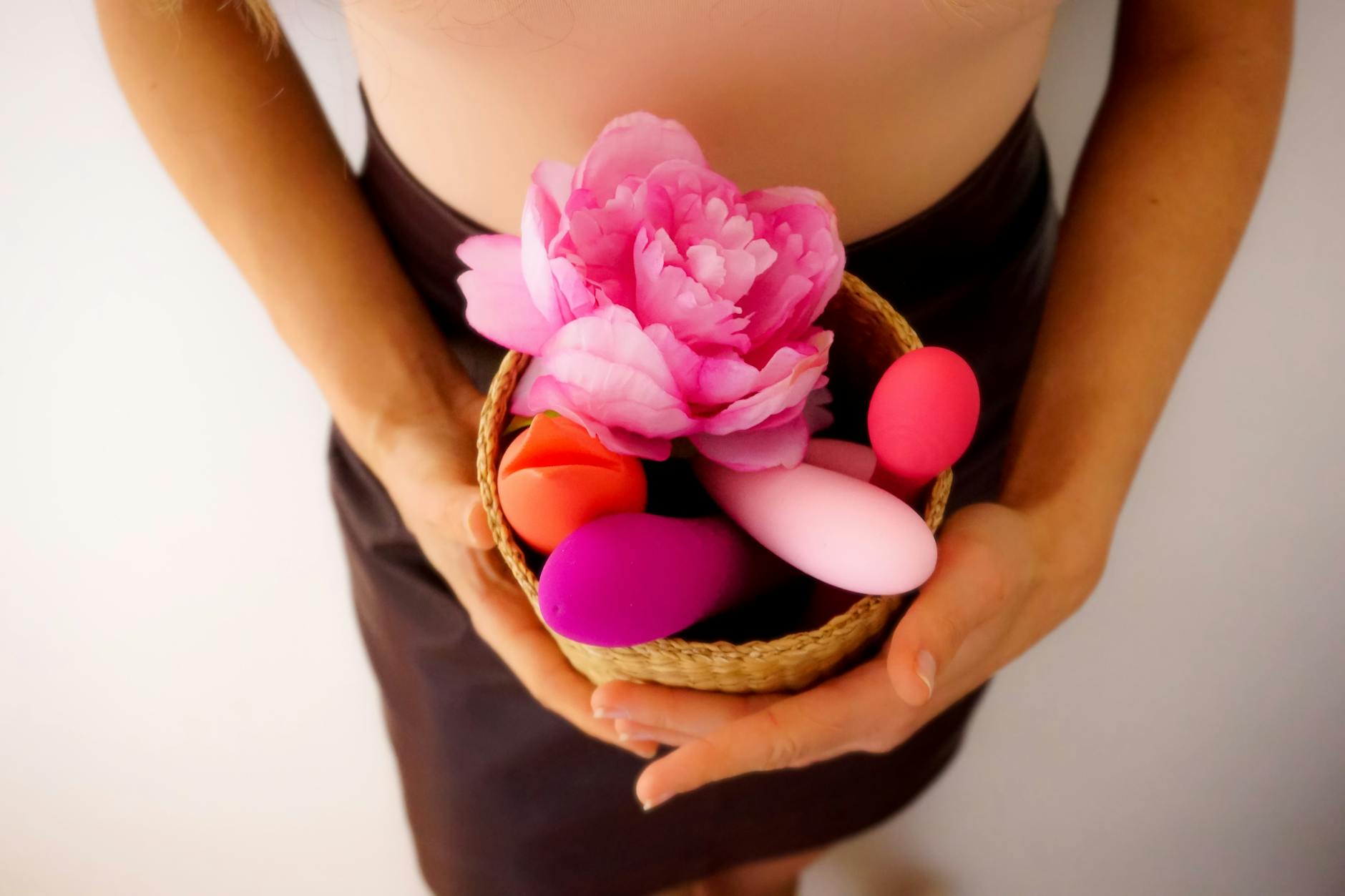
How Sensitivity Changes After Pelvic Surgery: Using Lemon Vibrators Safely Again
Let's be real. Nobody warns you that pelvic surgery rewires pleasure.
Hysterectomy, fibroid removal, endometriosis excision, bladder repair. The surgery heals. The incisions close. Then you reach for the lemon vibrator you've relied on for years and something feels profoundly different. Not bad, necessarily. Just different. Numb in spots. Hypersensitive in others. Like your body is speaking a dialect you no longer recognize.
This is normal. And it's temporary, though "temporary" might mean months, not weeks. Here's what's actually happening, and how to rebuild pleasure safely without triggering pain or prolonging recovery.
Why pelvic surgery changes sensation
Your clitoris is wired. Literally. Tiny nerves branch through the pelvic floor, around the uterus, through the vaginal wall. Pelvic surgery doesn't necessarily touch the clitoris itself, but it reroutes the pathways around it. Scar tissue forms. Swelling subsides unevenly. Nerves wake up at different times.
The result is a mismatch between what you expect to feel and what actually registers. Some women report complete numbness for weeks. Others get hypersensitivity so extreme that even light touch feels sharp. Many experience both simultaneously in different zones.
The clitoris has about 8,000 nerve endings, and surgery's inflammation affects them all at once, though unevenly. Healing is not linear. Day 14 might feel promising. Day 21 regresses. Day 30 surprises you with sensation you thought was gone.
This is not a sign something went wrong. This is textbook nerve recovery.
The timeline for nerve healing after pelvic surgery
Here's the hard truth: there is no universal timeline.
Minor procedures (like a simple fibroid removal) might restore sensation in 6-8 weeks. Major surgery (hysterectomy, extensive endo excision) can take 3-6 months or longer. The variables are countless. Your surgeon's technique. Your body's inflammatory response. Whether you had previous pelvic trauma. Your age. Stress levels. How well you sleep.
What I tell my clients is this. The first 6 weeks are hands-off. Your vulva is a wound site, even if the incision is internal. Using a lemon vibrator during this window risks introducing infection, intensifying inflammation, or damaging fragile healing tissue.
Weeks 6-12, with your surgeon's clearance, careful exploration begins. Not pleasure sessions. Exploration. Five minutes max, once or twice a week, at the lowest settings your lemon clitoral vibrator offers.
After 12 weeks, if there's no pain and sensation is returning, you can gradually increase frequency and intensity.
But listen. If anything causes sharp pain, burning, or increased swelling, stop immediately and call your surgeon. Pleasure is not worth triggering complications.
What numbness actually means (and why it's not permanent)
Numbness after pelvic surgery feels like your clitoris has left town. It hasn't.
What's happening is swelling compressing nerves, or scar tissue insulating nerve pathways. Both are reversible. As inflammation resolves and scar tissue softens, sensation returns. Not all at once. In layers. Over weeks or months.
I've worked with clients who regained full sensation. I've also worked with clients who got 70% back, 90% back, and found that "good enough." The variation depends partly on the surgery, partly on genetics, and partly on what you do during recovery.
During the numb phase, using a lemon vibrator can feel pointless. You're not wrong. If you can't feel it, the feedback loop that usually drives pleasure is broken. This is temporary. Pushing through numbness by increasing intensity is the wrong move. It can desensitize the tissue further and delay healing.
Instead, gentle, brief contact at the lowest setting helps alert the nervous system that the clitoris is there. It's a whisper, not a shout.
Rebuilding pleasure: the slow protocol
Once your surgeon clears you for sexual activity (which is different from healed), here's how I recommend returning to lemon vibrators.
Week 1-2 of resumed exploration: Use the lowest pattern on your vibrator (if you own a Lem or similar lemon clitoral vibrator, that's pattern 1 or 2). Five minutes maximum. Once weekly. Focus on sensation mapping, not orgasm. Where do you feel it? Where is it numb? Does intensity change if you move the device?
Week 3-4: Increase to twice weekly if the first sessions caused no pain or swelling. Keep duration at 5-10 minutes. Stay on low patterns. Begin gently increasing duration first, not intensity.
Week 5+: If sensation is returning and there's no pain, you can cautiously move to medium patterns. Still keep sessions to 15 minutes. Build gradually.
This sounds glacially slow. It is. The payoff is avoiding re-injury and giving your nervous system time to recalibrate without overwhelming it.
Pain during activity: what's normal and what isn't
Slight tenderness or mild discomfort in the first few sessions is common. Burning, sharp pain, or increased swelling is not.
If you feel any of the second group, stop. Rest. Ice if swelling is present. Contact your surgeon before you resume. This isn't failure. It's your body setting a boundary.
One nuance: some women report that sensation "wakes up" in a way that reads as oversensitivity or tenderness. This can feel like pain but reads differently to the touch. If you can touch that area with your finger and the pain vanishes, you're likely dealing with nerve reawakening. If direct finger touch also causes sharp pain, you need medical clearance.
When you do resume with a lemon vibrator, you're amplifying sensation, so start conservative. Your clitoris can tell you what it needs. Listen.
Communication: rebuilding trust with your body and your partner
If you have a partner, involve them in the conversation early. Not the exploration itself, necessarily. The roadmap.
"My surgeon cleared sexual activity, but sensation is still returning. I'm going to rebuild slowly. This might not feel the same yet, and that's okay. I'll need patience, and I'll also need you to hear me if something doesn't feel right."
Many partners assume medical clearance means you're ready to resume exactly as before. You're not. Your body is healing. That's the honest frame.
For solo exploration, give yourself permission to not orgasm for a while. The goal during early recovery is sensation, connection, and patience. Not performance.
Tools that help during pelvic healing
Lube becomes even more important after pelvic surgery. Thinner tissue, reduced lubrication from inflammation, and nerve sensitivity all mean friction feels different. Water-based lubricant reduces the mechanical load on healing tissue. Use more than you think you need.
Warmth helps. A heating pad on your lower belly before exploring can relax pelvic floor tension and increase blood flow to the area. Ten minutes is plenty.
Breathing matters. Shallow breathing during exploration keeps pelvic floor muscles clenched. Before you start, spend two minutes breathing deeply. In for four, out for six. Your pelvic floor will relax.
Pacing your lemon vibrator sessions away from other pelvic strain helps too. Heavy lifting, intense exercise, or constipation all activate the same muscles and tissues. If you've had a tough workout day, skip the vibrator.
When sensation takes longer to return
Some women regain sensation quickly. Others plateau at 50% for months, then suddenly jump to 80%. Some stay at 70% long-term and adjust expectations.
If you're three months post-surgery and sensation hasn't budged, talk to your surgeon about pelvic floor physical therapy. A pelvic floor PT can assess whether scar tissue is the culprit, whether pelvic floor tension is blocking sensation, or whether there's nerve involvement that needs specialist input.
Therapeutic massage, acupuncture, and other modalities have mixed evidence, but some women find them helpful. The real value is permission to focus on the area without shame.
Your body is not broken if healing takes longer. Healing is not a race.
The good news
Here's what I tell clients who are frustrated in month two of recovery and ready to abandon the lemon vibrator entirely: this is the worst phase. The not-knowing. The sensation that's half-present. The gap between where you were and where you're going.
As weeks pass, sensation usually improves. Not always to exactly what it was before. But better. Often richer, because you're relearning your body and giving it attention you might not have offered otherwise.
Many of my clients report that sex after pelvic surgery feels different in ways that eventually become better. Deeper connection to their own body. More awareness of what actually feels good versus what they thought should feel good. Slower, more intentional exploration.
Your lemon vibrator will still work for you. Just not today, and probably not next week. But soon.
FAQ: Sensitivity, healing, and returning to pleasure
How soon after pelvic surgery can I use a lemon vibrator?
At minimum, wait until your surgeon clears sexual activity, which is usually 4-6 weeks post-op. Even then, start gently. The first actual lemon vibrator session should wait until week 6-8 at the earliest. Your vulva is still healing internally. Introduce sensation slowly.
Will my clitoris feel completely different forever?
No. Sensation changes are temporary, though "temporary" might mean 3-6 months. Nerves heal at their own pace. Most women regain significant sensation within that window. Full sensation might take longer, or might stabilize at a new baseline that still feels good.
Can using a lemon vibrator too soon damage healing?
Yes, potentially. Increased blood flow, inflammation, or direct pressure on fragile tissue can delay healing or trigger complications. Pain or increased swelling after activity is your signal to pull back. Conservative timing now prevents setbacks later.
Why does my clitoris feel hypersensitive instead of numb?
Hypersensitivity is another form of nerve confusion. Healing nerves sometimes fire in overdrive before settling down. This usually resolves on its own. Using your lemon clitoral vibrator at the absolute lowest setting and shortest duration helps. You're not avoiding sensitivity. You're giving your nervous system space to recalibrate.
Should my partner be involved in using a lemon vibrator during recovery?
That's your call. Some couples find that partner exploration feels safer and more intimate. Others prefer solo exploration to control pace and pressure. Whatever you choose, clear communication about what you're exploring and what you need is essential.
What if sensation doesn't return after three months?
Contact your surgeon or ask for a pelvic floor physical therapy referral. Persistent numbness could indicate scar tissue requiring attention, pelvic floor tension blocking sensation, or nerve involvement that a specialist should evaluate. This is not your fault. It's worth investigating.
The real ending
Pelvic surgery changes your body, not permanently but genuinely. Your lemon vibrator will still bring you pleasure. Your clitoris is still there, still capable, still deserving of attention. But it needs patience from you right now, and that patience is an act of care, not punishment.
Feel free to reach out if you want to talk through your specific situation. Your pleasure matters, and so does your healing.
If you found this helpful, you might also explore why lemon vibrators work better for sensitive clitoral tissue or learn about lemon vibrator recovery and how to avoid overstimulation.