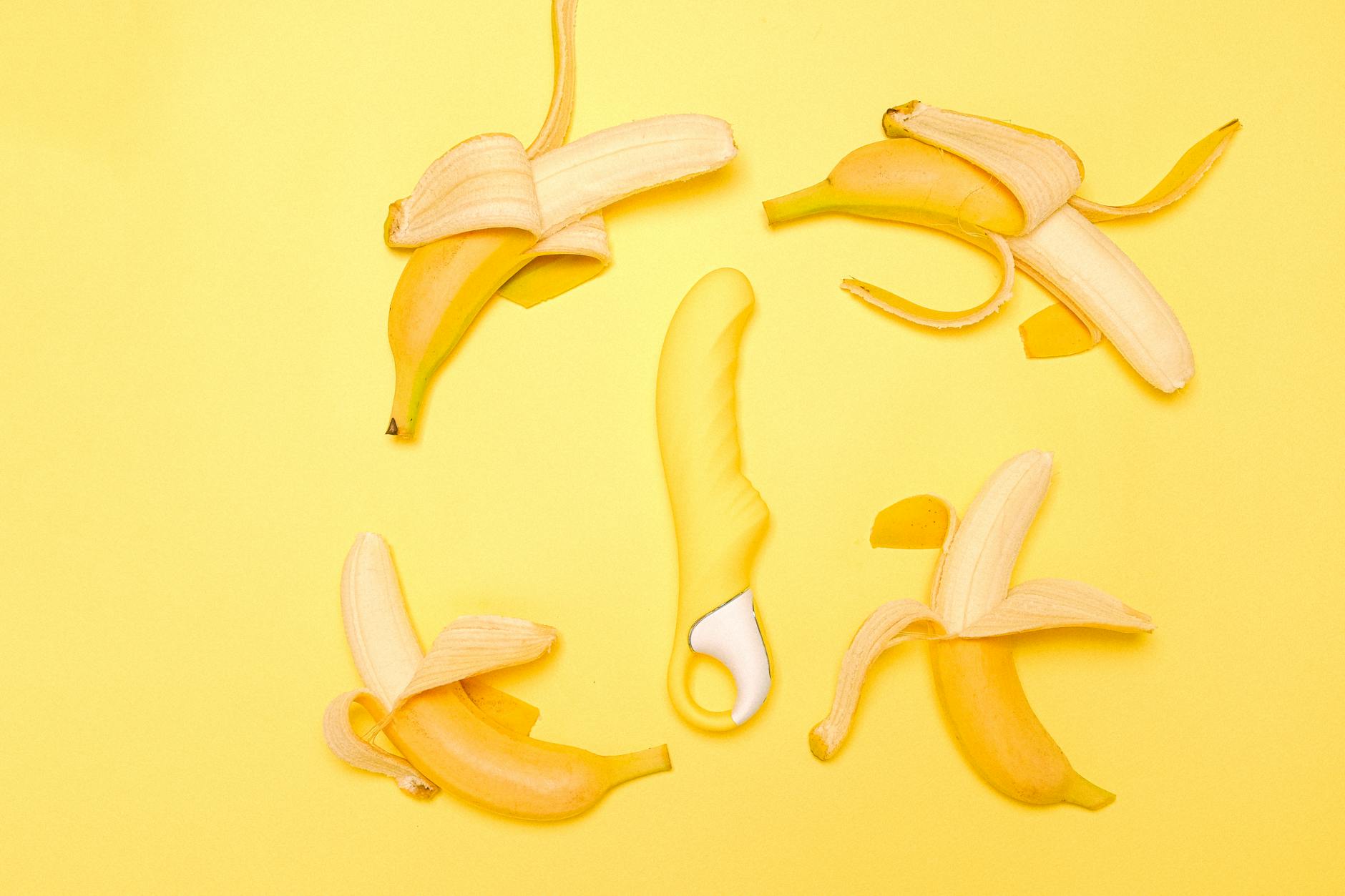
Here's the thing about vibrator numbness
You're not alone. It happens often enough that I hear about it constantly from people using lemon vibrators and other clitoral toys. The sensation starts electric, then gradually fades into a dull, tingly feeling where pleasure used to be. By the time you stop, you're not sure if you actually feel anything at all.
It feels like a problem with the toy, your body, or your technique. Often it's none of those. It's a predictable response to sustained, repetitive stimulation, and it's almost entirely reversible once you understand why it happens.
What's actually happening in your body
Your clitoris has roughly 8,000 nerve endings packed into a tiny space. When you apply consistent vibration, those nerves fire repeatedly. For the first few minutes, this feels amazing. Your brain registers the input as pleasure.
Then something shifts. Your nerve endings literally adapt to the stimulus. This is called sensory adaptation or habituation. It's the same reason you stop noticing a shirt once you've worn it for an hour, or why background noise becomes invisible.
Your clitoris isn't broken. Your nerve endings are doing exactly what they evolved to do: adjust to sustained input so your nervous system can detect change. When change stops coming, the signal weakens. That's numbness.
Here's what matters: this adaptation is temporary and reversible. The sensation comes back. You don't need to use the toy longer or harder to fight through it. You need to interrupt the pattern.
The vibration intensity trap
Most people respond to numbness by increasing intensity. Turn it up to pattern 7, or press harder against the skin, or hold it there longer. This makes sense intuitively. More stimulus should feel better, right?
Wrong. It actually accelerates the numbness. Higher intensity drives faster adaptation. You're asking your nerves to adjust more aggressively to an even stronger signal, so they disconnect even quicker.
That's why people report that lemon vibrators feel incredible at first, then fade. It's not the toy. It's the strategy. You can use that same clitoral vibrator indefinitely without numbness if you change how you use it.
The movement solution that actually works
The single most effective fix is movement. Not faster vibration. Movement.
The moment you notice sensation starting to fade, stop using the toy exactly as you have been. Instead, move the vibrator slightly. Shift it a millimeter to the left. Roll it in a small circle. Change the angle. Move it away for five seconds, then reapply. Any movement that changes which nerve endings are receiving the vibration resets the adaptation.
Your nervous system treats this as new input. The sensation snaps back. It's dramatic and reliable.
This is why many people find that clitoral vibrators with variable patterns feel less numbing than steady-state toys. The pattern change provides that movement cue automatically. But even if you're using a simple single-speed lemon sucker, you can replicate that effect by moving the toy yourself.
Timing strategy: the rhythm that works
Here's a framework that helps most people:
Minutes 1-3: Apply the vibrator with consistent pressure and pattern. This is peak sensation. Let yourself feel it fully.
Minutes 3-5: Begin rotating through small movements. Shift position every 10-15 seconds.
Minutes 5-8: If you're still going, increase the pause-and-reapply rhythm. Hold for 20 seconds, lift away for 5 seconds, reapply. This keeps sensation fresh.
If numbness appears before orgasm: Stop what you're doing immediately. Take a 30-second complete break. Do something totally different. Switch to manual stimulation, or use the toy on a different area. Let your clitoris reset. Then return to the vibrator with a fresh approach.
Most people climax in the first 3-5 minutes with this method. If you're not there by minute 5, you're likely using too much steady pressure. Back off. Let your body guide you.
The pressure mistake
Many people press the lemon clitoral vibrator against their body with firmness. That pressure plus vibration equals faster adaptation. Your nerves are experiencing both the vibrational input and sustained mechanical pressure, which compounds the numbing effect.
Try this: use the lightest touch that still lets you feel the vibration clearly. Hovering the toy against your skin rather than pressing it makes a measurable difference. Less pressure means less total neural load, which means slower adaptation and longer-lasting sensation.
This adjustment alone transforms the experience for about half the people I work with. You don't need to grip the toy harder. You need to hold it softer.
When numbness might signal something else
If you experience sharp pain, burning, or persistent numbness that lasts longer than a few hours after stopping, something different might be happening. Chafing from sustained friction, an allergic reaction to the toy material, or very occasionally an underlying nerve issue can create numbness that doesn't follow this pattern.
Stop using the toy and let the sensation settle over a day or two. If it returns to normal, you were just experiencing sensory adaptation. If it doesn't, or if the numbness is localized and painful, check in with your doctor or a pelvic health physical therapist.
For most people though, this is simple adaptation. It's how your nervous system works, not a sign of damage.
Lemon vibrators and adaptation: the advantage
Here's something worth knowing: air-suction toys like the Lem vibrator are actually less prone to causing numbing than traditional vibration. The suction stimulation works differently neurologically than direct vibration. The sensation tends to stay fresh longer.
But even with an air-suction lemon vibrator, movement still helps. A little shifting, a pause, a change in angle. These small adjustments keep the experience dynamic and the sensation consistent.
FAQ: What People Actually Ask
Why does my clitoris go numb when I use my lemon vibrator but not when my partner touches me?
Manual touch varies naturally. Fingers can't replicate exactly the same pressure and pattern twice. Your partner's hand shifts slightly, applies different angles, takes breaks. That constant tiny variation prevents sensory adaptation. A vibrator in one position with one pattern creates that consistent input your nerves adapt to. This is why you can stimulate manually for longer without numbness. The solution is to add that variation to your vibrator use by moving it.
Is numbness a sign I'm using the toy wrong?
Not wrong. Just in a way that triggers adaptation quickly. There's no objectively "right" way to use a clitoral vibrator. But if you want to avoid numbness, movement and lighter pressure are the adjustments that help most people.
Can I build up tolerance so the numbness stops happening?
No. Adaptation is not tolerance building. Using a vibrator more often doesn't train your nerves to stop adapting. What does help is improving your technique: lighter pressure, more movement, strategic breaks. These work whether you use your lemon vibrator daily or occasionally.
Does numbness mean I should use a stronger toy?
Not necessarily. A more intense vibrator might feel different initially, but if you use it the same way (steady pressure, no movement), you'll experience the same adaptation. Sensation quality is more about technique than intensity. That said, air-suction devices like the Hello Nancy Lem do feel qualitatively different and often feel fresher longer. If you're not getting what you want from your current toy, a different tool might help. But numbness alone doesn't mean you need more power.
How long does numbness last after I stop using the vibrator?
Usually 30 minutes to a couple hours. Full sensation returns during that window. You don't need to do anything. It's the same reason your fingers feel tingly if you sit on them. Stop the stimulus, and the nervous system resets.
Is there anything I can take to prevent numbness?
Nothing pharmacological. But taking 2-3 minute breaks, using light pressure, and moving the toy as you go are the most effective preventions. Some people also find that alternating between two different toys (different vibration patterns, or switching between vibration and suction) extends sensation because the stimulus change keeps adaptation slower.
The bottom line on pleasure
Sensation numbness during toy use is not a flaw in your body. It's a feature of how your nervous system protects you from overstimulation. Once you understand that, the fix becomes obvious. Move. Pause. Vary. Let your clitoris stay engaged instead of asking it to process the same signal over and over.
Your pleasure deserves strategy, not just effort. And the good news is, the strategy is simple and works almost immediately. Try it once and you'll feel the difference.
If you're working through this with a partner, the same principles apply. Communication about what feels fresh versus what's starting to fade matters. Knowing when to pause, shift, or change approach keeps intimacy dynamic and sensation strong.
Your lemon vibrator isn't the problem. The way you're using it might be. And that's completely fixable.
People Also Ask
Can I use my clitoral vibrator every day without experiencing numbness?
Yes, if you use it strategically. Daily use isn't the problem. Repetitive, static use is. If you change your approach each time, vary pressure and movement, and take breaks when sensation starts to fade, you can use a clitoral vibrator every single day without numbness becoming an issue. The key is staying attentive to what your body is telling you and adjusting in real time.
Does the numbness mean my vibrator is too weak?
Rarely. Numbness is much more often a technique issue than a power issue. People sometimes assume they need a stronger toy when what they actually need is a different approach. That said, if you're using the lightest setting on your toy and it's not generating the sensation you want, a higher-intensity option might genuinely be a better fit. But numbness specifically usually comes from adaptation, not lack of power.
Should I use numbing cream with my vibrator?
No. Numbing cream removes sensation so you can't feel what's happening. That's the opposite of what you want. If numbness from sensory adaptation is the issue, the solution is keeping sensation present through movement and variation, not removing it further.
What's the difference between numbness and just losing interest?
True sensory numbness is specifically a loss of physical sensation. You can apply the toy and feel pressure but not the pleasurable vibration. Loss of interest or arousal is different. Your body feels fine, but mentally you're not engaged. They need different solutions. If you're experiencing actual numbness, the movement and timing strategies above work. If your mind has checked out, that's about arousal, context, and what's happening in your relationship or life. Both are valid. Just different problems.
References and further reading
Sensory adaptation and habituation are well-documented in neuroscience. The research on vibrotactile perception shows consistent patterns in how repeated stimulation reduces neural response over time. For practical application, relationship and sex educators like those trained in somatic work often teach similar movement-based strategies to maintain sensation during extended intimacy.
For more on using clitoral vibrators effectively and safely, see our guides on how to use a lemon vibrator for the first time and why lemon vibrators work better for sensitive clitoral tissue. If you're exploring new toys, our complete guide to lemon vibrators walks through options and techniques in detail.
Your pleasure matters. Using tools that work for your body, with technique that keeps sensation alive, is part of claiming that. If numbness has been a barrier, try the movement strategy this week. You'll likely notice the difference immediately.