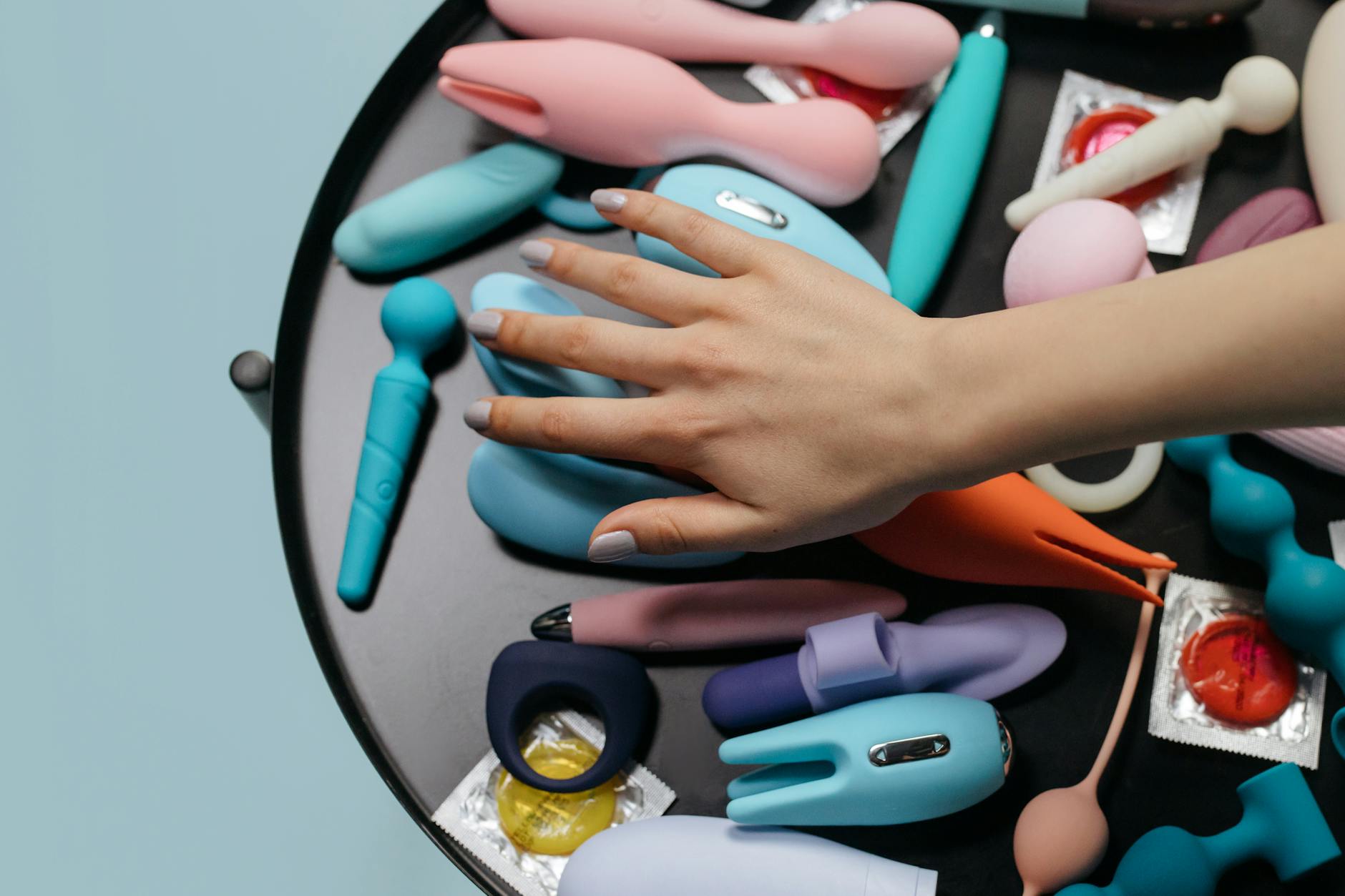
How Lemon Vibrators Feel Different After Hormone Therapy
Let's be real. You start hormone replacement therapy for a lot of reasons. Relief from hot flashes, better sleep, clearer skin, steadier mood. What nobody fully prepares you for is how it changes the way pleasure feels. And if you've got a lemon vibrator you love, you might suddenly wonder why it doesn't hit the same way.
Here's the thing: it's not broken. You're not broken. Your body is just speaking a different language now. And once you understand what's actually happening, the adjustment is straightforward.
What estrogen does to tissue sensitivity
Estrogen is basically the master switch for how your genital tissue behaves. It controls thickness, elasticity, blood flow, and how quickly nerves fire in response to touch. When you start hormone therapy, estrogen levels stabilize at a higher baseline than they were before. This is the whole point. But it means your clitoris and vulval tissue are literally functioning differently than they were two weeks ago.
The most common shift? Increased tissue thickness and improved blood flow. Sounds great, right? And it is. But thicker tissue can also feel less immediately responsive to light touch. Some people describe it as needing slightly more pressure to register sensation. Others say the sensation feels more diffuse, less sharply localized.
Your lemon clitoral vibrator's suction mechanism relies on that tissue responsiveness. When tissue gets thicker or the arousal response becomes slightly less hair-trigger, some settings that used to feel perfect might suddenly feel underwhelming.
Why your favorite patterns might feel different
Three mechanisms at play here:
Pattern perception shifts. Before HRT, you might have been most responsive to fast pulse patterns because your arousal system was more volatile. Once hormones stabilize, your nervous system is calmer. Fast pulse sometimes feels janky instead of electric. You might find yourself gravitating toward the wave or rhythm patterns you used to skip.
Arousal speed changes. Estrogen therapy often extends the time it takes to reach full arousal. You're not slower forever. You just don't hit that peak instantly anymore. This means jumping straight into intensity 5 on your lemon sucker might feel jarring instead of satisfying. It's asking your body to go from zero to sixty when it's currently set to a more gradual acceleration.
Sensation integration gets softer. Pre-HRT, many people describe arousal as sharp, almost electric. On hormone therapy, the same sensations often feel rounder, more integrated into the whole body. This isn't bad. It's actually what many people want. But it does mean that intense, localized suction sometimes overshoots instead of landing right.
The adjustment period is real (and temporary)
I tell clients this explicitly: the first four to eight weeks after starting HRT, your pleasure response is in flux. This is normal. It's not a sign you need to abandon your lemon vibrator. It's a sign your body is rewriting some basic operating instructions.
Here's what I recommend during this window:
Start lower on the intensity dial. If you were using settings 4 to 5 before, begin at 2 to 3 and work up. Your tissue will tell you what it wants. Listen to it instead of forcing the old script.
Extend warm-up time. Dedicate an extra five to ten minutes to relaxation and gentle touch before you introduce suction. Your body needs a longer runway now. That's not a limitation. That's useful information.
Experiment with rhythm. Wave and circular patterns often feel better in the early HRT weeks than straight pulse. Try modes you might have dismissed before.
Use lubrication strategically. Estrogen improves natural lubrication, but external lube still helps the seal and sensation on a lemon suction toy. Add a touch of water-based lube if suction feels too intense or if you're finding it hard to build toward orgasm.
When changes stick around (and why that's fine)
After about two months, most people settle into a new baseline. Some discover they genuinely prefer different settings than they did before HRT. This isn't a loss. It's an evolution.
I had a client who used to swear by pulse patterns on her lemon vibrator. Six weeks into HRT, she found rhythm patterns gave her the deepest orgasms of her life. Another client went the opposite direction: she needed more intensity after hormone therapy because her tissue became less reactive to light touch.
The point is, neither outcome is wrong. Your body isn't supposed to stay frozen at one sensitivity level forever.
Desire changes are separate from sensation changes
This is crucial because it's where people get confused. Hormone therapy can shift desire independently of sensation. Some people report that their libido soars. Others find it takes a few months to stabilize. This has almost nothing to do with whether your lemon clitoral vibrator works anymore.
Low desire might mean you need less intense stimulation overall. Or it might mean you need to spend longer warming up mentally before physical touch registers at all. That's a different conversation than sensation. Don't collapse them.
If you're experiencing desire changes alongside HRT, that's absolutely worth discussing with your doctor or therapist. Desire can be affected by dosing, type of hormone, underlying relationship dynamics, or baseline mental health stuff. Blame isn't useful here. Data is. Track what's happening and bring it to someone trained.
Why lemon suction toys handle HRT changes better than vibration-only toys
Here's an advantage I love about air-suction clitoral vibrators like those from Hello Nancy. Because suction builds pressure gradually and works with your body's arousal response instead of just battering tissues with vibration, it adapts better to sensitivity fluctuations.
When your tissue is thicker or less immediately reactive, suction creates a seal and a gentle vacuum. That works. With a traditional vibrator, you're fighting against tissue that won't cooperate. You need more speed to compensate. That often leads to frustration.
If you've been thinking about trying a lemon suction toy for the first time and you're on HRT, this is actually an ideal moment. Your body is already talking about what it needs. A clitoral suction device is designed to listen.
Partner communication during the transition
If you're with someone, you might notice that the whole sexual dynamic feels different. You need more warm-up. Your body responds differently to touch. Your favorite positions might not hit the same way anymore.
This is not about you or them being less attracted. It's about your nervous system running on different wiring. The kindest thing you can do is name this explicitly. "My body is adjusting to hormone therapy. It's not instant now. It needs a longer ramp-up and it seems to respond better to different patterns. We're learning together." That's it.
If a partner struggles with the change, couples therapy can help. But most partners are relieved to have a concrete reason and a direction to move in, rather than silently wondering if something went wrong.
When to check in with your doctor
If sensation changes arrive alongside pain, numbness, or you've completely lost the ability to orgasm after two months, flag it with your doctor. That's not normal adjustment. That might mean your hormone dose needs tweaking or something else is happening that deserves attention.
Also worth mentioning: some people find that after an initial adjustment period, their capacity for pleasure actually deepens. Hormone therapy levels out the volatility. You stop chasing the high and start building toward something more sustainable. That takes a few months to recognize. Be patient with the process.
The bottom line on lemon vibrators and HRT
Your body needed hormone therapy. That was the right choice. Your pleasure response changing doesn't mean you've lost your sexuality. It means you're in transition, and transitions are actually where the interesting stuff happens.
Give yourself four to eight weeks to figure out the new map. Adjust your settings, extend your warm-up, and pay attention to what actually feels good instead of what used to feel good. Your lemon clitoral vibrator isn't obsolete. You're just learning to use it in a new language.
People also ask
How long does it take for your body to adjust to hormone therapy?
The first noticeable changes often happen in two to three weeks. Sexual response and pleasure adjustments typically settle into a new normal by week six to eight, though some shifts continue for three to six months. Everyone's timeline is different. Your doctor or therapist can help you track whether your personal timeline looks normal.
Can you use a lemon vibrator while you're adjusting to HRT?
Absolutely. In fact, it's useful to do so because your vibrator becomes a way to track what your body is doing. You'll notice directly whether you need more warm-up, different patterns, or adjusted intensity. Just be willing to experiment instead of forcing the old routine.
Does estrogen therapy make you more sensitive or less sensitive to vibrators?
Neither universally. Some people become more sensitive because blood flow improves. Others become less sensitive to certain patterns because tissue thickens. The real answer is: you'll feel different, and which direction you shift is individual. That's why tracking your own experience matters more than expecting a specific outcome.
Should I buy a new toy if my old one doesn't work anymore after HRT?
Not necessarily. Most people find their existing toys work just fine once they adjust the settings and warm-up approach. If you've been curious about trying a lemon suction vibrator and you're on HRT, that's a good reason to explore it. But don't throw out your old favorites. Just use them differently.
Can hormone therapy affect orgasm intensity?
Yes. Some people report deeper, longer orgasms after HRT settles. Others find orgasms are quicker but less intense. Many people experience both at different times, depending on stress, arousal, and partner dynamics. This is normal variation, not a permanent change. If orgasm becomes completely absent, that's worth mentioning to your doctor.
Is it normal to need more stimulation after starting hormone therapy?
It's common for some people. Thicker tissue or a steadier arousal response sometimes requires a different stimulus level or pattern to reach orgasm. Other people need less. The key is that your body is giving you useful information. Listen to it, adjust your approach, and keep going.