How to Use Lemon Vibrators With Anxiety and Touch Sensitivity
Let's start here: anxiety isn't in your head. It's in your nervous system, which means it's absolutely in your body, and it changes how touch feels.
When you're anxious, your skin becomes hypervigilant. A light touch that normally feels good starts to feel intrusive or overwhelming. Your pelvic floor tightens. Your brain struggles to separate safety from threat. And pleasure, which requires your nervous system to be calm enough to pay attention, becomes nearly impossible to access. Most people don't realize this is what's happening. They assume they've lost desire permanently. What's actually happened is their body has gone into protective mode.
The good news: this is reversible. And lemon clitoral vibrators, specifically their design and intensity patterns, are one of the most effective tools for gently rebuilding sensation when anxiety has made touch feel unsafe.
How anxiety changes what touch feels like
Here's the mechanism: anxiety activates your sympathetic nervous system (the fight-or-flight response). When this system is dominant, your body deprioritizes pleasure responses. Blood flow to your genitals decreases. Your pelvic floor muscles contract. Your skin becomes hypersensitive to light touch, which can feel painful instead of pleasurable. It's a survival response, not a character flaw.
People with generalized anxiety disorder, social anxiety, or trauma history experience this most acutely. But honestly, anyone going through a stressful period can find that touch suddenly feels like too much. The timing doesn't matter. The effect is the same.
What makes this tricky: gentle, slow touch often triggers MORE anxiety in an already-dysregulated nervous system. That feather-light stroke your partner used to give you? It might now feel like pins and needles. Your brain is scanning it for danger instead of receiving it as pleasure.
Why lemon vibrators work differently for anxious bodies
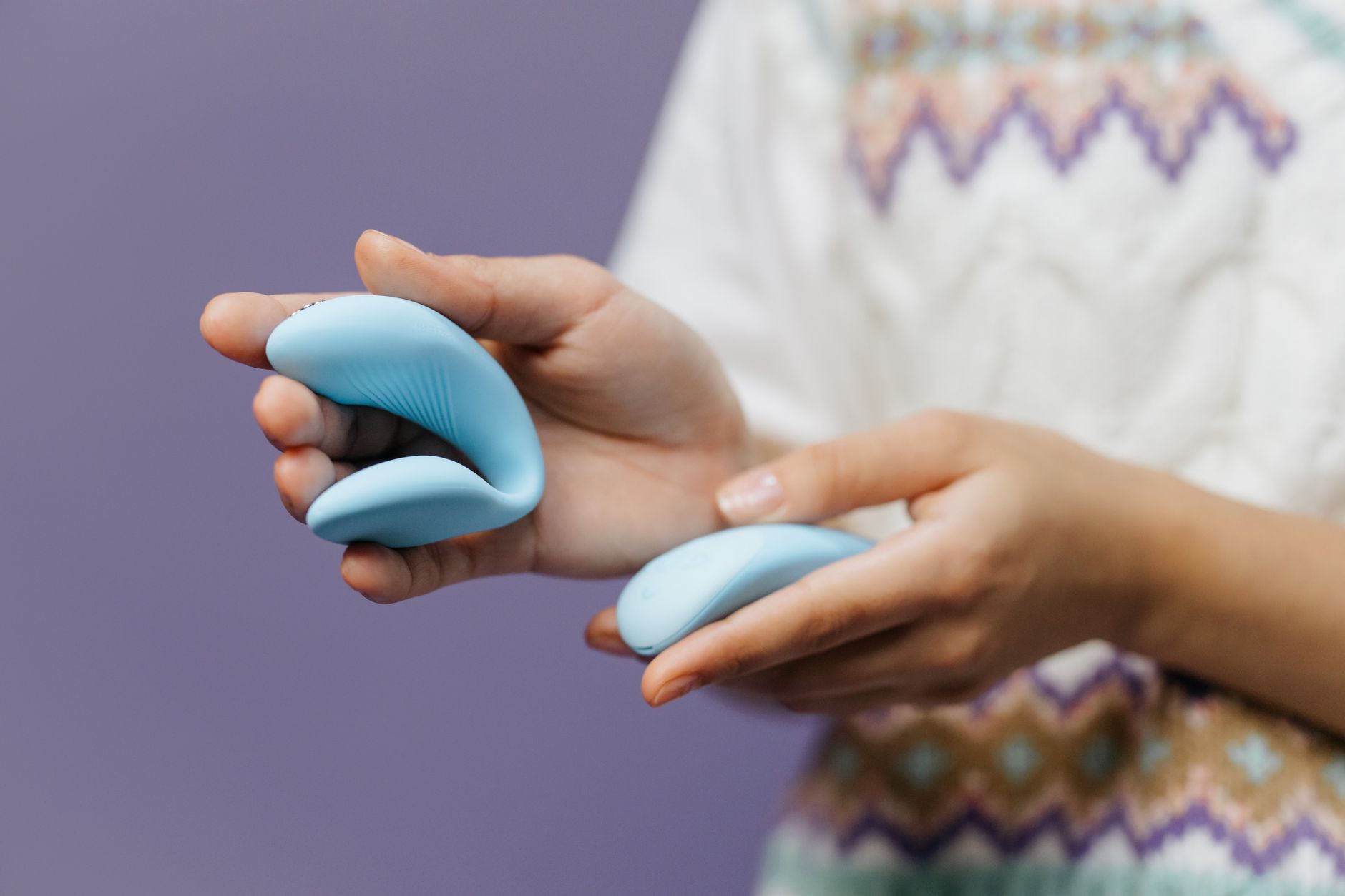
Lemon clitoral vibrators like the Lem have a specific advantage for anxiety-sensitive nervous systems. The suction-based stimulation bypasses the hypervigilance problem that light friction creates.
Here's why this matters: suction stimulates deeper nerve clusters in the clitoris. It's not a light, unpredictable touch that your anxious nervous system has to "evaluate for safety." It's a consistent, predictable pressure that your brain can tune into. The patterns are gentle enough to feel safe but intense enough to actually register pleasure through the anxiety fog.
Comparison: traditional vibrators deliver rapid vibration to the surface. That works great for relaxed bodies. For anxiety-sensitive nervous systems, the rapid unpredictability can actually amplify feelings of overwhelm. Lemon sexual toys operate at a lower frequency with sustained pressure. Your nervous system settles into the rhythm instead of bracing against it.
Starting from zero: rebuilding sensation step by step
If anxiety has made touch feel completely inaccessible, don't start with direct clitoral contact. Start with your nervous system.
Day 1-3: Just proximity. Sit near the toy without touching it. Hold it. Feel its weight. Get used to having it in your space without any expectation of use. This sounds silly, but trauma and anxiety have taught your body that stimulation = threat. You're reversing that message by introducing something slowly and with zero pressure.
Day 4-7: Touch and exploration. Hold the lemon clitoral vibrator. Feel the silicone. Turn it on at the lowest setting (usually setting 1). Place it against your inner arm or thigh, somewhere you have less anxiety stored. The goal is to let your nervous system experience the sensation without genital pressure.
Week 2: External contact. Once you're comfortable with the sensation on your arm, try the lowest setting on the outer labia or vulva (not directly on the clitoris yet). Spend 2-3 minutes max. Anxiety management means respecting your tolerance limits.
Week 3 onward: Gradual intensity. If the external contact felt okay, try settings 2-3 on the clitoris itself, but only for 60-90 seconds at a time. You're teaching your nervous system that pleasure can coexist with sensation. You're not trying to orgasm. You're building tolerance and safety.
The nervous system prep work that actually matters
The lemon vibrator is the tool. But your nervous system needs preparation.
Breathwork before use. Spend 5-10 minutes doing box breathing: breathe in for 4 counts, hold for 4, out for 4, hold for 4. This shifts you from sympathetic to parasympathetic activation (calm). You can't feel pleasure in fight-or-flight. You need your nervous system primed.
Check in with your pelvic floor. Anxiety lives in the pelvic floor muscles. Before touching the lemon vibrator, do a body scan. Actively relax your pelvic floor muscles. Notice where you're holding tension. This takes practice, but it's nonnegotiable for anxiety-sensitive bodies.
Create a safety ritual. Anxiety is about threat. Create consistency by using the toy in the same safe space, at the same time of day if possible, with the same prep routine. Your brain learns: this context equals safety. Over time, the ritual itself becomes calming.
Know your exit strategy. If sensation becomes overwhelming, you need to know you can stop immediately. Have a plan to return to breathing, move to a different room, or do grounding work (5-4-3-2-1 sensory awareness). Knowing you CAN stop makes it easier to stay present when you do continue.
When to involve a partner (and how to set boundaries)
If you have a partner, their involvement requires explicit communication and patience.
Many people assume their partner's touch is the problem when the real issue is the anxiety itself. But your partner being present while you're rebuilding sensation can actually help if they understand their role: which is mostly to not be involved.
Start solo. Use the lemon clitoral vibrator by yourself until you can consistently feel pleasure with minimal anxiety. Your partner doesn't need to watch or participate. They just need to understand that this is nervous system work, not a reflection on attraction or intimacy.
Once you're solid with solo use, your partner can be present in the same room (reading, nearby but not watching). This teaches your nervous system that you can feel safe and have pleasure even when someone else is present. That's a big leap for anxious bodies.
Only after that does direct partner involvement make sense. And even then, the how you use lemon vibrators with a new partner without awkwardness requires frameworks beyond anxiety management.
Intensity settings and anxiety response
Counterexplicitly: you might assume anxious bodies need the gentlest setting. Often the opposite is true.
Extremely low vibration can feel unpredictable and alerting. Moderate intensity (settings 3-5 on most lemon adult toys) is often more tolerable because it's clear and consistent. Your nervous system can lock into the pattern instead of trying to detect each micro-fluctuation.
That said, this is individual. Some anxious nervous systems do need to start at setting 1. Others find setting 1 feels ticklish and anxiety-inducing, and setting 3 feels solid and grounding.
The test: does the setting feel predictable and easy to tune into, or does it feel alerting and chaotic? Predictable is the goal.
Building tolerance over weeks (not days)
Rebuild your pleasure response on an actual timeline. Most people need 3-4 weeks of consistent, gentle practice to notice meaningful change in sensation and comfort.
Week 1: Familiarization and proximity work. Weeks 2-3: External stimulation at low settings. Weeks 4-6: Increasing duration and intensity as comfort builds. Week 8+: Exploring what actual pleasure or orgasm feels like in your newly regulated nervous system.
This sounds slow. That's the point. Anxiety learned over months or years doesn't reverse in days. But it does reverse. People who have used this approach consistently report that their pleasure response becomes richer and more accessible than it was before anxiety took hold.
When to add other tools
Once you're solid with the basic lemon clitoral vibrator experience, you can explore other modalities.
A partner's touch, light touch from a massage or wand vibrator, or even mental anchors (focusing on thoughts that feel grounding rather than scary) all become more accessible once your nervous system has learned that pleasure is safe.
But don't add tools until the foundation is solid. A second toy or a partner's involvement when your nervous system isn't ready is just more stimulation. What you need is depth, not breadth.
What happens when you get through it
The people I work with who've rebuilt their pleasure response after anxiety-related numbness often describe the same thing: sensitivity returns richer than before.
You've spent weeks learning to pay attention to your body's signals. You've practiced breathing and nervous system regulation. You've rebuilt trust in your body's capacity for pleasure. That foundation doesn't disappear. It becomes the platform for ongoing sexual and emotional health.
Your nervous system becomes less reactive overall. Pleasure stops feeling like a luxury and starts feeling like a basic right.
FAQ: Anxiety, sensitivity, and lemon vibrators
Can anxiety permanently change my ability to feel pleasure?
No. Anxiety changes your nervous system's state, not its capacity. Your body hasn't forgotten how to feel pleasure. The pathways are still there. Anxiety has just turned up the volume on threat detection. By lowering the threat signal (through the steps above), pleasure becomes accessible again.
Is it normal for lemon clitoral vibrators to feel overwhelming at first?
Completely normal. If vibration feels like too much, you're not broken. Your nervous system is in protection mode. Slow down the process. Spend more time in the proximity and external contact phases. Some people need 4-5 weeks before internal clitoral stimulation feels safe.
Should I tell my partner about anxiety affecting my pleasure?
Yes, but frame it clearly. "My body needs time to rebuild trust in sensation" is different from "I don't want to be touched." Your partner needs to know this is a nervous system project, not a relationship problem.
Can I use lemon sexual toys while also in therapy for anxiety?
Absolutely. In fact, combining therapy with sensory rebuilding work often accelerates healing. Your therapist can help with the cognitive pieces (why you're anxious), and the somatic work with the vibrator helps your body learn that pleasure is safe.
What if I'm on antidepressants and they've numbed my sensation?
That's a different mechanism from anxiety, though they often coexist. Some antidepressants do reduce sexual sensation. If that's happening, your prescriber might adjust timing or medication. While you work on that, the same lemon vibrator approach applies: rebuild sensation gradually with consistent, moderate-intensity stimulation.
How do I know if I'm making progress?
Small signs: sensation lasts a bit longer before overwhelm kicks in. The breathing and pelvic floor relaxation take less conscious effort. You're curious about pleasure again instead of dread-filled. You've moved from setting 1 to setting 2 or 3. These tiny shifts compound.
Anxiety doesn't have to be permanent. Your body remembers how to feel. You just need the right tool, the right timeline, and the permission to rebuild slowly. Your pleasure matters. Nancy Lems Shop is here to support that journey. If you have questions about getting started, reach out at /contact.