
Let's talk about how your desire actually works
Reactive desire is not broken. It's not lazy. It's how roughly 30 to 40 percent of people (and statistically more women than men) experience arousal. Your body doesn't get turned on spontaneously. It gets turned on in response to touch, connection, or a partner's attention. Stimulation comes first. Desire follows.
The problem isn't reactive desire. The problem is that everywhere you look, sex is framed as something that starts in your mind. You think about it. Your body responds. You initiate. That narrative doesn't fit, and so people with reactive desire patterns often feel broken, or wrong, or like they "don't have enough libido." They do. It just works differently.
This is where lemon vibrators change everything. Because suction-based stimulation like the Lem doesn't wait for desire to show up on its own. It creates the physical sensation that builds arousal. And for reactive desire, that's exactly how it's supposed to work.
Why lemon clitoral vibrators work for reactive desire
Traditional vibrators buzz. They vibrate your tissue at a consistent frequency. With reactive desire, this means you're starting from zero arousal and asking your body to "feel something" from a buzz that might not match your arousal trajectory.
Lemon suction vibrators work differently. They create a gentle, rhythmic pulling sensation that mimics the way your body responds during foreplay. This matters because the sensation itself is what teaches your nervous system that sex is happening. You're not waiting for desire to arrive. You're creating the conditions for it to build.
Most of my clients with reactive desire describe the experience like this: "I don't want sex until we start. Then I'm completely in it." A lemon vibrator becomes the thing that closes that gap. Five minutes in, your body catches up. Your mind follows. You're engaged.
The setup that actually works
If you have reactive desire, the worst thing you can do is wait for spontaneous arousal to happen. It won't. So here's what does work.
Schedule it. Not in a clinical way. Just know when you're going to have time for intimacy, and plan for it. This removes the awkward "should we tonight?" guessing game and lets your nervous system settle into the fact that this is happening.
Build in a longer warm-up. I recommend 10 to 20 minutes of touch, kissing, or closeness before introducing the vibrator. This isn't foreplay in the traditional sense. It's context-setting. Your body is getting the memo that pleasure is the agenda.
Start with the lemon vibrator early, not as a finale. Many people with reactive desire have learned to treat vibrators as a tool for the end of sex. But if you have reactive desire, the vibrator is how you bridge into arousal. Use it mid-way or even early. There's no rule.
Use lower settings initially. The Lem has multiple intensity levels. If you're starting from low arousal, begin at pattern one or two and let sensation build gradually. Your nervous system responds better to ramping up than to jumping straight to high intensity.
The partner dimension (if you have one)
Reactive desire patterns often create tension in relationships because the partner with spontaneous desire feels rejected when their partner isn't automatically excited. And the reactive desire partner feels pressured and guilty, which kills arousal even more.
Here's what actually helps. Separate initiative from desire. Just because your partner initiates doesn't mean you're uninterested. You're just warming up. This is normal. This is fine.
If you're the partner watching someone figure out their reactive desire pattern, understand this. When they say "I need to ease into it," they're not saying "I don't want you." They're saying "My body works like this, and I need a few minutes." A lemon clitoral vibrator makes this conversation so much easier. You both know what helps. You can use it together without shame or negotiation.
One concrete thing couples do well. Partner holds the Lem. You guide where it goes. This keeps your partner engaged, keeps you connected, and removes the awkwardness of "is this working for them?" You can talk while it's happening. You can shift. It's collaborative.
The mindset piece that changes everything
Here's the truth. Many people with reactive desire have internalized the message that they're supposed to magically want sex without context. So they stop initiating. They wait for their partner to make the first move. They start to feel guilty. And then sex becomes another place where they feel they're not enough.
Reactive desire is not a bug. It's actually quite functional if you accept it. You're less likely to have sex when you're not in the mood. You're more likely to be fully present when you do. You get to have pleasure without the constant mental load of "should I be thinking about this?"
The lemon vibrator works best when you flip the narrative. Instead of "I have reactive desire, so I need a vibrator to feel normal," try "I have reactive desire, so this tool gets me to pleasure faster and more reliably." Same situation. Completely different feeling.
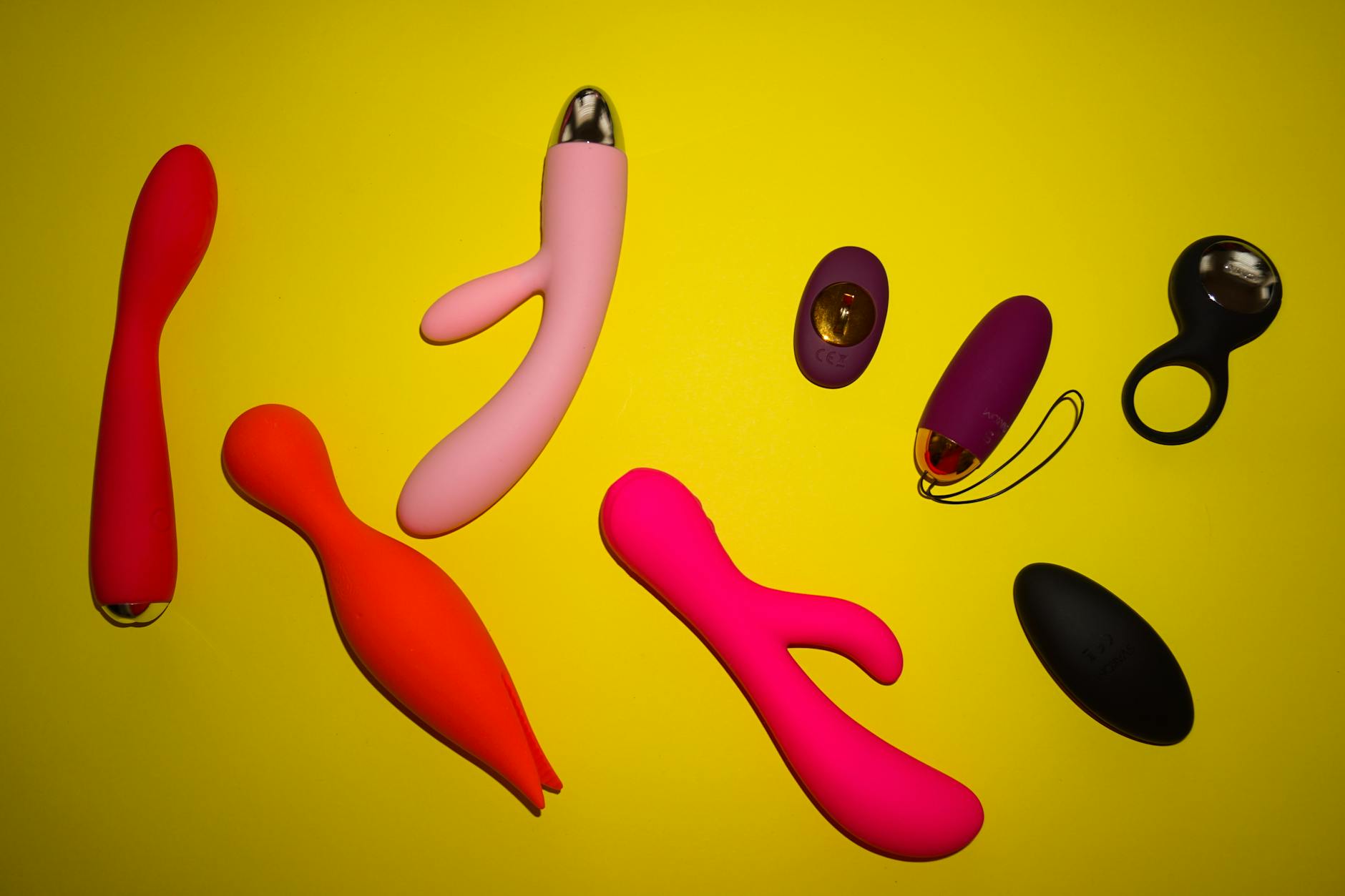
Photo by DRT.fm on Pexels
Timing and rhythm matter more than you think
With reactive desire, spontaneity isn't your friend. Rhythm is. Your nervous system likes predictability. When your partner knows that you'll have time together on a certain night, and you know you'll use the vibrator to get there, the anxiety drops. Your body stops bracing. Arousal becomes easier.
Also. Orgasm doesn't have to be the finish line. Some people with reactive desire find that using the lemon vibrator for 10 to 15 minutes and then switching to partnered touch is perfect. You're already aroused. You're already present. You've already crossed the gap. What comes next is just momentum.
Common roadblocks and how to move past them
"It feels like cheating if I need a vibrator." You're not cheating. You're learning how your body works. A lemon vibrator is context, not competition.
"My partner thinks it means they're not enough." This conversation needs to happen outside of sex. Explain reactive desire. Show them the research. If they're still struggling, that's a relationship issue, not a vibrator issue. A marriage counselor is more useful than any toy.
"I feel like I should want sex more often." Reactive desire people often have lower baseline desire. That's fine. You're not broken. You're just not constantly scanning for sex. When conditions are right, you're fully there. That's actually ideal.
"It takes forever to get aroused." It might. Or you might get there faster with consistent, predictable stimulation than with the pressure of spontaneous arousal. Give it three or four times before you decide.
Why this matters beyond sex
Accepting your reactive desire pattern is accepting how your nervous system works. It's not just about orgasms. It's about removing shame from your body. It's about building a sexual life that doesn't feel like a constant negotiation or a failure state.
Many of my clients find that once they accept reactive desire, sex becomes better. Easier. More connected. Because they're not fighting their own physiology. They're working with it.
A lemon clitoral vibrator is part of that. Not the whole thing. But a genuinely useful part.
People also ask
What's the difference between reactive desire and low libido?
Low libido means you rarely want sex, even with stimulation. Reactive desire means you don't want sex until something pleasurable is happening. The difference is real. With reactive desire, once you're engaged, arousal builds normally. With low libido, arousal stays low even with stimulation. If you're using a lemon vibrator and you get turned on pretty quickly once it's going, you likely have reactive desire, not low libido.
Can you train your body out of reactive desire?
Not really, and you shouldn't try. Reactive desire isn't a problem to fix. It's a pattern to understand. What you can do is get better at recognizing when conditions are right for arousal. You can communicate more clearly with partners. You can build rituals that help your body know what's coming. But the fundamental way your nervous system works probably won't change much. And that's okay.
Is reactive desire more common in women?
Yes, statistically. But plenty of men have reactive desire too, and plenty of women have spontaneous desire. It's not gendered, even if the numbers skew. What matters is knowing which one fits you, not assuming based on gender.
Should I use a lemon vibrator every time I have sex if I have reactive desire?
No. Some people find that after consistent partnered sex, their body starts to build arousal a bit faster. Others find they always need a bit of external stimulation. Both are normal. Use the vibrator when it helps. Skip it when you don't need it. You're the expert on your own body.
How do I tell my partner I have reactive desire?
Simply. "My body doesn't get aroused spontaneously. I need touch or stimulation to get there. Once I'm there, I'm completely into it." That's it. If your partner responds with shame or rejection, that's a sign to talk to someone about relationship dynamics. You deserve a partner who gets this.
Does reactive desire mean I don't love my partner?
Absolutely not. Desire is separate from love. You can be deeply in love and still have reactive desire. You can want to have sex with your partner and still not want it spontaneously. Love is about choice and commitment. Desire is about arousal patterns. They're different things.
The bottom line
Reactive desire isn't something you need to overcome. It's something you need to understand and build your sex life around. A lemon vibrator is one tool that makes that easier. It gives your body the input it needs to warm up. It removes the pressure of spontaneity. And it lets you actually enjoy sex instead of feeling anxious about whether you want it enough.
If you're struggling with reactive desire, start with a partner conversation about how your body works. Then give yourself permission to use tools that help. Your pleasure matters. And it matters on your body's timeline, not someone else's.
Questions about how lemon vibrators work with your specific pattern? Reach out. We're here to help.