
Let's name what's actually happening
Sensation gets quieter after 40. Not gone. Quieter. The nerves in your clitoris don't disappear, but the skin around them does thin slightly, and the nerve endings become less reactive to the kind of light touch that used to send electricity through your body. Hormonal shifts (whether from perimenopause, thyroid changes, or just the natural aging of nerve tissue) play a role. So do years of the same stimulation pattern, medication side effects, stress, and reduced blood flow from sitting at a desk eight hours a day.
Here's the thing nobody tells you: this isn't permanent, and it's not a sign that pleasure is ending. It's a signal that your body needs different input to feel the same sensation.
Why numbness happens specifically after midlife
There are several overlapping reasons why sensation often dulls around 40 and beyond.
Nerve sensitivity shifts. The clitoris has roughly 8,000 nerve endings. They don't age uniformly. Some become less responsive to light, repetitive stimulation. Your brain actually adapts to the sensation you receive most often, which is why the same vibration pattern that felt electric at 25 might feel like background noise at 45.
Hormonal changes compound it. Estrogen supports nerve growth and blood vessel health. As estrogen declines (even if you're not officially in menopause), the tissue becomes slightly thinner and less vascularized. This means less blood flow to the nerve endings and slower arousal buildup.
Medications matter more than you think. Antidepressants, blood pressure meds, antihistamines, and even some thyroid medications can dull sensation. If you've started something new in your 40s, check the side effects. Many people blame menopause when actually their medication changed their baseline sensitivity.
Pelvic floor tension masks sensation. When your pelvic floor is chronically tight (from stress, poor posture, or years of kegels done incorrectly), you're essentially numbing yourself from the inside. The tension compresses the nerves and blood vessels, making even strong stimulation feel muffled.
Why lemon suction works better than vibration for numb sensation
This is the practical pivot. Traditional vibration relies on frequency and speed to stimulate. When your nerve endings are less reactive, a faster vibration doesn't help you feel more. It just feels more intense, which can hurt.
Lemon clitoral vibrators use suction instead. Suction creates a gentle pressure and release cycle that works differently than vibration. It draws blood into the tissue, which wakes up the nerves from the inside. It also stimulates a broader area at once, rather than a single point of contact, so even if some nerve endings are sluggish, others pick up the signal.
The science here is straightforward. Suction increases blood flow and stimulates the whole vulva, not just the tip of the clitoris. For people with reduced sensation, that distributed stimulus is often more effective than a focused vibration.
How to rebuild sensation in three practical steps
Step 1: Start with extended warm-up time. Sensation takes longer to build after 40. Budget 20 to 30 minutes instead of 10. Use the first half to explore your body with your hands, a partner's hands, or a softer toy. Get your blood flowing. Take a warm bath beforehand if you can. This isn't wasted time. This is the work.
Step 2: Begin on the lowest setting. With a lemon clitoral vibrator, start on pattern 1 or 2 and stay there for at least five minutes. Let the sensation accumulate. Resist the urge to turn it up quickly. Many people find that their arousal and pleasure actually peak at medium or lower settings once they give the body time to respond.
Step 3: Map your sensitivity. Every person's nerve endings respond differently. Some find the suction works best directly on the clitoris. Others prefer it slightly off to one side, or on the lower part of the clitoral hood. Spend a week exploring different angles and patterns without a goal of orgasm. Just notice where you feel it most.
The role of pelvic floor release
You can't rewaken sensation if your pelvic floor is clenching. Kegels are helpful for some people, but if you've been doing them for years, you might actually have the opposite problem: a floor that's too tight.
Try this instead. During your warm-up, before you use a lemon vibrator, place two fingers inside your vagina and feel for tightness. If you can't relax that area even when you consciously try, work on release first. This means deep breathing, gentle stretching, and sometimes professional help from a pelvic floor physical therapist.
When your pelvic floor relaxes, sensation returns almost immediately. This is one of the fastest wins you can get.
Timing matters: arousal cycle vs. hormonal cycle
If you're still cycling hormonally (not yet through menopause), your sensation will naturally vary across your cycle. You might feel more sensation in the follicular phase (first half of your cycle) than the luteal phase. This is normal. It's not numbness. It's just rhythm.
Work with your cycle rather than against it. If sensation feels particularly muted during the second half of your cycle, that's when you might extend your warm-up even longer or spend more time on lower settings before ramping up. Some people find that using a lemon clitoral vibrator feels most rewarding during their most sensitive week.
When numbness signals something else
If sensation is completely absent (not just dull, but genuinely nothing) across multiple sessions and multiple settings, that's worth checking with a doctor. Numbness can sometimes indicate nerve damage from diabetes, vitamin deficiencies, or neurological changes that need attention.
But most of the time, what people call numbness after 40 is just reduced reactivity to familiar input. It's not damage. It's adjustment. And adjustment is fixable.
The pleasure payoff
Here's what I've seen repeatedly in my work with couples navigating midlife transitions. The people who expect pleasure to stay the same as it was at 25 struggle. The people who get curious about what their body needs now often discover that their best orgasms come after 40, once they stop chasing what used to work and start listening to what works now.
Using a lemon suction vibrator with intention, patience, and a willingness to slow down isn't a compromise. For many people, it's a upgrade.
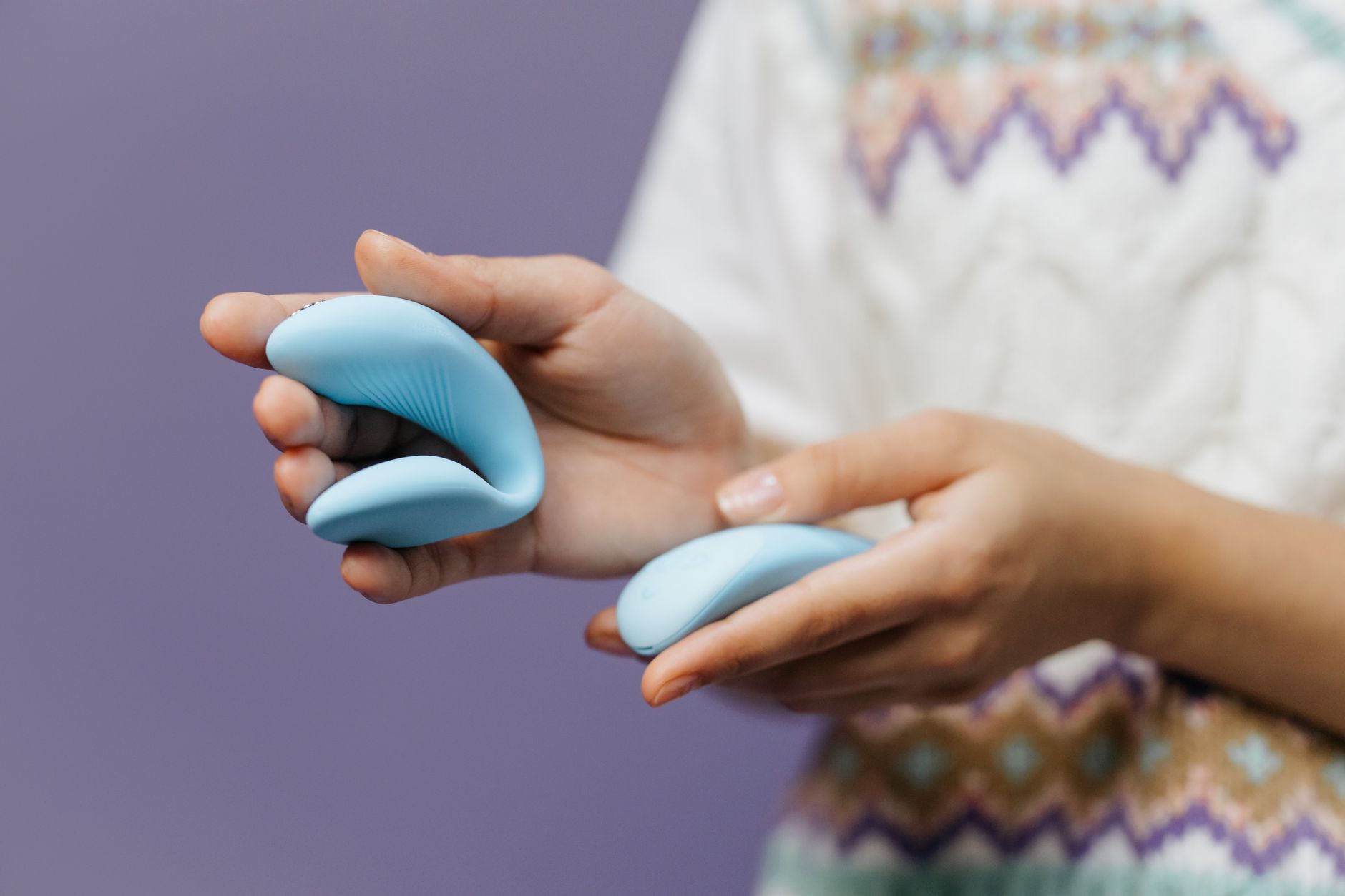
Photo by cottonbro studio on Pexels
Frequently asked questions
Does numbness after 40 mean I'm losing my capacity for orgasm?
No. Numbness means you need different input, not that the outcome has changed. Many people have their strongest orgasms after 40 once they find the right tool and technique. A lemon clitoral vibrator is often that tool because suction reactivates sensation without relying on speed or intensity.
Can I use a traditional vibrator if I have numb sensation?
You can, but suction tends to work better. Traditional vibrators rely on frequency, and frequency alone doesn't help if your nerves are less reactive. Suction draws blood into the tissue and stimulates a broader area, so even reduced sensation usually picks it up. That said, some people use both. Start with suction, then use a traditional vibrator if arousal has already started building.
How long does it take to feel sensation return?
It varies. Some people feel a difference in one or two sessions. Others need two to four weeks of consistent, patient use before sensation really wakes up. The key is consistency and extended warm-up time. Don't expect it to happen if you're spending five minutes and then turning it up to maximum intensity.
Is reduced sensation after 40 a menopause symptom?
It can be, but not always. Perimenopause and menopause do reduce sensation because estrogen drops and tissue thins. But numbness and reduced sensitivity can also come from medication, stress, pelvic floor tension, reduced blood flow, or just the natural way nerve endings respond to repeated stimulation over decades. If you're concerned about menopause symptoms specifically, check with your doctor. If it's just sensation, a lemon vibrator usually helps regardless of the root cause.
Should I see a doctor about numbness?
If sensation is completely absent even after several weeks of consistent use, or if numbness is paired with pain, tingling, or other new symptoms, yes. That's worth a checkup. But mild numbness or reduced sensitivity after 40 is so common that most doctors will simply confirm it's normal and suggest exactly what this article does: extended foreplay, a different tool, and patience. A pelvic floor physical therapist can also be helpful if you suspect your pelvic floor is too tight.
Can I regain sensation if I've never had good sensation to begin with?
Yes, with a caveat. If you've always had difficulty with sensation, a lemon clitoral vibrator can still help, but you might also benefit from pelvic floor work, a consultation with a sex therapist, or both. Sometimes numbness is physical. Sometimes it's neurological. Sometimes it's psychological (anxiety, past trauma, low confidence). A lemon vibrator handles the physical part. The rest might need other support.
The bottom line
Sensation after 40 isn't ending. It's changing. A lemon clitoral vibrator, used with patience and the right warm-up ritual, often brings feeling back to levels you thought were gone. The key is slowing down, starting low, and trusting that your body still knows how to respond. It just needs different input than it used to.
If you're curious about how lemon suction vibrators compare to traditional toys, we've covered that elsewhere. You might also find it helpful to read about how pelvic floor tension changes sensation or easing back into pleasure after a long break. Start where you are, listen to what your body tells you, and know that pleasure gets better, not worse, when you stop fighting what's natural and start working with it.
Have questions about which tool is right for you, or how to get started? Reach out anytime.