The thing about depression and desire
Depression doesn't just make you tired. It erases pleasure at the nervous system level. Touch feels numb or distant. Your body forgets what arousal even feels like. When therapists or partners say "just try when you're ready," they're not lying, but they're also not accounting for the gap between readiness and capacity. Your brain wants to reconnect with intimacy. Your body hasn't gotten the memo yet.
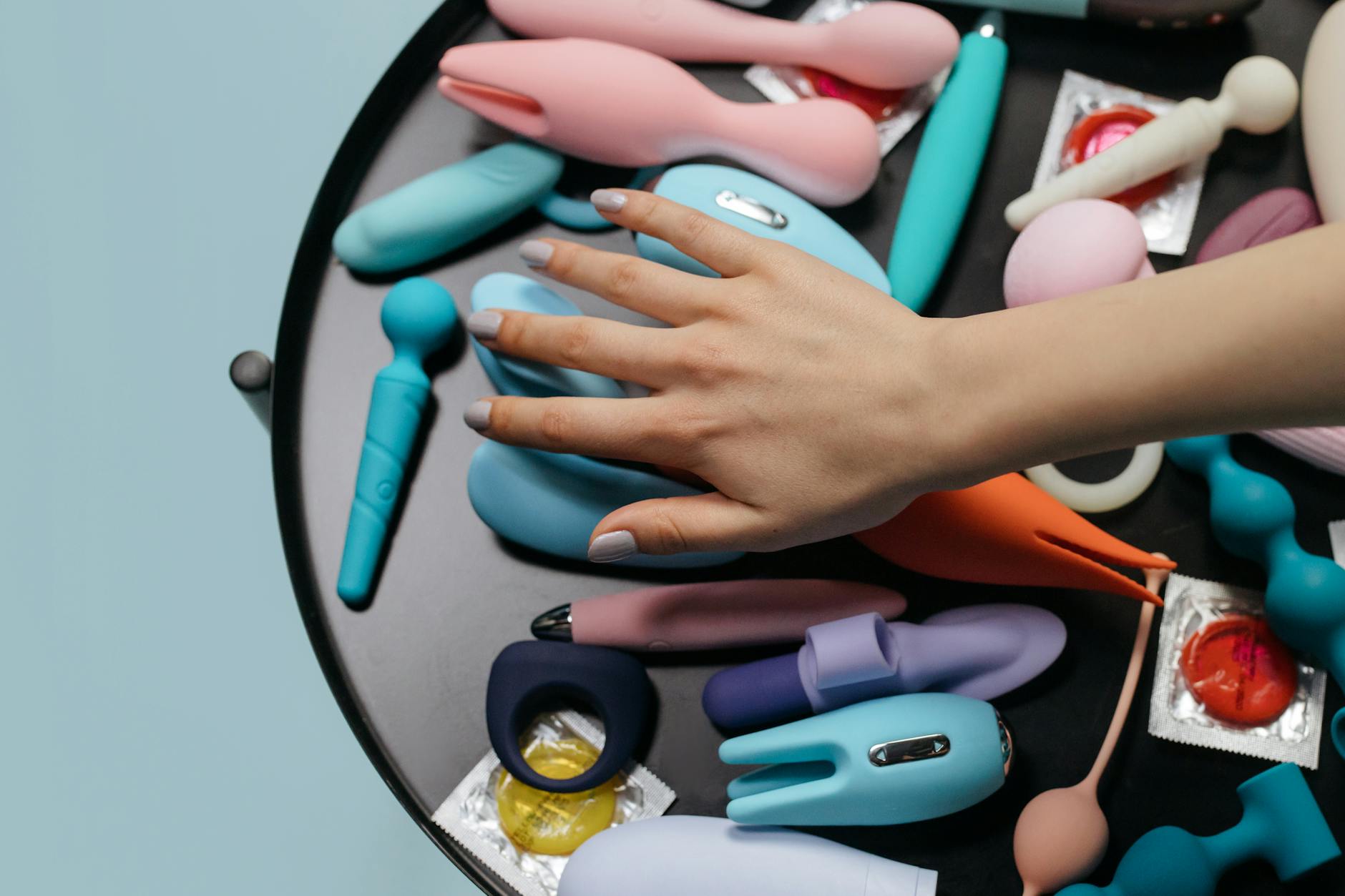
Here's what I've seen work: lemon vibrators bridge that gap. Clitoral suction toys specifically sidestep the shame and performance pressure that depression leaves behind. They don't require you to feel desire first. They create the conditions for it.
Why depression tanks desire in the first place
Depression doesn't just affect mood. It floods your brain with neurochemicals that shut down the reward system. Dopamine drops. Serotonin stalls. The neural pathways that usually light up during arousal go quiet. You're not broken. You're not less interested in sex because you've changed as a person. Your brain chemistry has shifted, and chemistry doesn't care about willpower.
When you layer in shame ("I should want this," "My partner is frustrated," "There's something wrong with me"), arousal becomes even more unlikely. Depression + guilt is a one-two punch that keeps pleasure locked away.
Another piece: physical numbing. Depression often comes with a dissociative quality. You feel like you're watching your life from behind glass. Touch can feel weird or intrusive rather than good. Some people describe it as feeling touch but not really feeling it—like the signals aren't arriving at the right place in your brain.
Why lemon vibrators work when other approaches stall
Lemon vibrators, particularly suction-based toys like the Lem, work because they don't ask you to feel desire first.
Here's the mechanism: suction stimulates thousands of nerve endings in concentrated patterns. You don't need arousal to be present for the sensation to register. You don't need to want it. You just need to try it. The vibrations themselves often create arousal from the ground up, rather than requiring arousal to arrive before you use the toy.
That's the opposite of what depression demands. Depression says "prove you want this first." The Lem says "let's see what happens." That permission matters.
Second, clitoral suction toys sidestep performance. They don't require a partner present. They don't require you to "keep up" or reciprocate. You're not managing someone else's pleasure or timing. There's no audience, no proving anything. That absence of social pressure often unlocks what medication and therapy haven't touched yet.
Third, lemon suction vibrators are specific enough to work for numb tissue but gentle enough to respect oversensitivity. Depression can make nerves raw or dull at the same time. A toy that lets you dial the intensity down to the gentlest setting, then slowly build, meets you in that contradictory place.
Starting back when you're still in the fog
If you're still on antidepressants or early in recovery, the stakes feel high. You're worried about failure, about your partner's reaction, about what it means if this doesn't work. Let's unpack that.
First, this is not a test. If you use a lemon clitoral vibrator once and nothing happens, that's not failure. Depression recovery isn't linear. Some days the numbness lifts a little. Some days it doesn't. The tool (whether it's the Lem or therapy or medication adjustments) is supposed to increase your odds, not guarantee a specific outcome.
Second, timing matters wildly. If you're exhausted, anxious about something unrelated, or in a stressful relationship moment, your nervous system isn't ready. That's not weakness. It's just biology. The best time to reconnect with a clitoral vibrator is when you have some small amount of physical safety and mental space. Not when you're managing someone else's impatience.
Third, go solo first. I mean that literally. Partner sex can happen later. Right now, you're gathering data about what your body can still do. A lemon vibrator with no one watching, no one expecting anything, no one disappointed if nothing happens. That's your laboratory.
Here's a concrete approach: pick a time when you have 30 minutes alone and you're not running toward anything (not showering before work, not on a tight schedule). No expectation of orgasm. The goal is sensation, not outcome. Lie down somewhere comfortable. Start at the lowest setting on the lemon suction toy. Notice what you feel. Nothing? That's information. A little tingle? That's already progress. If you feel like stopping at any point, stop. This isn't an endurance test.
The conversation to have with your partner
If you're in a partnership, this matters more than the mechanics of the toy.
Depression often creates a secondary relationship problem: resentment on both sides. Your partner feels rejected. You feel guilty. Neither of those emotions is wrong, but they create a wall. Many couples I work with try to jump straight back into sex without naming what happened to desire in the first place.
Before you use a lemon clitoral vibrator with your partner present, you need a conversation that sounds something like this: "I'm starting to reconnect with my body. This isn't about you or something you did. Depression turned off parts of me that are still coming back online. I want to rebuild this together, but I need it to happen at a pace that doesn't feel like pressure. Some days will be better than others."
The conversation is not about promising sex. It's about naming the transition. Your partner needs to understand that depression isn't the same as a dead relationship. It's temporary, even when it feels permanent.
Then, if you do decide to use the Lem together, reframe it. It's not "I need this because my desire is broken." It's "I want to explore this together as part of me finding my way back." That tiny reframe shifts everything from shame to collaboration.
Physical things that help the reconnection
A few concrete adjustments make it easier:
Water-based lubricant is non-negotiable, even if you don't think you need it. Depression often comes with physical tension and reduced natural lubrication. A good lube removes friction that can feel uncomfortable or jarring.
Start low and go slower than you think. The gentlest setting on a clitoral vibrator is genuinely gentle. You can always dial it up. You can't un-feel overstimulation.
Warmth helps. A warm shower or bath before exploring with a lemon vibrator relaxes muscle tension that depression leaves behind. A warm blanket while lying down creates a container of safety.
Time without agenda is foundational. "I have 30 minutes and nothing else is happening" is different from "I squeezed this in between things." Your nervous system knows the difference.
When you're not ready yet, and that's okay
Some people try reconnecting with a clitoral vibrator and realize they're not there yet. The numbness is still too thick. The shame is still too loud. The relationship dynamics haven't shifted enough. That's not failure. That's honest information.
If that's where you are, keep talking to your therapist or doctor about whether your current treatment plan is working. Sometimes you need a medication adjustment. Sometimes you need to process the relationship stuff first. Sometimes you need more time.
Lemon vibrators and clitoral suction toys are tools. They work really well for some people at certain points in recovery. They don't work for everyone, and they don't work at every stage. The goal isn't to force yourself back into pleasure. It's to gently expand what's possible as your brain chemistry stabilizes.
FAQ: Rebuilding Intimacy After Depression
How long after starting antidepressants can I expect desire to come back?
It varies wildly. Some people feel a shift in 2-4 weeks. Others take 8-12 weeks. And some people find that the medication stabilizes mood but flattens desire as a side effect, which requires a conversation with their doctor about switching or adjusting dosage. The key is not to panic at month three. Brain chemistry is slow.
Is it normal to feel guilt when reconnecting with pleasure after depression?
Completely. Depression often comes packaged with the belief that you don't deserve pleasure, that your body is wrong, or that you've damaged the relationship beyond repair. Those thoughts are symptoms, not truth. As your nervous system settles, that guilt often lifts. But naming it helps. You might say to yourself: "This guilt is old. It made sense when my brain was dysregulated. I'm safe to feel good now."
Can I use a lemon vibrator if I'm still numb?
Yes. In fact, that's often the best time to try one. Suction-based clitoral vibrators work because they stimulate sensation directly, without requiring arousal or feeling to be present first. Numbness doesn't disqualify you. It's often exactly why these toys help.
Should I tell my partner I'm using a lemon vibrator to reconnect?
That depends on your relationship agreements. If you have a closed partnership with transparency about solo pleasure, yes. If you have a don't-ask-don't-tell arrangement, follow that. What matters more is that you're gentle with yourself and clear about why you're doing this. You're gathering data. You're healing. That's not deceptive. It's self-care.
What if lemon vibrators don't help and desire still doesn't return?
That means you might need to adjust your approach. Sometimes it's a medication timing issue (using the vibrator at a different time of day helps). Sometimes the relationship dynamics need attention first. Sometimes you need more time. A sex therapist or couples counselor who understands depression is worth consulting if desire isn't returning after a few months of stability.
Can using a lemon clitoral vibrator make things awkward with my partner later?
Not if you're honest about it. In fact, reconnecting with your own pleasure solo often makes partnered sex easier and hotter because you remember what you like. You know what works. You can guide your partner. That clarity usually strengthens intimacy rather than threatening it.
The permission you need
Here's what I'd say if we were talking in person: reconnecting with pleasure after depression is not selfish. It's not rushing. It's not skipping the important emotional work. It's taking care of yourself as your brain heals. A lemon vibrator or any clitoral suction toy is a tool that meets your body where it actually is, not where guilt or pressure says it should be.
Your desire will come back. Not on a schedule. Not on command. But as your nervous system settles and shame loosens its grip, sensation returns. You deserve that. Your pleasure matters, not because it fixes your relationship or proves you're fine, but because you're worth feeling good.
When you're ready to explore this, the tools are here. No pressure. No timeline. Just a gentle path back to yourself.