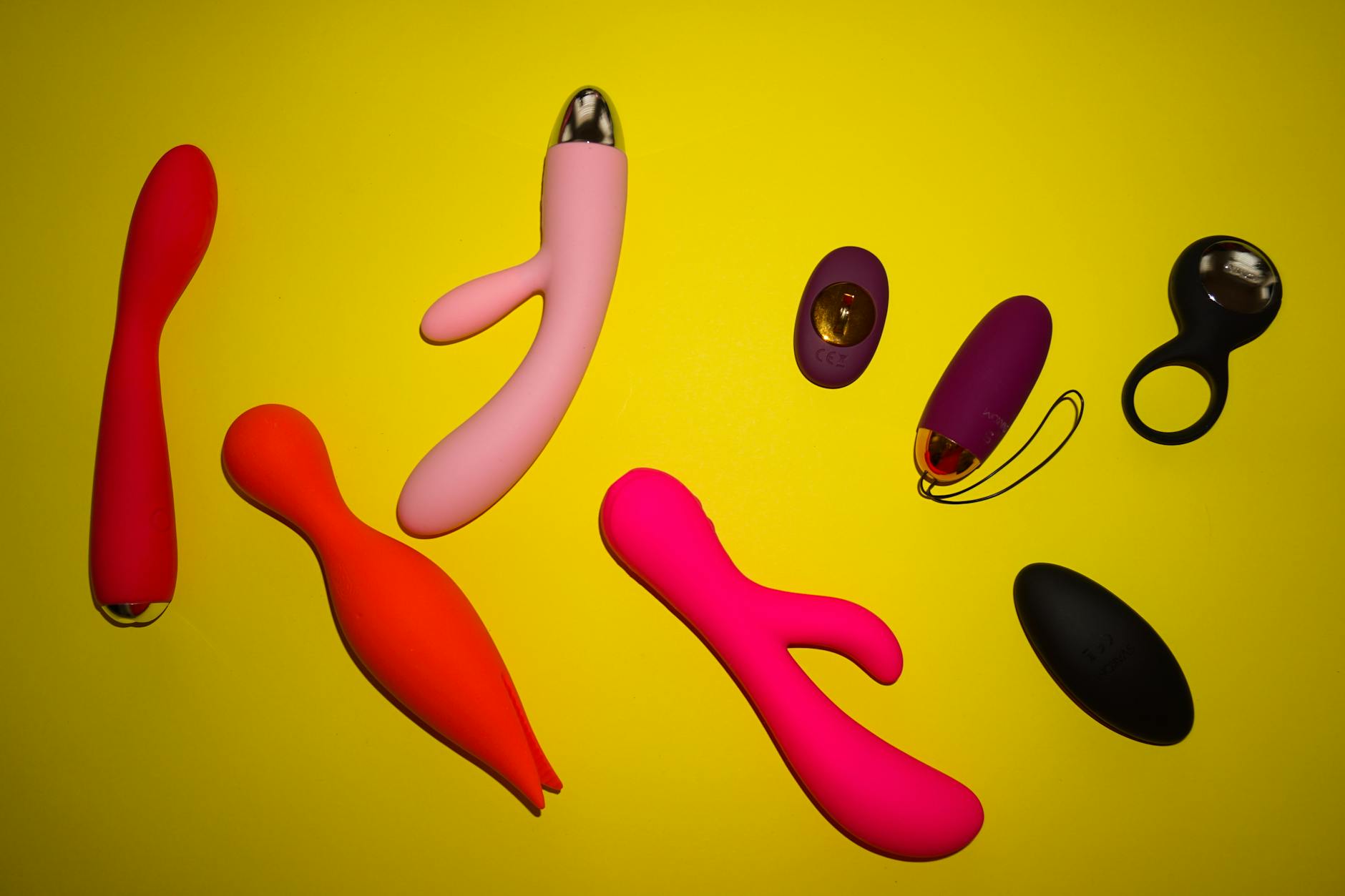
Here's the thing about aging and lubrication
Your body doesn't stop producing lubrication. It just produces less of it, and less consistently. This shift usually starts in your late 30s or 40s and deepens over time. It's not a sign something's broken. It's a normal physiological change that happens to almost everyone with a vulva. And honestly? It's completely workable.
The problem isn't the change itself. The problem is that most people don't adjust their approach, and then they assume pleasure is declining when really they just need different tools.
Why lubrication shifts as you age
Estrogen is the main driver here. As estrogen levels fluctuate during perimenopause or drop after menopause, vaginal tissue becomes thinner and produces less natural lubrication. This is called genitourinary syndrome of menopause or GSM when it's severe. But even if you're not in menopause, natural lubrication can decrease gradually with time, stress, medication, or hormonal shifts unrelated to menopause.
The tissue also becomes less elastic. That matters because reduced elasticity plus reduced lubrication can make friction-based stimulation uncomfortable or even painful. This is where understanding your lemon vibrator becomes genuinely important.
Why lemon clitoral vibrators are different
Most vibrators use vibration alone. A lemon vibrator uses suction. This is a crucial distinction when tissue is drier because suction doesn't rely on friction the way traditional vibration does.
Here's the difference in action: A standard vibrator bounces against tissue, which can feel harsh or uncomfortable if natural lubrication is low. A lemon suction vibrator creates a gentle pulling sensation that stimulates the clitoris without the same mechanical pressure. Think of it like the difference between rubbing your arm briskly and creating a gentle vacuum over the same spot. One requires the surface to be slick. The other works regardless.
This is why many people report that switching to a lemon clitoral vibrator after years of traditional toys actually restores pleasure they thought was disappearing.
How to prepare your body for lemon vibrator use
Three practical steps before you start:
Use external lubrication. I know, I know. You might feel like you "should" be producing enough on your own. Forget that. External lubricant isn't a failure. It's a tool. A water-based lube works best with most toys because silicone-based lubes can degrade silicone. Apply it generously around the clitoris and external area before using your lem vibrator. The suction works better with a tiny bit of moisture on the tissue.
Warm up longer than you used to. Arousal takes more time as lubrication decreases. Budget 15 to 25 minutes of foreplay or solo touch before introducing your lemon sexual toy. This gives your body time to produce what natural lubrication it can and helps tissue swell slightly, making the suction sensation more pronounced.
Start on a lower setting. Most lemon vibrators have multiple intensity levels. Start at setting 1 or 2 and gradually work up. There's no prize for going immediately to maximum intensity. Especially with thinner, drier tissue, lower intensities often feel better and let you build sensation gradually.
The role of pelvic floor tension
When lubrication decreases, the pelvic floor often tightens in response. It's a protective reflex. But tension makes everything feel tighter and less elastic. This can actually reduce sensation and make penetration or stimulation uncomfortable.
Before using your lemon vibrator, spend two to three minutes consciously relaxing your pelvic floor. Think of breathing into your pelvic area. Imagine the muscles softening. Some people find it helpful to place a hand on their lower belly and breathe slowly. If you have severe pelvic floor tension, a pelvic floor physical therapist can teach you specific relaxation techniques that change the game.
When your pelvic floor is relaxed, the suction from a lemon clitoral vibrator feels deeper and more pleasurable. It's the same toy, but the sensation is measurably different.
How suction adapts to reduced lubrication better than vibration
Here's the physiological reason why suction works so well when natural lubrication is lower: vibration depends on tissue elasticity and moisture to distribute the stimulation evenly. Without those, vibration can feel like tapping. Suction, on the other hand, concentrates stimulation on the clitoral tissue and the sensitive area around it. It creates a seal and a gentle pulling sensation that doesn't require the same level of natural lubrication to feel amazing.
In clinical observation and user reports, people who switch to lemon suction vibrators after years of traditional toys often say it's the first time they've had intense pleasure after noticing lubrication changes. This isn't placebo. It's a mechanical advantage.
The lube conversation
Water-based lubricant designed for use with toys is your friend. Brands marketed for sensitive skin are often better because they don't include numbing agents or glycerin that can irritate thinner tissue. Apply it directly to the external area and to the Lem vibrator itself before use.
Reapply during use if it dries. Lubrication doesn't have to last the entire session. If you're using your lemon vibrator for 15 minutes and it dries after 10, that's fine. Just add more and keep going.
Silicone-based lubricants feel luxurious and last longer, but they can degrade silicone toys over time. If your lemon vibrator is silicone, stick to water-based. If you have a partner, water-based lube also works well for partnered sex, so it's worth having on hand regardless.
Tissue health and sensation recovery
One surprising thing happens when you use external lubrication consistently with a tool like a lemon clitoral vibrator: tissue health often improves. Regular stimulation, even with external lubrication, can improve blood flow to the tissue and actually increase natural lubrication production over time.
I don't mean it will return to what it was 20 years ago. But many people notice a modest improvement after two to four weeks of regular use. This is especially true if lubrication loss is recent rather than long-standing.
If you're in perimenopause or menopause, talk to your doctor about topical estrogen creams designed for vaginal use. They're low-dose, have minimal systemic absorption, and can improve tissue quality significantly. Using them alongside a lemon vibrator creates an even better experience.
When to see a specialist
If lubrication loss is severe enough to cause pain, or if it came on suddenly alongside other symptoms, get it checked. Genitourinary syndrome of menopause is real and treatable. So are thyroid issues, medication side effects, and other conditions that can reduce lubrication. A gynecologist can rule these out and offer targeted solutions.
You don't have to white-knuckle through discomfort hoping it improves. Real interventions exist.
How partners fit into this
If you have a partner, this is worth a direct conversation. "My body is producing less lubrication as I age, so we'll need to use external lube going forward" is information, not a problem announcement. Many partners are genuinely relieved to know what's happening and how to help.
If your partner is a penetrative partner, this conversation is especially useful because reduced lubrication affects both of you. Having water-based lube accessible during sex becomes practical infrastructure, not a special accommodation.
The pleasure part
Here's what I want you to know: reduced lubrication does not mean reduced capacity for pleasure. It means adjusted technique. And adjusted technique, once you find what works, often reveals sensations you didn't know existed. Many people report that after lubrication changes, orgasms feel different. Sometimes more localized. Sometimes more intense. Always different.
A lemon vibrator, with its suction-based design and the right external lubrication, is specifically built for bodies with these changes. It's not a workaround. It's a match.
FAQ
How much lubrication should I use with my lemon vibrator?
Enough to create a light seal between the toy and your skin. You're not aiming for visibly wet. You're aiming for a slight moisture layer. Think of it like moisturizing your skin. A little goes a long way, and more doesn't equal better. Most people use about a quarter-size amount on and around the clitoris. You can always add more mid-session.
Can hormonal therapies help with lubrication, or is external lube the only option?
Hormonal therapies can absolutely help. Topical estrogen creams applied vaginally two to three times a week can improve tissue quality and lubrication production. Systemic hormone therapy, if you're on it for other menopause symptoms, can also improve lubrication. But these take weeks to show effect. External lubrication works immediately and is always a useful part of the toolkit, even if you're also using hormone therapy.
Does using lube with a lemon vibrator reduce sensation?
No. It actually improves it. Without lube on drier tissue, sensation often feels dulled or uncomfortable. With lube, the suction sensation from a lemon clitoral vibrator becomes more pronounced because you're not fighting friction or discomfort.
Should I use lube during partnered sex but not during solo use?
Use it whenever it helps. Some people prefer external lube solo. Some prefer it only with partners. Some find that using it during solo play actually trains their body to relax more, which improves partnered experiences too. There's no rule. Use what makes it feel better.
Is reduced lubrication a sign of low desire or arousal issues?
Not necessarily. Lubrication can decrease due to age, hormones, medications, or tissue changes completely independent of how much desire you have. You can be extremely aroused and still have less lubrication than you did 10 years ago. That's why external lubrication is so useful. It separates the desire question from the lubrication question.
How often should I use my lemon vibrator if lubrication is low?
Regular use is actually beneficial for tissue health. Using your lemon sexual toy two to four times a week can improve blood flow to the tissue and gradually improve natural lubrication production. If you're using it with external lube, consistency tends to help more than occasional intensive sessions.
The bigger picture
Lubrication changes with age. Your pleasure doesn't have to. A lemon vibrator, used with the right approach and external lubrication, is specifically designed for exactly this shift. It's not a compromise. It's a tool built for your body as it actually is right now.
If you're noticing lubrication changes and haven't adjusted your approach yet, try it. Get a good water-based lube, set aside time for a longer warm-up, and start your lemon clitoral vibrator on a lower setting. Most people notice a significant difference immediately.
Your pleasure matters at 25 and at 55. The only thing that changes is how you access it. That's worth getting right.
If you have questions about technique or want to explore other approaches, we're here to help. Reach out at /contact.