Here's what nobody tells you about desire timing
One partner wakes up ready to go. The other doesn't hit that groove until late evening. Or one of you feels desire spontaneously; the other needs 20 minutes of context and touch to get there. This isn't a mismatch problem. It's just biology and personality meeting in a relationship.
The real problem starts when you treat timing differences like a flaw instead of a pattern you can work with. I see couples blame themselves for "not being on the same schedule" when what they actually need is a different conversation about how desire actually works for each of them.
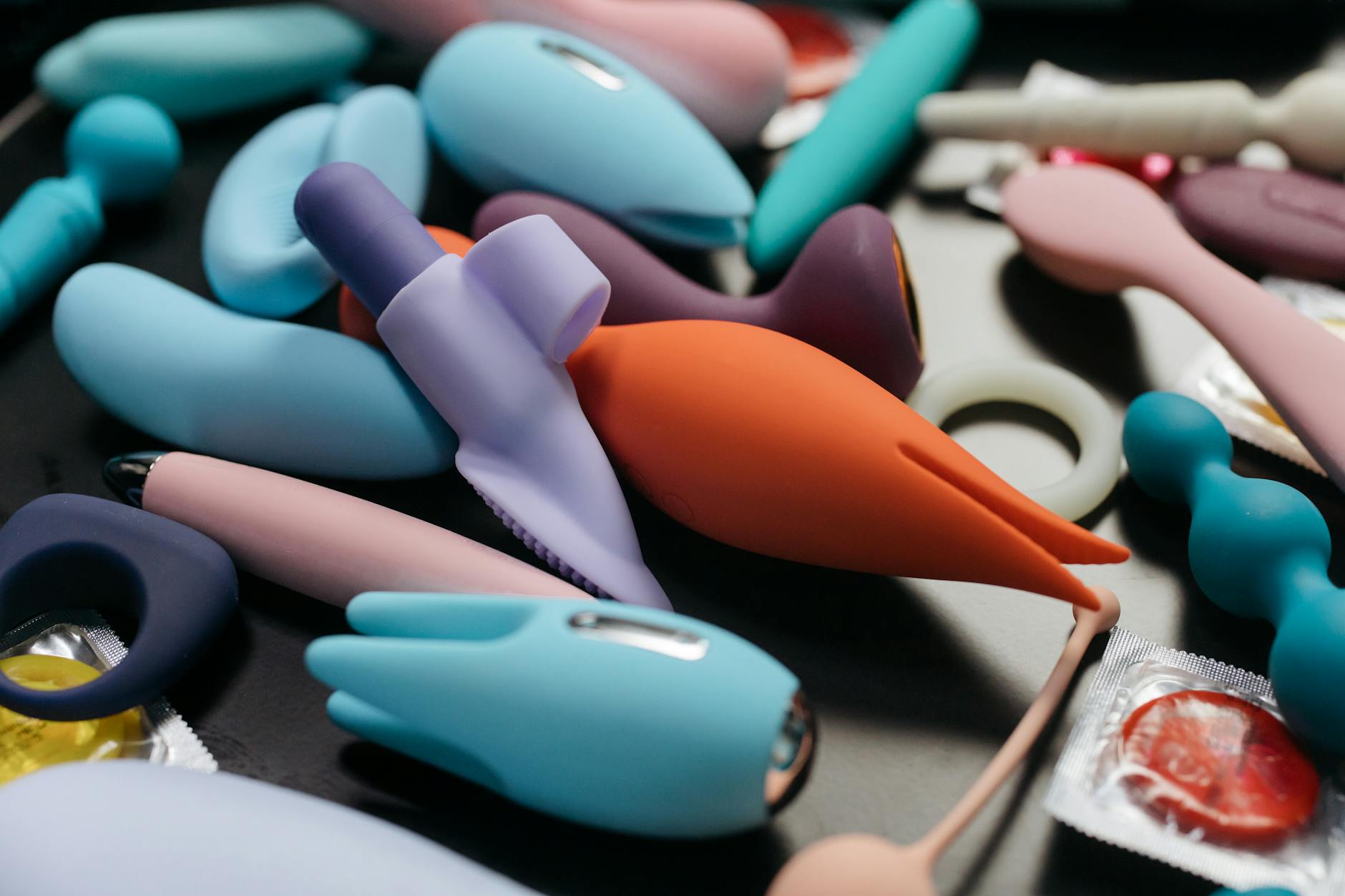
Lemon vibrators, specifically the suction-based design of clitoral vibrators like the Lem, change this dynamic because they let one partner experience pleasure on their own timeline while building anticipation for shared time. That's the practical magic we're exploring here.
Why desire timing gets out of sync in the first place
Two things are happening. First, the physiological piece. Testosterone peaks at different times for different people. For people assigned male at birth, it typically spikes in the morning. For people with vulvas, testosterone fluctuates across the menstrual cycle if they menstruate, and for post-menopausal folks, it's often lower overall but tends to spike in the evening. This is not ideology. This is endocrinology.
Second, the lifestyle piece. One partner might need physical tiredness to sleep, so they want sex late. Another might be too mentally wired after work to access arousal until morning coffee hits. One person might need novelty and surprise. Another needs predictable routine.
Neither timing is wrong. They're just different. And when you're fighting that difference instead of adapting to it, you're burning energy that could go toward actual pleasure.
The conversation that changes everything
Before you reach for a lemon clitoral vibrator, you need this conversation. Not the resentful 2 a.m. one where someone says "you never want to have sex." The actual one.
Each of you answers three questions separately, then compares: When do you naturally feel most aroused during the day? What does your body need before you can access that arousal? And how much time does it typically take you to get there?
One partner might say: "I feel desire around 10 p.m. I need to have finished work and had some downtime. I need about 15 minutes of kissing before I'm fully in it." The other might say: "I feel desire around 7 a.m. I need to have had coffee and a shower. I can get aroused in about 5 minutes if there's touch involved."
That's not incompatible. That's data. And with data, you can plan instead of hoping.
Where lemon vibrators actually fit into this
Let's say one partner peaks at night and the other at morning. Instead of waiting for synchrony that might never happen, you create a rhythm. That person who feels desire in the morning uses a lemon sucker or other clitoral vibrator for solo pleasure during that window. Not as a replacement for partnered time. As their own experience.
This does something counterintuitive. Solo play doesn't replace couple time. It actually makes couple time better. Here's why: when one partner has been able to access pleasure on their own timeline, they show up to shared time without resentment. There's no "I've been waiting for you." There's just two people who've both had pleasure, now choosing to have it together.
The lemon clitoral vibrator works particularly well here because suction-based toys like the Lem don't require the same kind of partner coordination as other devices. A wand vibrator or traditional vibrator often works best with a partner's rhythm. The Lem works solo brilliantly because you control the suction entirely.
Three practical patterns that work
Pattern one: the morning person uses a lemon vibrator during their peak window (let's say 6-7 a.m.), solo. The evening person joins for partnered time later (maybe 9-10 p.m.). Neither is waiting around. Both feel satisfied.
Pattern two: you have "intentional time" scheduled once a week when you actually meet in the middle. You know it's coming, so you both can prepare mentally. That might be Sunday evening, 8 p.m., no kids, phones down. Outside that, you each honor your own timing.
Pattern three: one partner uses a lemon clitoral vibrator as foreplay for partnered sex. The morning person gets themselves partially aroused solo with the Lem, then the evening person joins in. You're both meeting the arousal curve at different points, and that's okay.
Managing the emotional layer
Timing differences get tangled up in rejection really quickly. "You don't want sex at my time" starts meaning "you don't want me." That's the leap that kills intimacy.
Here's the guard against that: separate the timing question from the desire question. "I want sex at 10 p.m. and you want it at 7 a.m." is a logistics problem. That's solvable. "You don't desire me" is an emotional problem, and mixing them up makes both worse.
When you're using lemon vibrators or other tools to honor both timelines, you're actually proving the opposite. You're saying: "Your pleasure matters enough that I'm not going to force you to wait for mine. And mine matters enough that I'm not going to suppress it for yours."
That's not compromise. That's respect.
When to add partnered play to solo play
Some couples do best with three categories of sex: solo, together, and hybrid (solo with the other person present). You might use a lemon clitoral vibrator solo one day, then use it with your partner present the next, then have sex without any toys the day after.
The key is consent and communication. "I want to use my vibrator tonight" shouldn't be a surprise or a source of shame. It's an invitation. Sometimes your partner will want to watch. Sometimes they'll read in the other room. Sometimes they'll touch you while you use it. All of that is normal and none of it is less intimate.
The practical setup
If you're using a lemon sucker or clitoral vibrator during a timing mismatch, a few things help. Lubrication matters even if you think you don't need it. Water-based lube makes the suction feel smoother and helps the seal. Set a timer if you need to. Some people worry they'll get too absorbed and mess up the rest of the day. A 15-minute timer means you get pleasure and still get to work on time.
Clean the toy after use. The Lem and other quality clitoral vibrators are easy to wash with warm water and a tiny bit of soap. That takes 30 seconds and makes the next experience better.
Store it somewhere that feels neutral to you both. Not hidden like it's shameful, not on the nightstand like it's the main event. Just somewhere accessible.
FAQ
What if my partner feels threatened by me using a vibrator?
That's a conversation, not a dealbreaker. Often the threat isn't really about the toy. It's about being left out or a fear that you prefer the toy to them. The answer isn't to hide the toy. It's to include them if they want that. Let them watch. Let them control the toy sometimes. Make it a shared experience instead of a solo secret. And if they're still uncomfortable, that's worth exploring with a therapist. Pleasure for both people matters.
Can I use a lemon clitoral vibrator if I have a low libido?
Yes. Lowered desire often responds better to novelty and reduced pressure. A lemon vibrator removes the pressure of trying to match your partner's timing. It also introduces sensory variety your body might respond to. Many people with low libido find that once they're allowed to experience pleasure without performance pressure, desire actually increases.
How often should I be using a lemon vibrator if my desire is mismatched with my partner's?
There's no "should." Some people use it several times a week. Others use it occasionally. The point isn't frequency. It's removing the pressure to be available on someone else's timeline while honoring your own arousal rhythm. Use it as often as feels good to you.
Does using a vibrator alone mean we have a problem as a couple?
No. Solo pleasure and partnered pleasure are different experiences. They serve different functions. Solo play lets you learn your own body without someone else's rhythm or expectations. That actually makes partnered sex better because you know what you like. Couples who can have both kinds of sex report more satisfaction overall.
What if we're both misaligned and we don't know how to fix it?
Start with the three-question conversation outlined above. Write down your answers separately. Compare them without defensiveness. Then pick one small adjustment. Maybe it's scheduling one intentional time per week. Maybe it's one partner using a lemon clitoral vibrator on their peak day. One adjustment, see how it goes, then add more. Change happens in steps, not all at once.
Can lemon vibrators actually help us feel closer if we're having timing mismatches?
Yes, paradoxically. When both people feel like their pleasure matters, resentment drops. When you're not waiting around for sex that might not happen, or pressuring a partner into sex before they're ready, the whole dynamic shifts. A lemon sucker or other clitoral vibrator becomes less about the tool and more about saying: "Your pleasure is important. Mine is too. Let's honor both."
The real point
Desire timing mismatches are wildly common. Like, genuinely normal. The couples who navigate them best aren't the ones with perfectly synced hormones. They're the ones who stopped fighting the difference and started working with it. Lemon vibrators, specifically clitoral vibrators designed for solo use, make that possible because they let each person access their own arousal window.
Your timeline doesn't have to match your partner's. But your respect for each other's pleasure absolutely does. That's where the actual intimacy lives.
If you're still stuck on how to have this conversation or what tools might actually work for your specific situation, we're here to help. Reach out at /contact and we can talk through what might work for your dynamic.