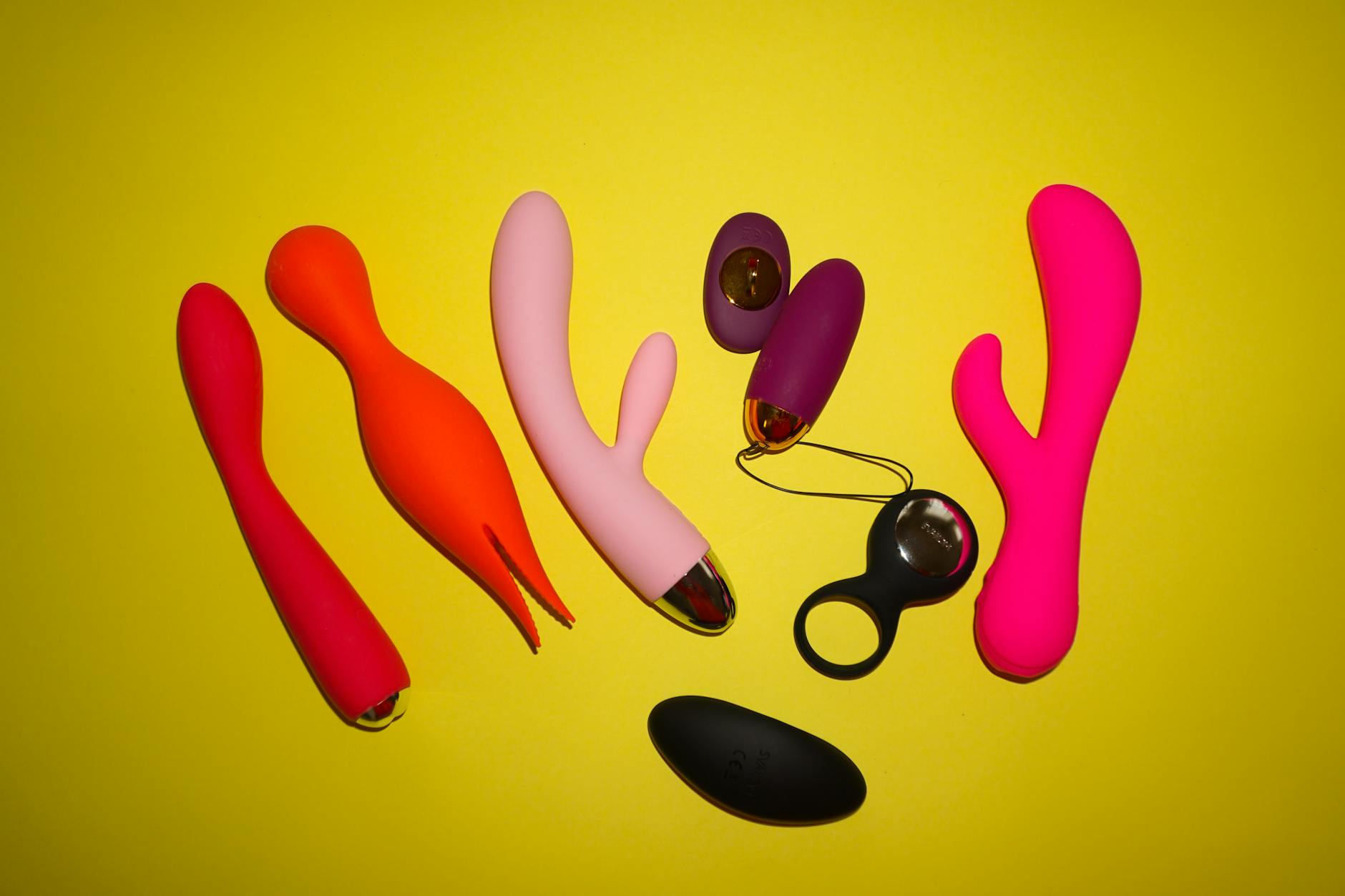
The thing no one tells you about new partner sex
Everything feels slightly unfamiliar. Your bodies don't know each other's language yet. The rhythm that worked with your last partner might land wrong here. Pressure builds silently because neither of you wants to admit that things feel a little off, a little slower, a little more effortful than the highlight reel suggested they should.
Honestly? That's not a failure. That's the beginning.
Why lemon vibrators change the conversation
When you introduce a lemon clitoral vibrator into early intimacy with a new partner, something shifts. Suddenly the focus isn't on "Are we doing this right?" It becomes "What does this feel like for you right now?" The vibrator becomes a translator between two bodies that are still learning each other.
I've worked with countless couples who felt pressure to perform flawlessly from night one. They'd tell me that adding a tool felt like admitting failure. The opposite is true. Lemon sexual toys signal that you're both interested in her pleasure, that you're willing to communicate openly about what works, and that you're not waiting for magic to happen passively. You're building it together.
That's the foundation of lasting sexual connection.
The early-stage barrier: speed and expectation
Most new partners move too fast without realizing it. You're aroused, they're aroused, there's momentum. But arousal doesn't equal readiness. With someone new, tissues need more time to respond. Nervousness tightens things. Unfamiliarity makes it harder for the body to relax into sensation.
This is where a lemon clitoral vibrator becomes invaluable. It does the heavy lifting of arousal without either of you having to perform. They can focus on her pleasure directly while they explore what she responds to. She can stay present instead of monitoring whether things are progressing on schedule.
Start at pattern 1 or 2 on the Lem. Build slowly. The goal isn't orgasm. It's information. What makes her breath change? Where does she tense? What pattern causes her to lean in? You're gathering data that will make everything else better.
Communication that doesn't feel awkward
Talking about pleasure with a new partner feels vulnerable in ways that talking about other intimate things doesn't. You don't want to criticize. You don't want to seem high-maintenance. You don't want to admit that something isn't working.
Introducing a lemon sexual toy gives you a framework for that conversation that feels natural. You can ask, "Should we try this together?" or "Do you want me to use this?" Instead of "This isn't working," you get to say, "Let's see how this feels."
The vibrator becomes a third presence in the room. It's not about what you're doing wrong. It's about discovering what works for both of you. That distinction is everything.
Three ways to introduce it without it feeling clinical
Start with her pleasure, not performance
Don't frame it as a fix. Frame it as exploration. "I want to see what makes you feel good" is radically different from "Let me help this work." The first creates connection. The second suggests a problem.
Let her hold the Lem first, explore what she likes on her own, while you're present. This takes the pressure off you to "do it right" and gives her agency. You're watching and learning, not performing.
Use it as foreplay, not the main event
Early in a new relationship, introducing a lemon clitoral vibrator as foreplay keeps the focus on building toward something together, not replacing anything. Use it to get her aroused, to relax her into her body, then move on to whatever else feels right.
This prevents the vibrator from becoming the thing you "need" to make sex work. It's a tool, not a crutch.
Let her take the lead on comfort
Some people have never used toys before. Some have had bad experiences. Some are excited. Don't assume. Ask. "Have you used toys before?" If not, "Would you want to try?" If yes, "What did you like?" Her comfort level determines the pace.
Building sensation awareness together
One unexpected benefit that couples discover is that using lemon adult toys together actually deepens attention. You slow down. You notice. You stay present instead of defaulting to a script.
When you're both paying attention to her sensation, you can start to notice patterns. Does she like continuous stimulation or patterns? Does she prefer direct pressure or broader movement? Does she like it best when you're also touching her somewhere else? These answers change everything about future intimate moments.
Over time, knowing exactly what she responds to becomes its own kind of intimacy. You're not guessing. You're not hoping something lands. You know.
The physical comfort layer
New partner sex often involves a fair amount of anxiety, which lives in the body. Tight pelvic floors, shallow breathing, tension in the thighs. A lemon vibrator can help ease that physical tension in a way that's actually pleasurable.
The gentle suction of the Lem, for instance, relaxes the pelvic floor over time. It signals safety to the nervous system. Arousal can then follow instead of feeling like something that needs to be forced or rushed.
If she's never felt truly relaxed during sex with a new partner, the vibrator can be the thing that changes that. Not because there's anything wrong with her. Because releasing tension feels good, and this tool makes that easy.
When to have the conversation
Bring it up outside the bedroom. Not days before, but not mid-intimacy either. Something like, "I've been thinking about trying something together. There's this tool that I think could feel really good for you. Would you want to try it?"
If she says no, let it go. If she says "maybe," give her time to sit with it. If she says yes, don't overthink the execution. You'll both be nervous. That's normal. Start simple, go slow, and keep checking in.
What this actually builds
People often worry that introducing a lemon clitoral vibrator early signals that the sex isn't good enough on its own. That's backwards. It signals that you care about her pleasure more than your ego. That you're willing to communicate. That you're not waiting for her to speak up. That you see her body as something worth learning and exploring, not just something to move past.
Those couples? The ones who start their relationship with toys, with communication, with genuine curiosity about each other's bodies? They last. Not because the sex is always perfect, but because they've built a language around pleasure that includes honesty. They know how to ask for what they want. They've normalized using tools that help.
That foundation matters more than any single experience.
FAQ
What if my new partner has never used a vibrator before?
Start slower and lighter than you might think. Let her hold it first, explore on her own, get comfortable with the sensation without any performance pressure. Some people find the sensation overwhelming at first, which is totally normal. You can also use it through clothing initially, or spend time at lower intensity patterns before building up. Patience here actually builds confidence and pleasure down the line.
Is it weird to bring a lemon vibrator into things this early?
Not weird, just honest. You're saying "I care about your pleasure and I'm willing to explore what works for both of us." Early relationships are actually the best time to establish this because you haven't built up years of patterns yet. You're building the communication muscle from the start, which makes everything easier.
How do I know if she's actually into it or just going along with it?
Pay attention to her body, not her words. Does she lean toward it or away? Does her breath change in a good way or a held way? Does she ask for it again or does she seem relieved when it's done? You can also just ask directly in a low-pressure way. "This feeling good?" or "Want to keep going or try something else?" Most people appreciate directness.
What if using a vibrator becomes the only way she can finish?
That's not actually a problem, it's information. Her body is telling you what it needs. Many people, especially women and people with vulvas, require direct clitoral stimulation to orgasm. That's not dysfunction, that's anatomy. Instead of seeing the vibrator as a crutch, see it as a fundamental part of your intimate toolkit. Some couples use it every time, and that's completely fine.
Should I be doing anything specific while she uses the Lem?
Touching her elsewhere makes a big difference. Kiss her neck, hold her, touch her inner thigh or breasts. Stimulation in multiple places usually feels better than isolated clitoral attention. You're also staying engaged and present, which deepens the connection. This isn't about her and the vibrator. It's about both of you together.
How do I keep a vibrator from becoming awkward to talk about later?
Normalize it from the beginning. Treat it like any other part of foreplay. Ask how it feels, whether she wants to use it, whether she wants to try a different pattern. The more casual you are about it, the less awkward it becomes. You're building a language where pleasure tools are just part of the conversation, not a secret or a last resort.
The real reason this works
Lemon vibrators aren't magic. They don't fix bad communication or resentment. But they do create space for good things to happen. They slow you down. They make pleasure a conversation instead of a performance. They give you both permission to pay attention to what actually feels good instead of what you think should feel good.
With a new partner, that foundation matters more than anything else. If you're willing to communicate, to explore, to prioritize her pleasure without ego, you're already building something real. The lemon clitoral vibrator just makes that easier.
If you're starting fresh and want to explore together, that willingness is what counts. Let her lead on comfort level. Stay present. Check in. And remember that the goal isn't perfect sex. It's learning each other. Everything else follows from there.
Ready to figure out what works for both of you? Reach out to our team at Nancy Lems Shop if you have questions about which tools might be right for your situation. We're here to help.