Starting over means starting slow
Divorce rewires your relationship to pleasure. Years of resentment, routine, or just switching off can leave you unsure whether you even want pleasure anymore, let alone how to ask for it. Add a new partner to that equation and suddenly there's vulnerability layered on top of vulnerability. You don't know their touch, their pace, what they like watching you do. And honestly? You might not be sure what you like either anymore.
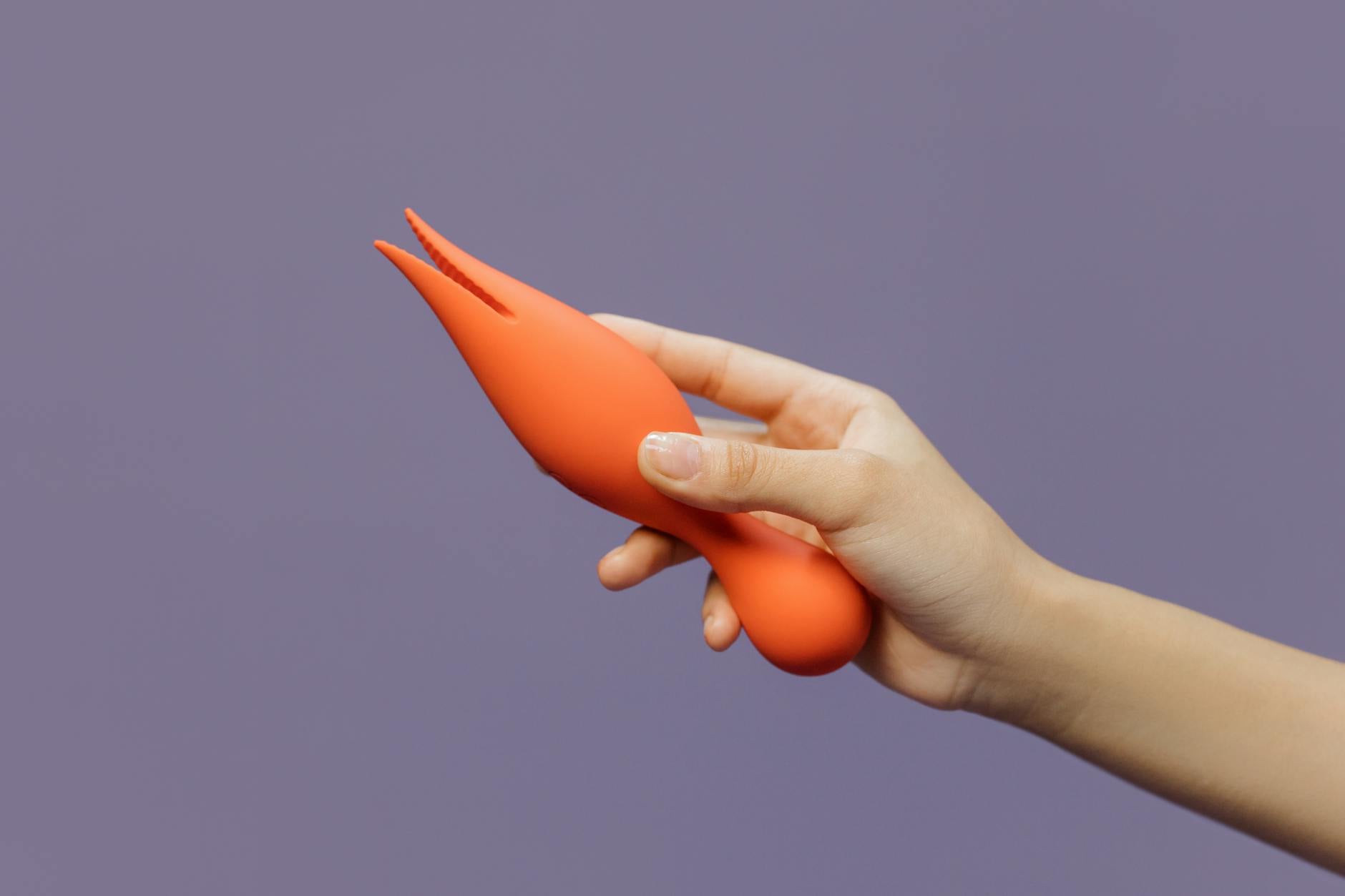
Here's the thing: a lemon vibrator isn't just a toy in this transition. It's a conversation starter. It's proof that you know your own body. It's permission to prioritize yourself.
Why lemon vibrators change the restart conversation
When you bring a lem vibrator into a new relationship early, you're not hiding insecurity. You're stating a fact: your pleasure matters, and you know what works for you. That changes everything about how your new partner shows up.
Instead of them trying to guess what your body needs after years of not knowing (or knowing but stuffing it down), they get to watch you take the lead. They get to see what makes you respond. For them, that's genuinely hot. For you, it's the difference between feeling like you're performing and feeling like you're participating.
The lemon clitoral vibrator's suction pattern does something specific here. It doesn't require the same pressure-based engagement that some vibrators need. You can enjoy it with a new partner in the room without worrying about whether your body is cooperating. The toy does the work. You just get to feel it.
The conversation before the conversation
Let's get real: you have to tell them. "I want to try this" or "I brought this" or however it comes out. And yes, that's vulnerable.
But here's what I've seen work over decades of working with couples rebuilding after divorce. Frame it around discovery, not dysfunction. "I've been exploring what feels good to me, and I'd like you to be part of that" is different from "I don't think you're enough." One opens a door. The other closes one.
You don't even have to make it dramatic. During foreplay, when things are already warm and playful, you can say something like, "I'm curious if you'd want to watch me use this" or "Want to see what I've been enjoying?" If they're genuinely into you, the answer is usually yes.
Using a lemon vibrator solo first, together second
Before you use it with them, use it alone. Multiple times. This isn't paranoia. This is self-knowledge, and it makes everything easier.
When you're alone, you discover your preferred intensity, pattern, and rhythm without anyone else's energy in the room. You learn whether you like it for five minutes or thirty. You find out if you need lube or not. You figure out positioning that works for your body. All of this intel makes the partnered experience clearer, less negotiated, more confident.
When you finally use your lemon clitoral vibrator with them, you can say, "This pattern feels best for me" or "I usually start on this setting" instead of discovering it in real time while trying to be sexy. That's the difference between exploration and performance.
The actual mechanics of using it together
There are a few ways this usually goes. Pick what fits your comfort level.
They're watching. You're using the lem vibrator on yourself while they're present, touching you elsewhere or just watching. This builds intimacy and takes the pressure off penetrative sex if you're not ready or not feeling it. Your body gets to do what it does. They get to see you in genuine pleasure. That's powerful.
They're helping. They hold the vibrator while you guide their hand. This creates a feedback loop. You show them the angle, the pressure, the rhythm. Over time, they learn your body without you having to narrate every sensation. The lem vibrator becomes a tool for communication, not a replacement for them.
You're alternating. Foreplay that includes your lemon sexual toy, then other forms of intimacy. The vibrator isn't the main event. It's part of the menu. This works especially well if you're uncertain about penetration or if you want to come before other things happen.
Whichever version you choose, go slow. One session isn't a referendum on the relationship. You're just trying something. If it works, great. If it feels awkward, you adjust and try again.
What to do if they're weird about it
Some partners will get weird. Maybe they feel replaced. Maybe they're uncomfortable with vibrators generally. Maybe they grew up with messaging that sex toys are shameful. None of that is your problem to solve for them, but you can address it clearly.
"This isn't about you not being enough. It's about me knowing myself better. That actually helps both of us." If they can't move past that, you have useful information about how they handle your needs in general. That matters.
Most partners, though, surprise you. They're curious. They like seeing you lit up. They ask questions. They get it. After divorce, when your self-trust has taken a hit, that kind of solid partnership response can rebuild something important.
Managing the pace of intimacy
After divorce, your nervous system might need time to recalibrate. New touch, new rhythm, new presence. Using a lemon vibrator with a new partner doesn't have to mean jumping into traditional sex. In fact, I'd argue against it.
Build sideways. Enjoy pleasure that doesn't have an endpoint. Use your lemon clitoral vibrator together without any expectation of what comes next. Let that be the whole event for a few times. Your body will relax faster when there's no pressure, no invisible clock, no sense that this is leading somewhere you're not ready for.
That's actually when the best sex happens. When both people are genuinely okay with however long this takes or where it goes.
The confidence piece is the real payoff
Here's what really shifts after you've used a lem vibrator with a new partner a handful of times. You start believing that your pleasure is a normal, expected part of sex. Not a bonus. Not something you have to earn. Just part of what happens.
After years of divorce alone or years in a marriage where your pleasure wasn't the priority, that's a huge recalibration. You're literally retraining your nervous system to accept that you deserve to feel good. That your new partner wants to be part of that. That communication about sex is normal, not a sign something's broken.
A lemon sexual toy becomes evidence. Evidence that you know what you like, that you're not afraid to ask for it, that you're rebuilding your sex life on terms that actually work for you.
People also ask
Should I tell my new partner I've used the vibrator before bringing it into bed with them?
Not necessarily. You don't owe anyone a sexual history or a play-by-play of how you figure out your body. What matters is that you bring it into shared sex from a place of confidence, not apology. "I want to try this together" is complete honesty. The solo research part is your business.
What if we've only been dating for a few weeks?
Timing depends on the relationship. Some couples are ready to talk about pleasure and bring toys in early. Others need more rapport first. I usually suggest waiting until sex feels solid and comfortable, even if it's only been a few weeks. If you're already intimate and things feel good, a lemon clitoral vibrator is just the next logical step in that conversation.
Can I use a lemon vibrator if I'm still processing trauma from my previous marriage?
Yes, and sometimes it's helpful to work with a therapist alongside this. A vibrator doesn't heal trauma, but it can help you reclaim pleasure as belonging to you. That's powerful. Make sure you're in a relationship with someone patient and that you're listening to your body. If something feels wrong, stop. Your nervous system will tell you what's okay.
Does using a lemon vibrator change how we connect without it?
Actually, for most couples, the opposite happens. When you've communicated about pleasure, shown each other what works, and built shared language around sex, everything gets better. Non-vibrator sex doesn't feel threatened. It feels like part of a bigger palette.
What lube should I use with a lemon vibrator?
Water-based always. It works with silicone toys, washes off easily, and won't degrade your vibrator over time. Keep it nearby. Even if you don't need it the first time, you will eventually. Having lube normalizes the fact that pleasure sometimes requires small practical adjustments. That's not a failing. That's wisdom.
Is it weird to want to use a lemon vibrator more often than my partner wants sex?
Not weird at all. Your desire for solo pleasure and your desire for partnered sex are separate things. You can want both on completely different schedules. The vibrator gives you agency over your own pleasure timeline. That's actually healthy, not a sign the relationship is failing.
You're allowed to start fresh
Divorce ends one chapter. It doesn't end pleasure. It doesn't end your right to build a sex life that actually works for you. Using a lemon vibrator in a new relationship after divorce is just you saying out loud: I know what I like now. I'm willing to ask for it. I'm not settling. I want to feel good.
That's not complicated. That's just honest.
If you're rebuilding intimacy after major life change and want personalized support navigating communication with a new partner, reach out. That's what I do.