Here's the thing about bringing toys into a new relationship
There's no rule that says you have to wait. But there's also no rule that says you have to jump right in. The sweet spot isn't about timing. It's about knowing what you want, saying it clearly, and giving your partner space to feel whatever they feel.
I've worked with hundreds of couples navigating this exact moment, and the conversation almost always goes better when the person with the lemon vibrator (or any sexual toy) has already done their own groundwork. That means you know why you want it, you're not asking for permission, and you're genuinely curious about your partner's reaction rather than defensive about it.
Why a new relationship actually changes the conversation
When you introduce a toy to someone you've been with for years, the subtext is loaded. They might wonder: "Why now? Was I not enough before? Why didn't you mention this earlier?" Those stories live in the background noise of an established dynamic.
With someone new, the conversation is cleaner. You're both still figuring out what you like, what works, and how you want to be together. A lemon vibrator isn't a plot twist. It's just... a tool that happens to feel good. The weirdness you feel is mostly in your head.
That said, new also means less trust. You don't know yet if this person is sex-positive, curious, or defensive about toys. You don't know if they'll feel threatened or think it's hot. So the framing matters more, not less.
The setup conversation (before you even mention it)
Don't lead with the toy. Lead with curiosity.
Somewhere in the early weeks, when you're getting to know each other sexually, pay attention to how your partner talks about pleasure. Do they ask what you like? Do they seem open to feedback? Can they hear "that doesn't work for me" without getting hurt or defensive?
If the answer is yes, they're probably going to be fine with toys. Not because toys are the test, but because openness is the test.
Once you've got a sense of that, you can weave in casual references. "I love that you pay attention to what feels good for me." Or, "I really appreciate that you ask what I want instead of assuming."
You're not being sneaky. You're creating a container where it's normal to talk about pleasure as something you both care about.
The actual words (and when to say them)
Timing matters, but not in the way you think. Don't bring it up mid-sex. Don't bring it up when you're stressed or rushed. Bring it up when you're both relaxed, clothed if that feels less loaded, and genuinely present.
You could say:
"I want to try something that feels really good for me, and I'd love for you to be part of it. I've been using a lemon vibrator for a while, and I find that it works really well for my body. I'm curious if you'd want to use it together sometime."
Notice what that does: it's honest (you already use it), it's specific (it works for your body, not a commentary on your partner), and it's an invitation (not a demand).
If they seem hesitant, don't pivot into justifying it. That comes across as defensive. Instead, stay curious: "What's your concern?" or "What would make that feel okay for you?" or even "No pressure. I just wanted to be upfront about what I enjoy."
Many new partners worry they're being replaced or that they're "not enough." That fear is real, even if it's not logical. One sentence can dissolve it: "I want this because I enjoy it, and I want to enjoy things with you."
The first time using it together
Lower the stakes. A lemon clitoral vibrator isn't going to change your connection overnight, and pretending it will only makes things weird.
Try it when you're already intimate, when you're both in the mood, and when neither of you is thinking about performance. You're not testing anything. You're just exploring.
Here's a practical setup: you're together, things are already heating up, and at a natural moment you might say, "I want to show you how I use this." Then do it. Let your partner watch or touch you. Keep it exploratory. There's no "right" way to have sex with a toy present.
Some new partners want to use it on you. Some want to use it while you're together. Some want to step back and watch. All of those are fine. You're the expert on your own body, so guide them if needed: "A little slower here" or "That pattern feels amazing."
The goal isn't for them to become obsessed with the toy. The goal is for them to see that you're comfortable, that it feels good, and that it's not weird or threatening.
What if they're uncomfortable
There's a difference between "I need time to think about this" and "I never want toys in our relationship."
If it's the first one, give them space. Some people need to sit with novelty. That's fair. Check in in a few days, no pressure.
If it's the second one, you've got a decision to make. And I'm not going to tell you what it is, because that depends on how important this is to you and whether the rest of the relationship feels worth the compromise.
But here's what I will say: if your partner refuses to let you use a tool that brings you pleasure, alone or together, that's usually a sign of control or insecurity that shows up in other places too. Pay attention.
The practical stuff nobody talks about
Make sure your partner knows how to handle it. Not because they're incompetent, but because clitoral vibrators work differently than their body does. Show them the settings. Mention that you might want a slower pace than they expect. Let them know that if you go quiet or tense up, that's usually a sign of intense sensation, not discomfort.
Keep the lemon vibrator accessible. Don't hide it or make it shameful. That sends a message that pleasure needs to be secret, and you're not running that kind of relationship.
And honestly? Talk about it afterward, the same way you'd talk about anything else you tried: "That felt great," or "That didn't work as well as I expected," or "I want to try that again." Normalize it into the regular landscape of your sex life instead of treating it like a one-time experiment.
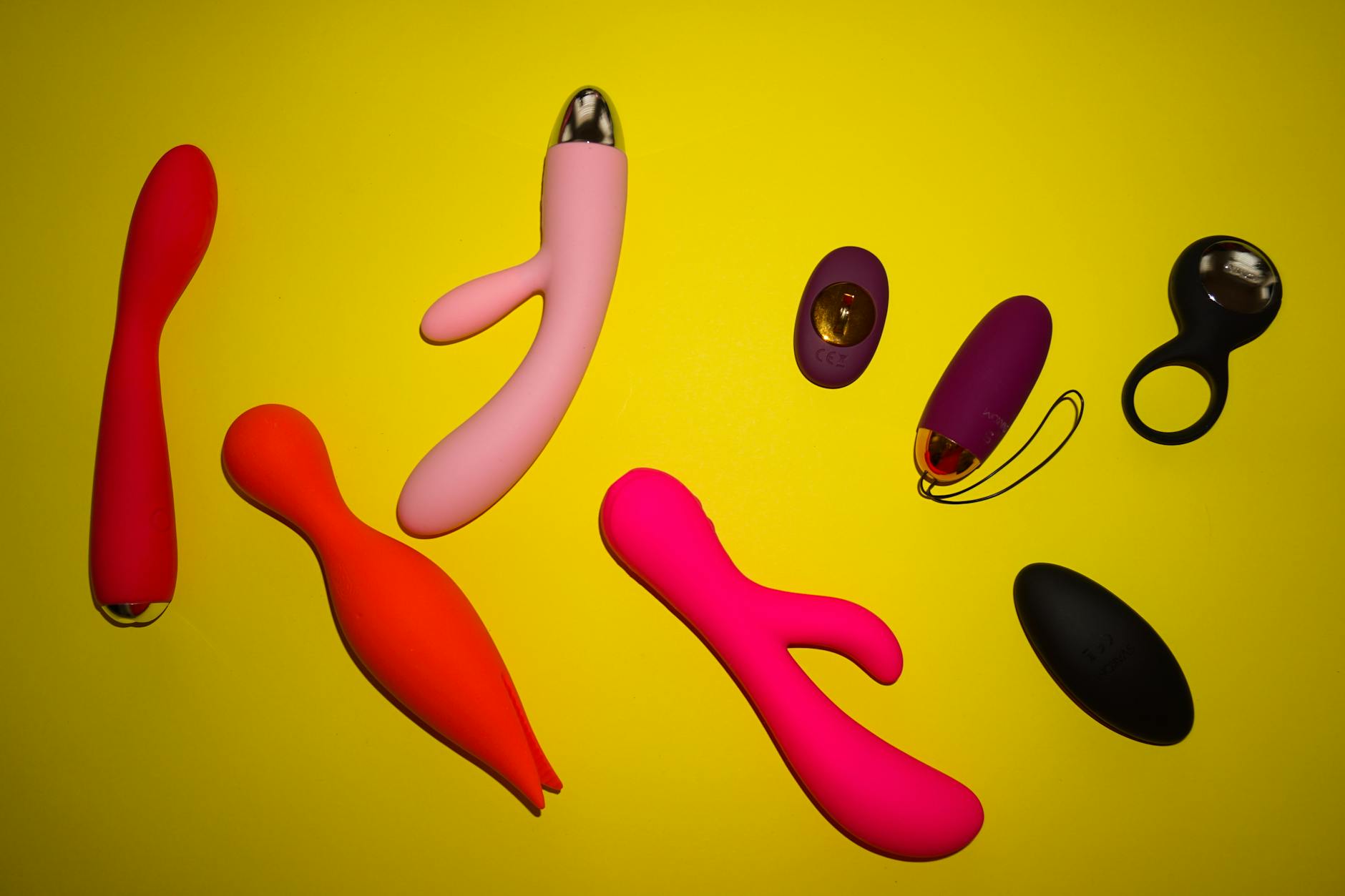
Photo by FounderTips on Pexels
Why this conversation gets easier the second time
Once you've introduced toys to someone, the category stops being taboo. It's just part of your sexual toolkit. The next conversation about introducing a new toy is shorter: "I want to try this. Thoughts?"
That ease comes from the first conversation going well, from your partner seeing that toys didn't destroy intimacy but enhanced it, and from you being matter-of-fact instead of apologetic about what you want.
If you're looking for more grounding on how to navigate intimate conversations with someone new, check out our guide on <a href="/blog/how-to-introduce-lemon-vibrators-to-your-partner-without-discomfort-or-shame">introducing lemon vibrators to your partner without discomfort or shame</a>. And if you're wondering whether intensity or sensation changes with a new partner, that's covered in <a href="/blog/why-lemon-clitoral-vibrators-feel-different-with-a-new-partner">why lemon clitoral vibrators feel different with a new partner</a>.
The emotional layer you can't skip
Introducing a lemon vibrator is really about introducing vulnerability. You're saying, "Here's something that matters to me, and I'm trusting you with it." That's not small.
Your partner's reaction will tell you something important about how they handle your needs. Do they make space for what you want? Do they ask questions out of genuine interest rather than judgment? Do they trust you when you say something feels good?
Those qualities matter way more than whether they think toys are cool.
If the conversation goes well, you're not just adding a toy to your relationship. You're establishing a pattern where pleasure is something you both prioritize, communication is normal, and your partner cares about what makes you feel good. That's the foundation everything else is built on.
FAQ
Should I tell a new partner about toys before we sleep together?
Not before the first time. But within the first few weeks, yes. Once you've established that you're both interested in a physical relationship, it's fair game. You don't need to have the toy conversation in your first text exchange, but you also don't need to hide it until you're three months in.
What if my new partner thinks lemon vibrators are silly or childish?
That's their insecurity showing, not a reflection of reality. Clitoral vibrators are designed for pleasure and precision. They're tools, not jokes. If your partner is genuinely dismissive of your pleasure, that's information you need early on. A good partner wants you to feel good, even if the method surprises them at first.
Can I use a lemon vibrator during partnered sex right away?
Yes, absolutely, if you both want to. Some couples integrate toys immediately and it feels natural. Others wait a few weeks to build trust first. There's no wrong timeline. The only rule is that you both actually want it.
How do I know if they're comfortable or just pretending?
Pay attention to their body language and what they say when you're not in the moment. If they seem tense, avoid eye contact, or change the subject, that's a sign they're not comfortable yet. Check in directly: "How are you actually feeling about this?" Give them permission to say no.
What if they want to use the lemon vibrator on me but I feel too exposed?
That's completely valid. Using a toy on yourself feels different than having a partner use it on you, and more vulnerability is required. You can say, "I like using it myself for now. Want to watch?" That's still intimate and still involves them, but on your terms.
Is it okay to introduce multiple toys at once?
No. One toy, one conversation, one experience at a time. You're building trust gradually. Once your partner is comfortable with one tool and sees how it works, introducing another is easier. But showing up with a whole collection on day one reads as overwhelming, not exploratory.