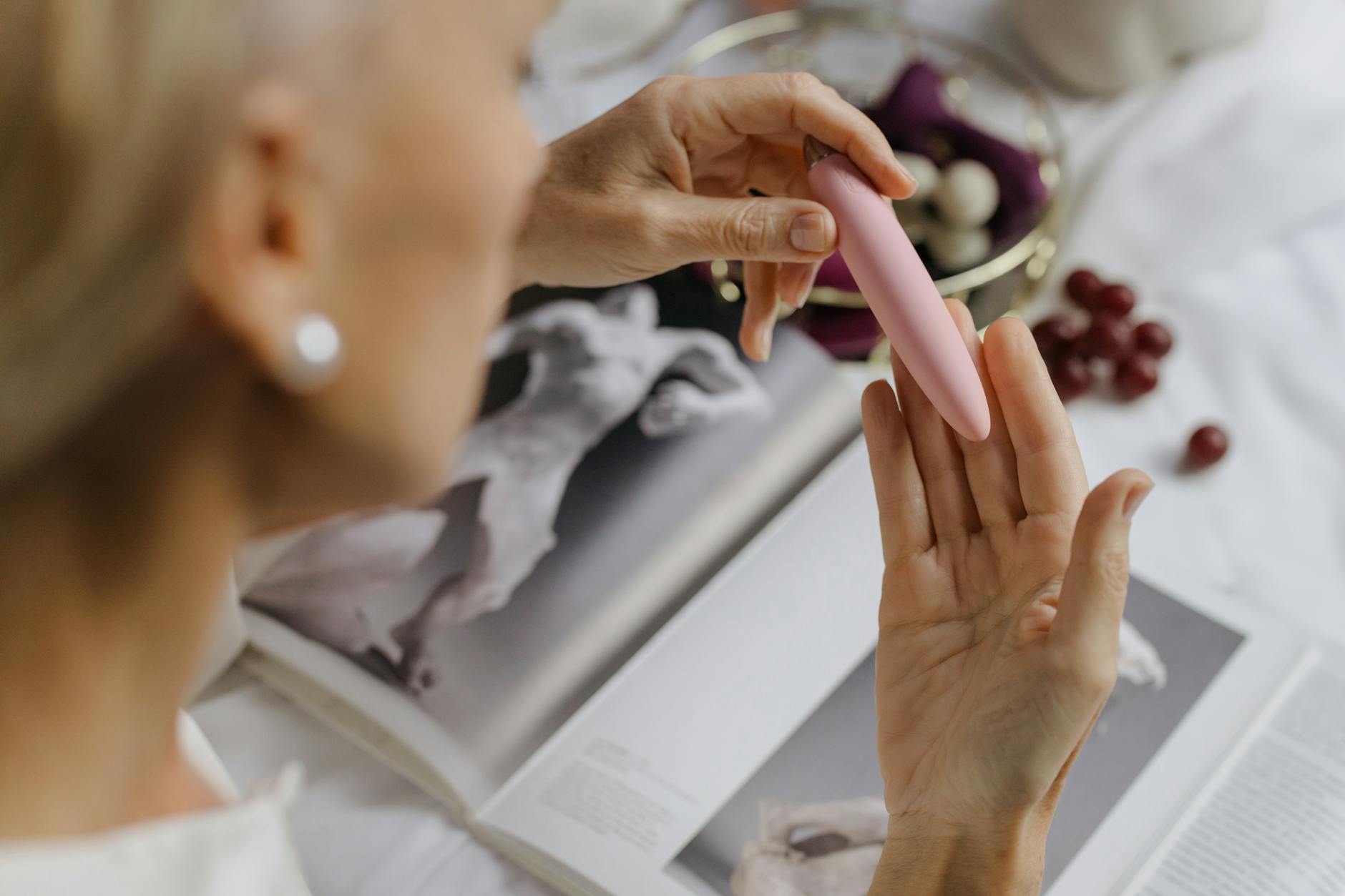
Let's start with what's true
Your body didn't forget. That's the thing people worry about most, and it's worth saying plainly: the neural pathways for pleasure don't atrophy like unused muscles. If you haven't used a vibrator in months, years, or even a decade, your clitoris remembers how to respond.
What changes after a long break is not capacity. It's familiarity. You're reintroducing something your body once knew, which is wildly different from introducing something for the first time.
Why people take breaks in the first place
There's rarely judgment here, just life. A relationship ends. You move. Work explodes. Kids happen. You're grieving. You're depressed. You're on medication that flattens desire. You get married and sex shifts. You're exploring different pleasure zones and toys fall off the radar. You internalize shame you didn't know you were carrying.
The reason matters less than this: after a break, your nervous system is different. Not broken. Different. You might be more anxious about things that felt easy before. Your body might need gentler reentry than it did the first time around.
What happens neurologically when you take time away
Think of it like returning to a gym after six months off. Your muscles haven't forgotten how to work. They're just not primed. Your nervous system isn't anticipating the stimulus. Your brain isn't in the habit loop of arousal building into that specific sensation.
Sensation sensitivity can also shift. If you've been stressed, anxious, or touched out (a real thing that happens with caregiving, parenting, or relationship strain), your skin might feel defensive. This isn't psychological weakness. It's your nervous system being protective.
The other piece: if your body has been without consistent touch or stimulation, the sensory pathway needs re-routing. This takes anywhere from a few sessions to a few weeks. It's not failure. It's recalibration.
The reentry protocol that actually works
Four steps. Take them slowly.
Step one: Touch without the toy. Spend 3-5 days reacquainting yourself with your own hands. This isn't performance. It's sensation mapping. Notice what feels good, where you hold tension, how your arousal builds or doesn't. This primes your nervous system without adding complexity.
Step two: Lower settings, longer duration. If you're using a lemon vibrator or any clitoral toy, start at the lowest setting for 2-3 minutes. It's boring. Do it anyway. Your goal is recalibration, not orgasm. Think of it as hello, not homecoming.
Step three: Pattern variation before intensity. Most clitoral vibrators like the Lem offer different patterns as well as intensity levels. After you're comfortable at low intensity, try different patterns at that same low level. Your body might surprise you. Sometimes a gentler pattern feels better than raw power.
Step four: Only then increase duration and intensity. Once you're comfortable at the lowest setting with one or two patterns you like, stay there for 2-3 weeks. This sounds long. It's not. You're rebuilding the neurological groove. Then, gradually increase from there.
Why lemon clitoral vibrators work particularly well for reentry
If you haven't used a vibrator in ages, starting with a suction-based design like a lemon sucker (the colloquial name for lemon clitoral vibrators) is gentler than traditional vibration for reentry.
Here's why: traditional vibrators use rapid oscillation. That's powerful and effective, but if your nervous system is in protection mode, the sensation can feel jarring or even painful. Suction works differently. It creates a gentler pressure gradient that builds more gradually. For someone reconnecting after a hiatus, that slower build often feels less scary.
Lemon vibrators also tend to have very granular intensity levels, which means you can find the exact sweet spot for where your body is today, not where it was five years ago.
The emotional piece no one talks about
If you took a break because pleasure felt unsafe, because you were with someone who didn't respect your body, or because you internalized shame about your own sexuality, reentry isn't just physical. It's permission work.
Your nervous system will need reassurance that this is okay, that you're safe, that pleasure belongs to you. That sounds abstract until you're alone with a vibrator after two years and your body goes tense. That's not a sign to stop. It's a sign your system is recalibrating what safe feels like.
If you have a partner, talking about this before you start changes everything. Not during. Before. "I want to reconnect with my own pleasure. I might feel shy or tense at first. I'm going to take time with this." That conversation removes the performance pressure that makes reentry harder.
Common hiccups and what they mean
It doesn't feel the way it used to. This is normal and temporary. Your nervous system is rewiring. Give it 3-4 weeks of consistent, low-pressure exploration before you judge whether it's "working."
I feel anxious using it. Your body is remembering something emotional, not just physical. Slow down. Add a grounding ritual: light a candle, play a song you love, get warm under blankets. You're not trying to climax. You're trying to feel safe.
My arousal takes forever to build now. Yes. Welcome back. After time away, arousal often needs more setup. Budget 20-30 minutes instead of 10. This usually resolves within a month or two.
I can't seem to orgasm even though I used to. If you're pressuring yourself, stop. That pressure is your nervous system's enemy. Orgasm will come back, but only when you're not chasing it. The goal for the first month is sensation and comfort, not climax.
How medications and life changes affect reentry
If you've started antidepressants, blood pressure meds, or hormonal contraception since you last used a vibrator, those change the equation. Some medications genuinely slow arousal. If that's the case, knowing it's chemical (not psychological) helps. You might need a different toy, more time, or a conversation with your doctor about timing.
If you're managing chronic pain, depression, or anxiety now, your nervous system might be protective in new ways. That's not a barrier. It just means you need more gentleness in the reentry than someone without those factors.
When to seek support
If after 4-6 weeks of consistent, low-pressure exploration you feel no pleasure response, or if anxiety spikes significantly every time you try, talk to someone. A sex therapist or relationship coach (preferably one trained in trauma-informed practice) can help you untangle whether this is physical, psychological, or relational.
This isn't failure. It's good judgment. Reentry after a long hiatus doesn't always smooth out on its own, especially if the break was tied to something painful.
What to expect month two and beyond
By week four, most people notice a shift. Arousal comes faster. Sensation feels more familiar. Your favorite patterns from before might click again, or you might discover new preferences. This is where it gets fun again.
Many people find that coming back to vibrators after a break actually deepens their pleasure, because they're slower, more intentional, and less caught up in performance. You get to choose what pleasure looks like now. That freedom, honestly, can be better than before.
FAQ
Will my body feel the same using a vibrator as it did before the break?
Not immediately, but probably eventually. Your body remembers the sensation, but your nervous system might be processing it differently depending on what's happened since. It usually takes 2-4 weeks to feel familiar again. Be patient with the adjustment period.
How often should I use a vibrator when getting back into it?
Start with 2-3 times a week, 5-15 minutes at a time. This gives your nervous system a consistent signal that pleasure is safe, without overwhelming it. You can increase frequency once it feels comfortable, but slow and steady really does work better for reentry than daily use.
Is it normal to feel numb or disconnected when I use a vibrator after a long break?
Completely normal. This is your nervous system's protective mechanism kicking in. It's not permanent. With gentle, consistent practice, that numbness usually fades as your body re-learns to feel safe with the sensation. If it persists beyond 6-8 weeks, check in with a therapist.
Should I use the same toy I used before, or start fresh?
Either works, but there's something psychologically nice about reentry with a fresh toy. It doesn't carry old associations, and it feels like a choice rather than a return to routine. That said, if you loved your old toy, go back to it. The psychology of "I'm choosing pleasure" matters more than the specific object.
Can I use a partner or external pressure to speed up reentry?
Partner involvement can be wonderful, but only if it lowers anxiety rather than raising it. If having someone present makes you feel safer and more curious, great. If it adds performance pressure, wait. Solo exploration first, partner play later. You set the timeline.
What if reentry makes me feel sad or emotional?
That's not uncommon. Reconnecting with pleasure sometimes surfaces grief, loss, or complex emotions about your body or sexuality. This doesn't mean something is wrong. It means something is shifting. A therapist who works with embodiment can help you move through that with compassion.
Your pleasure timeline is yours alone
You don't owe anyone a specific pace or outcome. If reconnecting with vibrators takes two months instead of two weeks, that's exactly right for your body. If you use a lemon clitoral vibrator and realize it's not your thing anymore, that's information, not failure.
Your nervous system brought you back to this. Trust it. It knows what it's doing. How to ease back into lemon vibrators after taking a long break offers more targeted guidance for specific scenarios if you want to dive deeper.
If you're navigating this solo and want expert support on reentry or reconnection, my team at Nancy Lems Shop is here. Reach out anytime.