Let's start with what's actually true
Your nervous system remembers. After relationship trauma, your body doesn't just forget how to feel pleasure. It does something smarter and more protective. It goes into guard mode, which means arousal takes longer, touch feels different, and sometimes your mind goes somewhere else entirely even when you want to be present.
That's not broken. That's healing in progress.
Why pleasure gets complicated after trauma
When someone violates your trust or your body, your brain rewires certain pathways as a survival mechanism. Sensations that used to feel good might trigger a fear response. Your pelvic floor might clench involuntarily. Your mind might dissociate during moments that used to be pleasurable. This isn't weakness. It's your nervous system doing exactly what it's designed to do.
The good news: neuroplasticity works both ways. Your brain can learn new associations. You can teach your body that sensation is safe again. It just takes time, the right conditions, and sometimes the right tools.
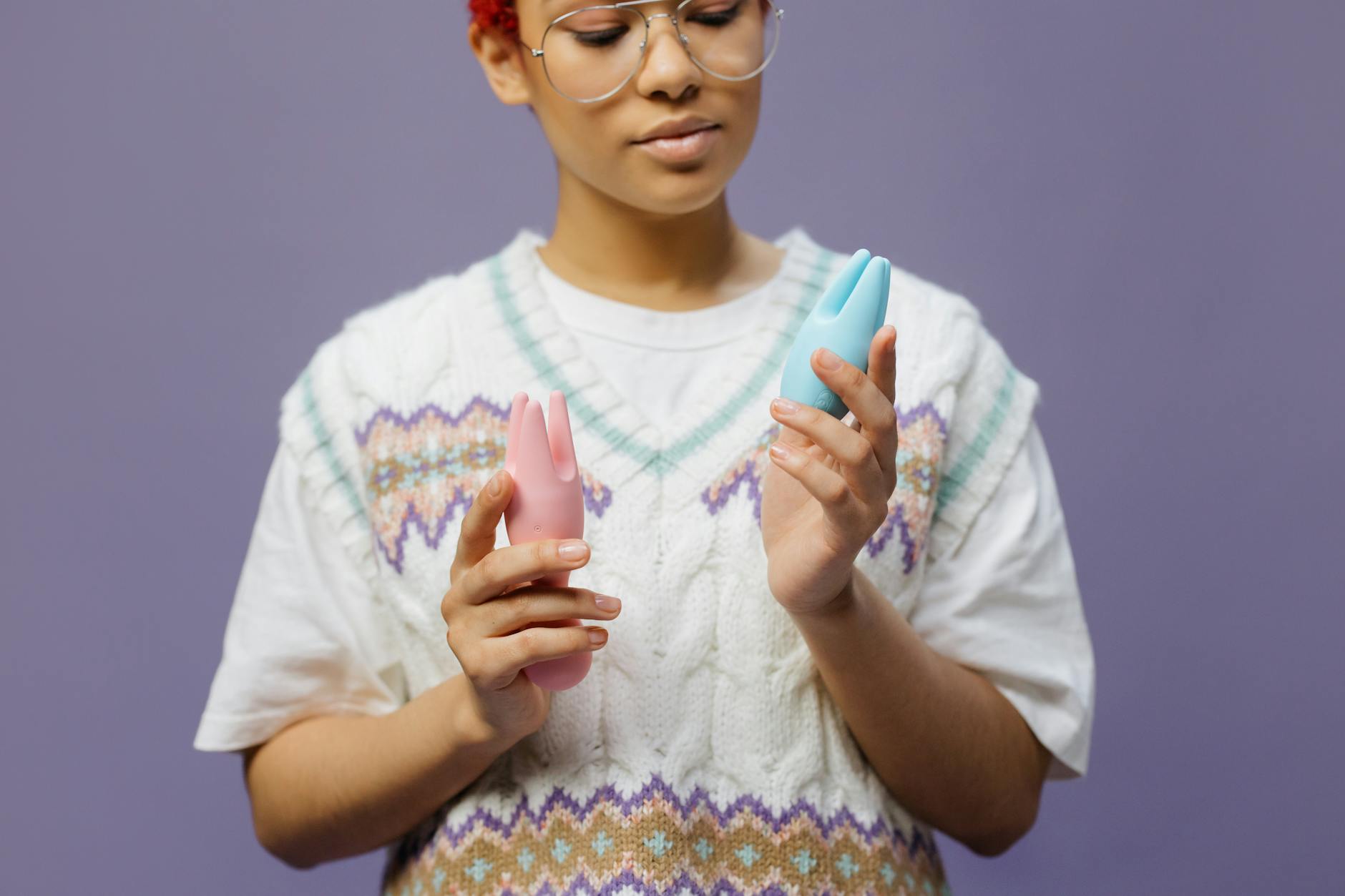
Lemon vibrators, specifically the Lem design with suction stimulation rather than direct vibration, can be part of that reclamation because they give you control in a way that many trauma survivors need. You set the pace. You control the intensity. You're not relying on another person's rhythm or pressure.
The nervous system piece nobody talks about
Here's what I see clinically: people who've experienced relationship trauma often struggle less with desire than with permission. You might want pleasure, but your nervous system is still in protection mode. That's why starting solo is not just recommended. It's essential.
When you're alone, there's no performance pressure. There's no worry about someone else's needs or reactions. You're not managing another person's feelings while trying to manage your own body's response. A lemon clitoral vibrator lets you explore sensation without the added cognitive load of navigating a relationship.
Your first goal isn't orgasm. It's safety. It's teaching your body that this touch is chosen, controlled, and can stop whenever you need it to.
Starting over: the practical framework
Step one: Preparation matters. Set a time when you know you won't be interrupted. Lock the door. Put your phone in another room. Your nervous system needs to know, without ambiguity, that you're safe and alone. This isn't about atmosphere or romance. This is about your body trusting that it doesn't need to be on alert.
Step two: Ground yourself first. Before you touch the lemon vibrator, spend five minutes noticing five things you can see, four you can touch, three you can hear, two you can smell, one you can taste. This is a grounding technique that helps your nervous system move out of survival mode. Then place your hand on your heart or belly for another minute. Notice your breathing.
Step three: Start without the vibrator. Touch your body like you're reintroducing yourself. Notice where you feel numb, where sensation is sharp, where touch feels good. This is data. You're not trying to feel anything in particular. You're just learning what your body is telling you right now.
Step four: Introduce the lemon vibrator on the lowest setting. Use water-based lubricant. Start on the outer labia or the mound of Venus, not directly on the clitoris. The suction design of a lemon clitoral vibrator creates a gentler pressure than direct vibration. Let it sit there without movement. Notice. Your only job is to pay attention.
Step five: If it feels safe, try slow movement. Maybe trace a pattern. Maybe hold it still and notice the sensation changing. There's no goal. Stopping is a win. Noticing one moment of safety is a win.
What trauma-informed pleasure actually looks like
Forget everything you've seen about how orgasms are supposed to look or feel. After trauma, your orgasms might be quieter. They might come from a different place. They might feel different every time. All of that is normal.
Some people find that using a lemon vibrator helps them because the suction creates a kind of containment. It's not invasive. It doesn't demand anything from your body. It's just consistent, predictable pressure that you can turn off instantly. That predictability matters when your nervous system has been through something unpredictable.
Others find that building back to pleasure takes weeks or months of just touching the lemon clitoral vibrator and then stopping. Not reaching for orgasm. Just building positive associations with sensation. Your brain needs to update its file on what touch means.
When to bring a partner back in
If you're in a relationship and planning to rebuild intimacy with your partner, do this solo work first. A lot of it. I usually recommend six to eight weeks of consistent solo exploration before attempting partnered touch again.
When you're ready, the conversation with your partner isn't "I'm ready now." It's "I'm learning what my body needs. Here's what I've discovered." They should know that some nights will feel good and some won't. That your body might react in ways you don't expect. That stopping is always an option.
Some couples find that using a lemon vibrator together changes the dynamic because it's focused on your pleasure, not on performance or penetration. Your partner can be present without being the source of stimulation. This takes pressure off both of you.
The mental health layer
Physical healing happens faster when you're also doing the emotional work. This might mean therapy, specifically trauma-focused therapy like EMDR or somatic experiencing. It might mean grief work if the relationship was important to you. It might mean learning to notice when you're dissociating and gently bringing yourself back to your body.
A lemon vibrator is not therapy. It's a tool that works best alongside actual mental health support. If you're struggling with intrusive thoughts, flashbacks, or if touching your own body triggers panic, that's information. That means your nervous system needs more time or professional support before solo pleasure work begins.
There's no timeline. Your body will tell you when it's ready.
Reframing what safety means
After trauma, safety isn't a feeling. It's a practice. It's deciding to be present with your own body even when that's hard. It's using a lemon clitoral vibrator not because you should, but because you're choosing to. It's stopping whenever you need to stop, without guilt.
Your pleasure matters. Not because you owe it to a partner. Not because you're trying to prove something to yourself. But because you deserve to feel good in your own body again. That's the whole point.
People also ask
How long after trauma should I wait before using any vibrator?
There's no universal timeline. Some people need weeks, others need months. The question to ask isn't "Am I ready?" but "Does my body feel safe?" If you notice panic, dissociation, or body flashbacks when you try, that's your answer. Talk to a trauma-informed therapist before pushing forward.
Can a lemon vibrator retraumatize me if I use it wrong?
No single tool is inherently retraumatizing. But the way you use it matters. If you're using it to numb yourself, to force an orgasm, or to prove something, that's worth examining. The goal is gentle exploration, not achievement. If you're doing that, you're on the right track.
What if I use a lemon clitoral vibrator and feel nothing?
Numbness after trauma is common. Your body might have naturally dampened sensation as protection. This usually resolves over time, especially with consistent, non-pressured exploration. Some people find that starting with vibration on areas further from the clitoris helps wake up sensation gradually.
Should I tell my partner I'm using a lemon vibrator during recovery?
That depends on your relationship and your comfort. If you're healing from trauma within the relationship, transparency usually helps. If you're healing from trauma outside the relationship, it's your choice. What matters is that you're not using it to hide or to avoid intimacy. You're using it to reclaim your body.
Can I use a lemon vibrator if I'm also in therapy?
Absolutely. In fact, many trauma-informed therapists recommend it as part of healing. Just keep your therapist in the loop about what you're exploring and how your body is responding. They might have specific guidance based on your situation.
What if my trauma was specifically related to clitoral touch?
Then direct clitoral stimulation, even with a gentle tool like a lemon vibrator, might not be the right starting point. Consider exploring sensation in other areas first. Your inner thighs, your breasts, your labia minora, your pelvic floor. You're rebuilding trust gradually. The clitoris can wait.
The point of all this
Healing from relationship trauma isn't linear. Some days you'll feel strong and connected to your body. Other days you'll feel distant. A lemon vibrator can be part of that journey, but it's not the journey itself. The journey is you, slowly, patiently, teaching your nervous system that sensation can be safe, that your body can feel good, and that you get to decide what happens next.
You deserve that. Not eventually. Now.
Sources
Van der Kolk, B. (2014). The Body Keeps the Score: Brain, Mind, and Body in the Healing of Trauma. Viking.
Poggi, A., et al. (2023). "Post-traumatic stress disorder and sexual dysfunction: A systematic review." Journal of Sexual Medicine, 20(5), 718-729.
Pruss, D., et al. (2020). "Suction devices for clitoral stimulation: A systematic review of safety and efficacy." Sexual Medicine Reviews, 8(3), 441-452.
Shipway, C., & Spruyt, A. (2020). "Reintegrating sexuality after trauma: A somatic therapy perspective." Body, Movement and Dance in Psychotherapy, 15(2), 115-128.
Carr, D. (2019). "Autonomy and pleasure in sexual healing." International Journal of Sexual Health, 31(4), 296-308.