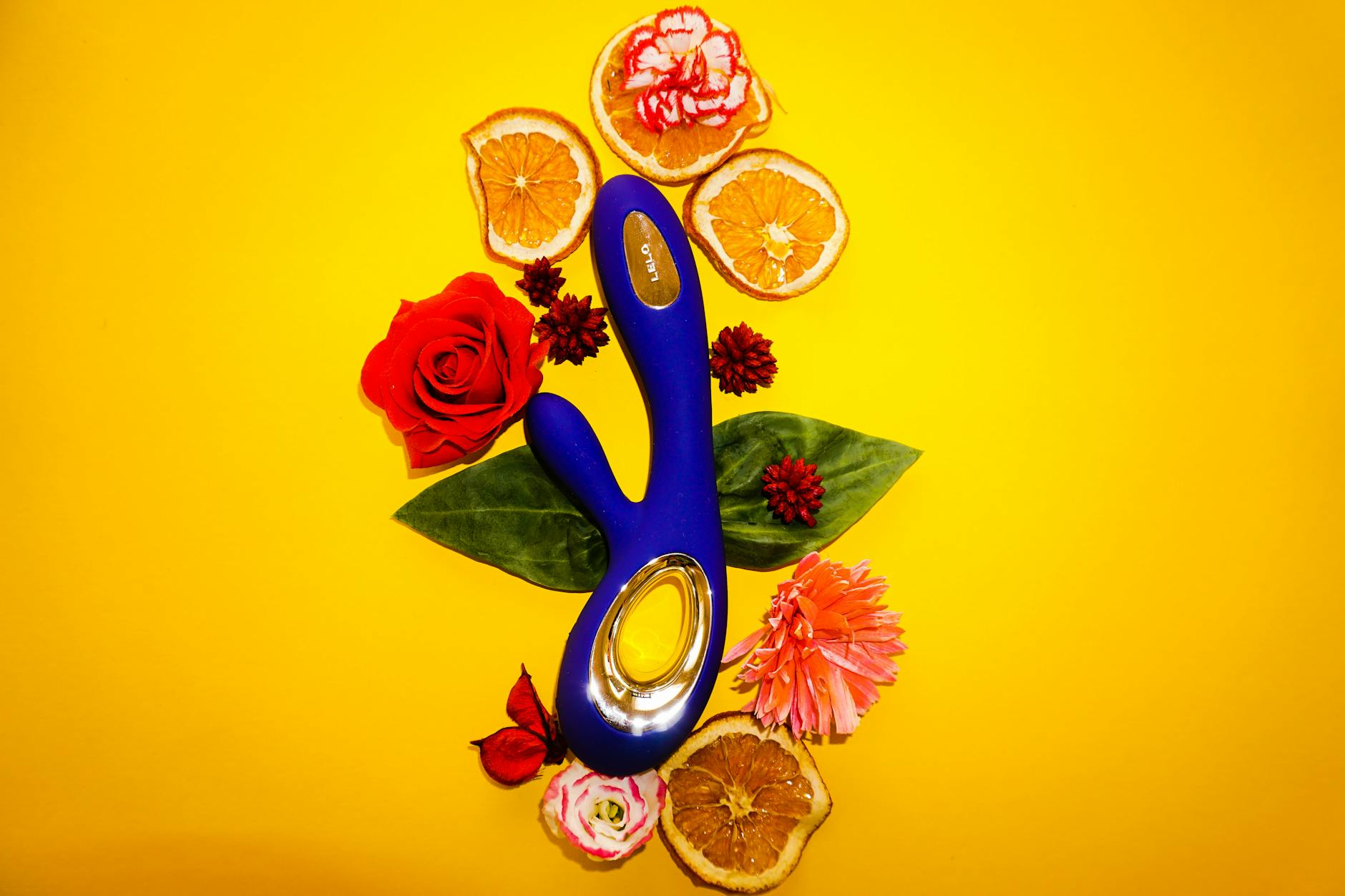
Here's what happens when hormones shift
Starting hormonal therapy, whether it's HRT, testosterone, or any other hormone treatment, changes how your body responds to touch. Not in a bad way. Just different. Your nervous system is literally recalibrating, and your arousal timeline will feel unfamiliar for a while.
Most people don't expect this. They assume pleasure will work exactly as it did before, and when it doesn't, they panic or give up. But this adjustment period is totally normal and temporary. Using a lemon clitoral vibrator during this transition requires a slightly different approach.
Why sensation and timing shift on hormonal therapy
Hormones regulate blood flow to your genitals, nerve sensitivity, lubrication, and how quickly your arousal builds. When you introduce new hormones, every one of these things recalibrates. This is why you might notice your orgasm takes longer to arrive, or your usual patterns feel muted.
It's not permanent. Your body will adapt, usually within 4 to 12 weeks depending on the hormone type and your individual chemistry. But during that window, forcing yourself back into your old routine with a lemon vibrator can feel frustrating or even uncomfortable.
The good news: there's a gentler way to work with your body instead of against it.
Start with lower intensity patterns
When your hormones are in flux, your nerve sensitivity is too. What felt perfect before might feel too intense now, even on the same device. The Lem vibrator's suction-based design is actually ideal here because you have granular control.
Start on pattern 1 or 2, not your usual setting. Let your body wake up gradually. Think of it like a warm-up before exercise. Your tissues need time to engage before the stronger sensations arrive.
If pattern 2 feels good after a few sessions, try pattern 3. Move up only when you feel ready, not on a schedule. This isn't about rushing to your old comfort zone. It's about meeting your body where it is right now.
Budget way more time
One of the most common shifts during hormonal adjustment is that arousal takes longer to build. Your brain might be turned on, but your body needs more lead time. This is especially true if you're on testosterone therapy or lower-dose estrogen formulations.
Instead of expecting orgasm in 5 to 10 minutes, plan for 15 to 25 minutes. That extra time isn't a sign something's wrong. It's just how your body is working at this moment. Use it. Spend time on foreplay, mental arousal, or just exploring what feels good without the goal of orgasm in mind.
Many people find that when they stop fighting the timeline and actually honor it, pleasure deepens. The journey becomes more nuanced than the destination.
Use more lubrication than you think you need
Hormonal changes often affect natural lubrication, even if you're on therapy designed to support it. External lubrication isn't a sign of failure. It's a practical tool that makes everything feel better.
Use a water-based lube with a lemon clitoral vibrator. Apply it generously before you start, and reapply midway through if things feel dry. This protects your tissue, reduces any sensation of friction discomfort, and paradoxically often makes orgasm easier to reach because your nervous system isn't working overtime compensating for dryness.
Watch for overstimulation
Some people on hormonal therapy experience increased sensitivity. This is wonderful except when it tips into overstimulation. If a few seconds of the Lem vibrator makes you feel zapped or raw, you're hitting too much stimulation at once.
Try these adjustments: use lower patterns, apply more lube to buffer the sensation, take longer breaks between sessions (every other day instead of daily), or switch to a slower warm-up phase before using the vibrator at all.
Overstimulation usually passes as your body adapts, but forcing through it just teaches your nervous system to brace instead of relax. That's counterproductive.
Check in with your body's actual response
Here's something most people don't do: they assume arousal is supposed to feel a certain way. During hormonal adjustment, it might feel different. Maybe your body feels more relaxed and less urgent. Maybe orgasm builds differently. Maybe your erogenous zones shift slightly.
None of this is wrong. It's information. Pay attention to what actually turns you on right now, not what used to. You might discover preferences you didn't know you had.
Photo by cottonbro studio on Pexels
Communicate with your partner if you have one
If you're navigating this with a partner, the single most important thing is separating physical change from emotional connection. Your longer arousal timeline or different response has nothing to do with how you feel about them. But your partner might feel confused or rejected if you don't spell this out.
Have the conversation outside the bedroom: "My body is adjusting to hormonal changes. Arousal is taking longer right now, and I want to use a lemon vibrator to explore what's working. This isn't about you. It's about me rebuilding my own sense of pleasure.