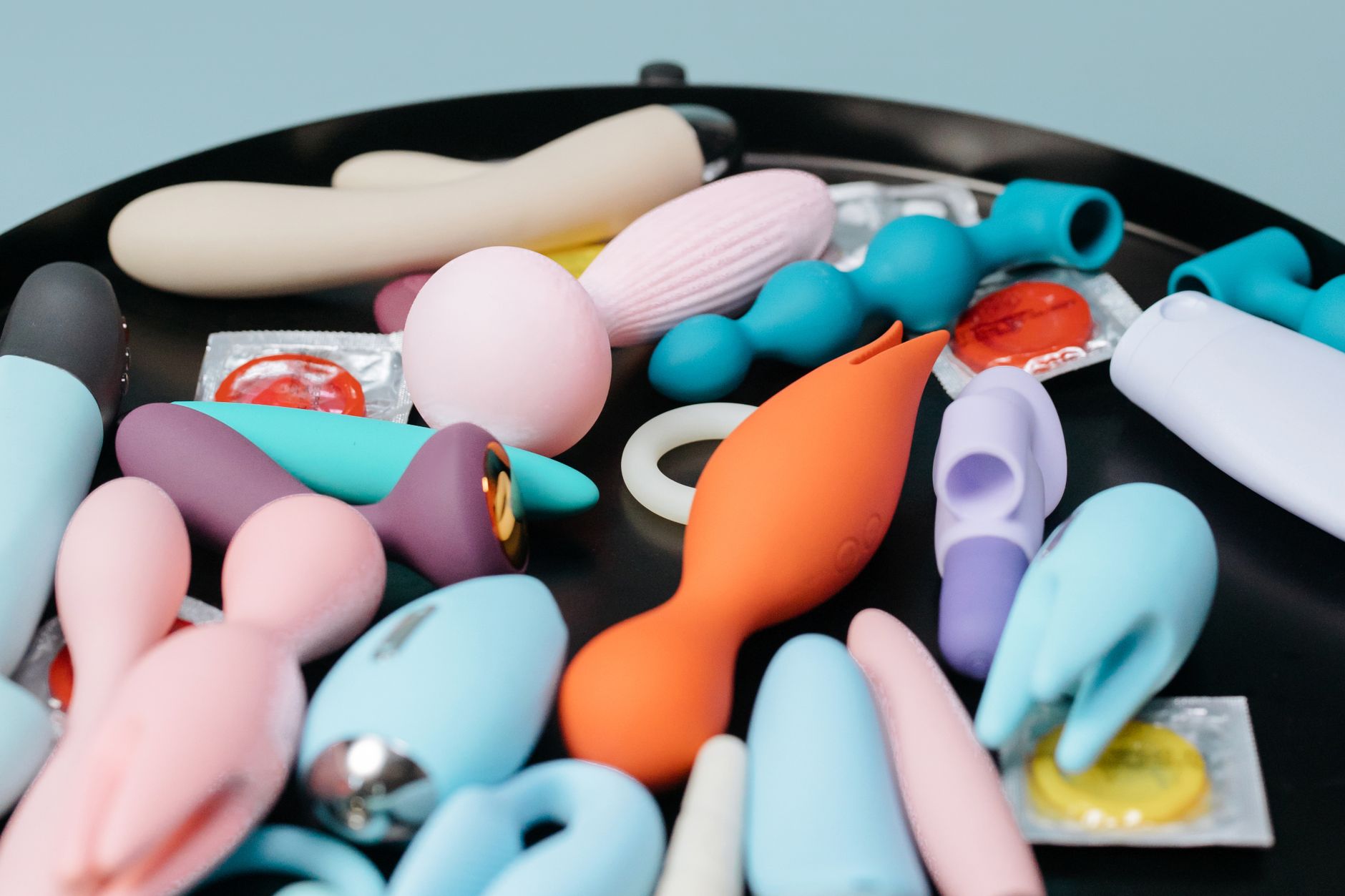
Here's the thing about vibrators
Not every lemon vibrator works the same way for every body. The pattern that sends one person over the edge in seconds might feel like static to someone else. Sensitivity, anatomy, nerve density, and even your stress level that day all play a role. Knowing your own body well enough to pick the right tool is half the pleasure.
I've worked with hundreds of people through relationship transitions and intimacy questions, and one pattern keeps showing up: someone buys a vibrator that's objectively "good," uses it twice, and sticks it in a drawer because it doesn't feel right. Usually that's not a fault in the vibrator. It's a mismatch between the device and the nervous system using it.
Why bodies respond differently to the same pattern
Your clitoris has roughly 8,000 nerve endings packed into a small space. But the density, the way those nerves branch, and which types of nerve fibers dominate your particular anatomy all vary wildly. Some people's clitoral tissue responds best to steady, continuous pressure. Others need rhythmic pulsing to feel anything at all. Some want patterns that build and release. Some want pure intensity, no storytelling.
Add in hormonal cycles, stress, hydration, pelvic floor tension, and medication side effects, and you're looking at a system that's genuinely individual. The lemon clitoral vibrators at Hello Nancy work across a spectrum of pattern options and intensities specifically because one setting doesn't fit everyone.
Think of it like coffee. The machinery is the same, but whether you need a single shot or a double, whether you want it hot or cold, whether you take it black or with cream, comes down to your actual preference, not someone else's recommendation.
The three sensitivity profiles and what works
High sensitivity. If you feel sensation quickly and strongly, you need lower starting intensity and gentler patterns. Many high-sensitivity people benefit from starting at pattern 1 or 2 on a lemon sucker and letting the build happen gradually. Rapid-fire pulsing might overwhelm or numb the area. You're likely to enjoy patterns that have rhythm and space, not constant bombardment. Warmup time matters. Don't jump straight to the tool; spend a few minutes with hand stimulation first.
Medium sensitivity. You need a mid-range pattern that's strong enough to register but not so intense that it creates pressure sensations instead of pleasure. Most people in this zone do well with patterns 3-5, depending on the day. Medium-sensitivity bodies often enjoy a mix: maybe a pattern to build arousal, then a switch to something stronger as you get closer. The beauty here is flexibility.
Low sensitivity. You might need consistently higher intensity or prefer patterns that stimulate in a novel way. Some low-sensitivity bodies respond better to varied patterns than constant ones. The novelty keeps the nervous system engaged when steady intensity stops registering. Lemon vibrators with multiple pattern options give you this flexibility without needing multiple devices.
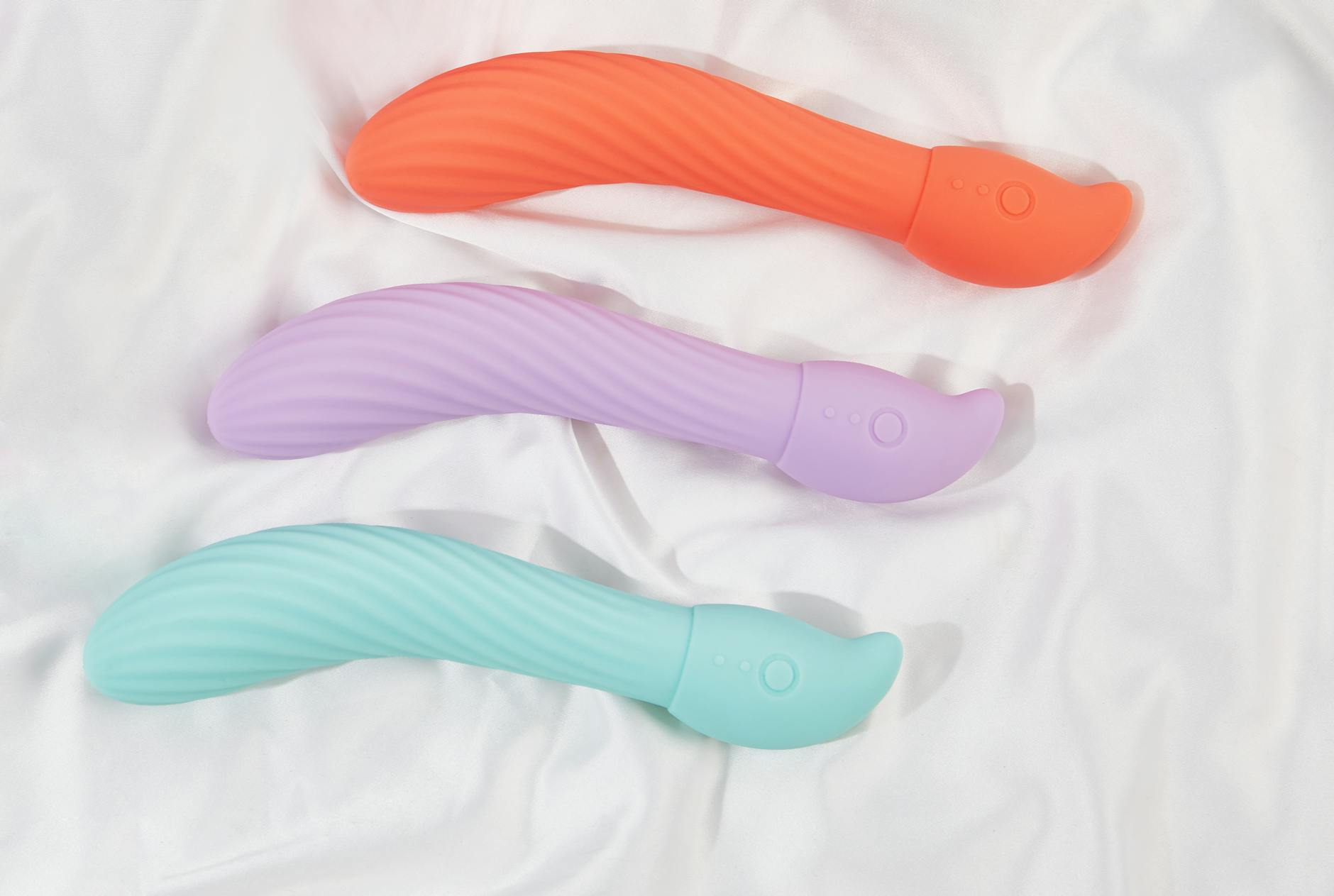
Photo by IFONNX Toys on Pexels
Anatomy matters more than you think
Clitoral anatomy varies. Some people have a more prominent clitoral hood that creates indirect stimulation. Others have less tissue coverage and prefer direct contact. Some have a more forward-facing clitoral complex; others angle differently. This isn't right or wrong. It just means the same tool makes contact in different ways depending on your shape.
When you're testing a lemon vibrator, pay attention to whether you're getting stimulation of the external clitoral body, the glans, or the internal roots. Try angles. Try positioning the device at different points of contact. Some people find the sweet spot is slightly off-center. Others need the pattern to cover a wider area. A tool that works perfectly for someone with a more protected clitoral anatomy might not work at all for someone with a more exposed configuration, even if both have identical sensitivity levels.
This is why testing and adjusting matters. The lemon vibrators in Hello Nancy's collection are designed with this anatomical variation in mind, which is why people with very different bodies often find a good fit.
Pelvic floor tension changes everything
If your pelvic floor muscles are chronically tight, you might feel sensation as pressure or even mild pain instead of pleasure, even with a perfectly matched vibrator. Tension can flatten the sensation landscape. Conversely, if your pelvic floor is too relaxed or hasn't been engaged in a while, you might feel less sensation overall.
Before you blame the vibrator, check your pelvic floor. Can you consciously relax it? Do 30 seconds of deep breathing where you actively release the area, then try the vibrator again. Many people find that two minutes of pelvic floor relaxation changes the whole experience.
If tightness is chronic, that's worth addressing separately. A pelvic physical therapist can help. But in the moment, awareness and breathing matter.
Hormones, stress, and why the same vibrator feels different every time
Your cycle, your stress level, your sleep, whether you've eaten, how much you've had to drink all shift sensitivity. A pattern that felt incredible on Tuesday might feel flat on Friday. This isn't your imagination. It's your nervous system responding to genuine changes in your body's state.
Many people find that taking a few breaths, doing a body scan, or spending extra time on mental arousal helps reset sensitivity back to baseline. If you're consistently finding that a vibrator isn't working, rule out the external factors first: Are you actually relaxed? Are you hydrated? Do you have time and mental space, or are you rushing?
The lemon vibrators at Hello Nancy have enough pattern range that you can adjust to these shifts without changing devices. If you're not feeling a pattern today, try the next one up. If you feel overwhelmed, go down. Flexibility is part of what makes a good tool.
How to find your starting pattern
If you're new to lemon vibrators or have struggled with devices in the past, here's how to experiment:
Start with pattern 1 or 2. This is lower intensity and usually closer to the rhythm of natural arousal. Spend a full minute here before deciding if it works. Many people rush and assume nothing's happening when they're actually just warming up. Build anticipation.
If pattern 1 feels like almost nothing after a minute of focus, move to pattern 2. If pattern 2 still isn't registering, try pattern 3. Once you find a pattern where you feel clear sensation, stay there for a few minutes. Let your body build arousal. Then try the next pattern up if you want more.
Some people will find their sweet spot at pattern 2 and never need anything else. Others will rotate through patterns depending on where they are in arousal. There's no wrong answer.
Don't assume a lemon sucker isn't for you because the first pattern felt wrong. Sensitivity isn't fixed. It builds. The nervous system warms up to stimulation over time, which is exactly why pacing matters.
External factors that shift how you experience any vibrator
Lubrication changes sensation. More lube can actually reduce feeling because it's creating a cushion. Less lube increases sensation but can get uncomfortable. Water-based lube is your friend for testing, because you can add or remove it easily.
Clothing and positioning change everything. Underwear on creates a different sensation than direct contact. Lying down is different than sitting. Standing and moving is different than stillness. None of these are wrong. They're just different input for your nervous system.
Mental state matters wildly. Distraction kills sensation. Anticipation heightens it. Relaxation opens it. Tension clamps it down. The most common reason a vibrator feels mediocre is that you're not actually in your body while using it. Three minutes of actual focus and breathing will teach you more about what a lemon vibrator can do than ten distracted sessions.
When sensitivity changes over time
If you've been using a vibrator regularly and suddenly the patterns that worked feel flat, that's not necessarily an equipment failure. Your nervous system adapts. It's not numb. It's habituated.
Rotation helps. If you've been using pattern 4 regularly, spend a week with pattern 2. Let your nervous system recalibrate. Many people find that stepping back actually restores intensity when they come back to their preferred pattern.
Take breaks. A day or two without vibration can reset sensitivity. Some people find that returning to hand stimulation for a week reminds them what baseline feels like.
Try different patterns in different contexts. A pattern that feels mild during routine use might feel incredible when you're on the edge of orgasm. Patterns that build pleasure slowly often work better for overall experience than patterns that spike intensity from the start.
The right choice starts with honest self-knowledge
Before you pick a lemon vibrator or any clitoral vibrator, get honest about what you actually like. Not what you think you should like. Not what worked for someone else. What makes your body respond. Do you like steady sensation or novelty and change? Do you like building slowly or immediate intensity? Do you prefer patterns or continuous stimulation? Do you want something that gets you there fast or something that extends the experience?
If you're not sure, that's exactly why starting at a lower intensity with a tool that has multiple options makes sense. You can test your own preferences safely and adjust as you learn.
Having the right vibrator for your body isn't a luxury. It's the difference between a tool that works and one that sits unused. And your pleasure absolutely deserves to work.
People also ask
What intensity level should I start with on a lemon vibrator?
Always start at the lowest setting, typically pattern 1 or 2. Spend at least a minute at this level with focus and breathing before moving up. Many people assume lower patterns aren't working because they expect immediate sensation, but the nervous system needs a moment to register and respond. You can always go stronger. You can't un-intensify once you've gone too far.
Can I use a lemon clitoral vibrator if I have really sensitive skin?
Yes, but with intention. Lower patterns and shorter sessions help. Make sure you're using water-based lube, which reduces friction and pressure. Start with just 30 seconds of contact rather than minutes. Pay attention to whether you're feeling pleasure or irritation. If your skin is reacting, that's different from sensitivity of the nerves themselves. That usually means you need more lubrication or less direct pressure. Try positioning the vibrator so it's making contact through the clitoral hood rather than direct glans contact if direct feels overwhelming.
Why does the same lemon vibrator feel different depending on the day?
Hormones, stress, hydration, sleep, pelvic floor tension, and mental state all affect how your nervous system processes sensation. This is normal and not a sign the vibrator is broken. If it felt good once, it can again. The variables shifted. Check your basics: Are you actually relaxed? Hydrated? Present mentally? Do you have time? Often resetting those things resets the sensation. If it's consistently different, it might be worth checking in with hormones or stress levels.
How do I know if I'm experiencing numbness versus just low sensitivity?
Numbness usually feels like the area has lost sensation entirely, like your clitoris has gone to sleep. Low sensitivity feels like you can feel the vibrator, but the sensation isn't strong enough to build arousal. Numbness typically happens after prolonged, intense stimulation and resolves with rest. Low sensitivity is your baseline for that day or moment. If you're experiencing numbness, take a break, stretch, breathe, change position, and try again in 10 minutes. If it's low sensitivity, try a stronger pattern or add lubrication to change the sensation profile.
Can a lemon sucker work for people with internal pelvic pain or endometriosis?
It depends on your individual symptoms. External clitoral stimulation is often safer than penetrative toys for people with internal pain conditions. However, if any contact creates pain, that's information. You might need even lower intensity, more external positioning, or a break altogether. This is worth discussing with a healthcare provider who knows your history. Some people with pelvic pain conditions find that external vibration actually helps with tension and sensation over time. Others need to avoid it. Your body will tell you which you are.
Is it normal to need a stronger pattern than someone else?
Completely normal. Nerve density, anatomy, hormones, and baseline nervous system arousal vary. Someone needing pattern 5 doesn't mean their body is broken or less sensitive. They just have a different nervous system. The same way some people need more salt, more spice, more coffee. There's no normal. There's just your normal. A good lemon vibrator has range so you can find yours without guilt or comparison.
Final thought
The right vibrator is the one that matches your body, not the one that looks best or costs the most. Start low, pay attention, and give yourself permission to adjust. Your pleasure is worth taking the time to understand what actually works for you.