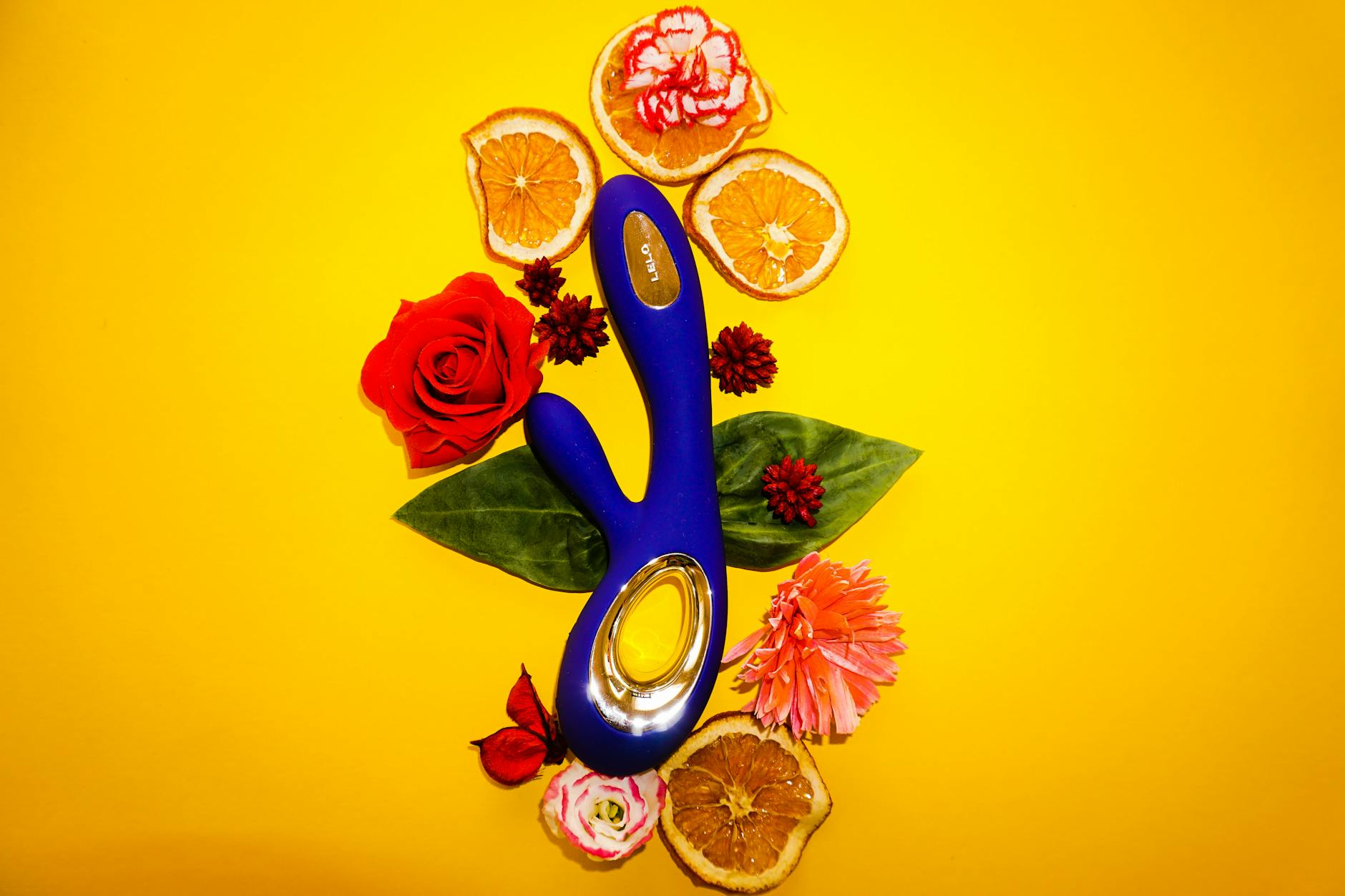
Let's talk about what actually happens
Hormonal shifts mess with pleasure in ways nobody fully explains. Your arousal might take longer to build. Sensation might feel duller. Orgasms might shift in intensity or location. But here's the thing that gets left out of most conversations: your capacity for pleasure is still completely there. The wiring is intact. The nerves work fine. What's changing is the speed and the substrate on which arousal happens.
I've worked with hundreds of couples navigating hormonal transitions, and the pattern is always the same. People assume their pleasure is broken. It isn't. It's recalibrating.
How hormones actually affect sensation
Estrogen influences tissue thickness, blood flow to the genitals, and how quickly nerves fire in response to stimulation. Progesterone affects arousal appetite and mental clarity. Testosterone drives desire itself. When any of these shift, your body responds differently to the same input.
That doesn't mean less pleasure is possible. It means the route to pleasure has changed.
When tissue is thinner or less engorged, direct friction can feel uncomfortable or numb. This is where lemon vibrators shine. Suction-based stimulation like the lemon clitoral vibrator works on a different principle than traditional vibrators. Instead of relying on rapid back-and-forth friction, they use gentle, rhythmic suction that stimulates the thousands of nerve endings in the clitoris without requiring thick, engorged tissue to transmit sensation.
The result: many people find their most intense orgasms happen after hormonal shifts, once they discover a tool that fits their new body.
Why arousal takes longer (and why that's not a problem)
When estrogen dips, blood flow to the genitals becomes slower and less automatic. Your brain still knows how to want sex. Your nerves still respond to touch. But the warm-up phase gets longer. Where you used to feel ready in five minutes, now it takes fifteen or twenty.
This is normal. It's also actually useful information. Longer arousal phases mean more foreplay time, more mental engagement, more opportunity to build emotional intimacy alongside physical sensation. Couples who can reframe this shift often report that their sex life deepens rather than shrinks.
The practical move: budget more time. Start touching earlier. Use lower-intensity settings on your lemon clitoral vibrator and work upward slowly. Let arousal build gradually instead of expecting it to spike immediately.
The tissue-thinning piece (and how to address it)
When estrogen levels drop, the vaginal and clitoral tissue becomes thinner and less naturally lubricated. This is called genitourinary syndrome, and it's really common. The temptation is to blame yourself. Don't. Your body is responding to a chemical reality.
Here's what helps:
Water-based lubricant is essential, not optional. Use it generously, and reapply as needed. Your clitoris deserves the same lubrication consideration as your vagina does.
Choose stimulation that doesn't rely on friction force. Lemon suction vibrators work beautifully here because they create sensation through gentle pressure rather than mechanical grinding. The suction cups the tissue without requiring it to be thick or fully engorged.
Start at lower intensity patterns. Most lemon adult toys have multiple settings. Begin at pattern one or two, spend time there, and only move up if you want to. Your pleasure doesn't require maximum intensity.
Mental clarity as a pleasure amplifier
Here's something I see across the board: when hormone-driven brain fog lifts, pleasure often intensifies. The mental load of cycling hormones, mood regulation, fertility tracking, or medication side effects is real, and it's always on in the background during sex.
When that quiets down, something shifts. You're more present. You're less distracted by your own body's signals. You can focus on actual sensation instead of managing ten background processes.
This is one reason why lemon vibrators often feel more effective after hormonal shifts. You're not just getting better technology. You're also showing up with less mental friction. The combination compounds.
Rebuild your arousal map from scratch
Here's an uncomfortable truth: what worked before might not work now. The touch that used to send you into orbit might feel numb. The toy you loved might be uncomfortable. The timing that fit your rhythm has shifted.
Instead of trying to force the old map to work, build a new one. Explore. Test different intensities on your lemon clitoral vibrator. Notice when sensation lands best. Track whether mornings feel different than evenings. Pay attention to whether your arousal curve is steeper on certain days.
This isn't starting from zero. You already know your own capacity for pleasure. You're just learning the new access routes.
What to communicate to a partner during this transition
If you're in a relationship, the conversation matters enormously. And it needs to be specific, not vague.
Don't say: "I'm just not as into sex right now." That lands as rejection.
Do say: "My body's arousal curve has changed. I need longer warm-up time, and I've found that lemon vibrators work way better for me now than traditional toys. Can we build that into how we approach intimacy together?"
The difference is huge. The first makes it about desire. The second makes it about information. Your partner can work with information. They can't fix a feeling they don't understand.
Most partners are relieved to have a concrete reason and a concrete solution. Shame disappears when you have a narrative that makes sense.
When sensation comes back (and sometimes it's better)
Hormonal shifts aren't permanent frozen states. If you're on hormone therapy, sensation often returns within weeks. If you're riding out a natural transition, sensation gradually recalibrates. And here's the thing nobody tells you: many people report that their most satisfying orgasms of their entire lives happen once their body settles into its new hormonal baseline and they've figured out what works.
The combination of having permission to slow down, tools that actually work for your current body, and a partner who understands what's happening creates space for pleasure that wasn't possible before.
Keep your lemon vibrator. Even if sensation returns to what it was, the lemon clitoral vibrator often remains the most efficient, most reliable way to reach climax. It's not a symptom treatment. It's just a better tool.
When to see a specialist
If you're experiencing pain, loss of sensation that doesn't improve, or a complete collapse of desire that doesn't bounce back within a few months, talk to a healthcare provider trained in hormonal transitions. There are treatments that actually work. Topical estrogen creams have minimal systemic absorption and can rebuild tissue thickness rapidly. Testosterone therapy, in the right dose, can restore desire. An IUD or patch might be shifting your hormonal picture in ways that a dose adjustment could fix.
You don't have to white-knuckle through this. Medical support exists.
FAQ
Do lemon vibrators work if my sensation feels completely numb right now?
Yes, usually better than traditional vibrators. Suction-based stimulation works differently than friction vibration. It creates sensation through pressure and rhythm rather than requiring sensitive, responsive tissue. Many people with hormonal numbness report that a lemon clitoral vibrator is the first thing that creates any sensation at all. Start low, go slow, and give it time.
How long does it usually take to feel pleasure again after hormonal shifts?
It varies widely. Some people notice improvement within two to three weeks of starting hormone therapy or adjusting medication. Others take two to three months for their body to settle. A few take longer. The good news: pleasure almost always returns. It just looks different than it did before.
Can I use the same lemon vibrator settings I used before my hormones shifted?
Probably not, at least initially. Lower intensity settings become your friend when tissue is more sensitive or less engorged. What used to feel gentle might now feel intense. What used to feel strong might now feel impossible. This is normal. Reset your baseline and rebuild from there.
Is it normal for my orgasms to feel different after hormonal changes?
Completely normal. Orgasms might feel more concentrated. They might build more slowly. They might feel less full-body and more localized. They might feel better. All of this is your nervous system adjusting to new hormonal conditions. None of it means something is wrong.
Should I tell my partner about hormonal changes affecting my pleasure, or just figure it out alone first?
Tell them. Figuring it out alone often creates distance and confusion on both sides. Your partner likely senses something has shifted anyway. A clear conversation turns confusion into collaboration. If you've found that lemon vibrators work better for you, that's useful information to share. Most partners want to help. They just need to know what you need.
What if my pleasure doesn't come back even with a lemon clitoral vibrator?
It usually does, but sometimes it takes professional support. Pleasure loss can be physiological, psychological, or relational. A therapist who specializes in sexual health can help you figure out which piece is in play and what actually needs attention. If you want to talk through your specific situation, we're here to listen.
Moving forward
Your pleasure didn't break. Your body is working exactly as it should given the hormonal conditions it's navigating. The shift from traditional vibrators to lemon vibrators, the longer arousal time, the need for more lubrication, the different sensation geography. These are all your body doing its job, not your body failing you.
The couples and individuals I work with who move through hormonal transitions most gracefully are the ones who treat it as information rather than loss. New arousal map. Different tools. More time. A partner who understands what's happening.
That's the recipe. And almost always, pleasure not only returns. It deepens.
If you want to talk through what's happening in your specific situation, reach out. We're here to help.