The honest trade-off nobody warns you about
SSRIs work. They stabilize serotonin, lift depression, kill anxiety. But they come with a side effect that gets whispered about instead of discussed openly: sexual sensation flattens. Orgasms take forever. Arousal feels muted. And suddenly pleasure, which used to be uncomplicated, becomes another thing you have to troubleshoot.
Here's what I hear from clients most: "I chose my mental health, and I'd make the same choice again. But I miss feeling things." That's not dramatic. That's the real cost of SSRIs, and it's worth naming because the solution isn't to quit medication. The solution is understanding why this happens and using the right tools to work around it.
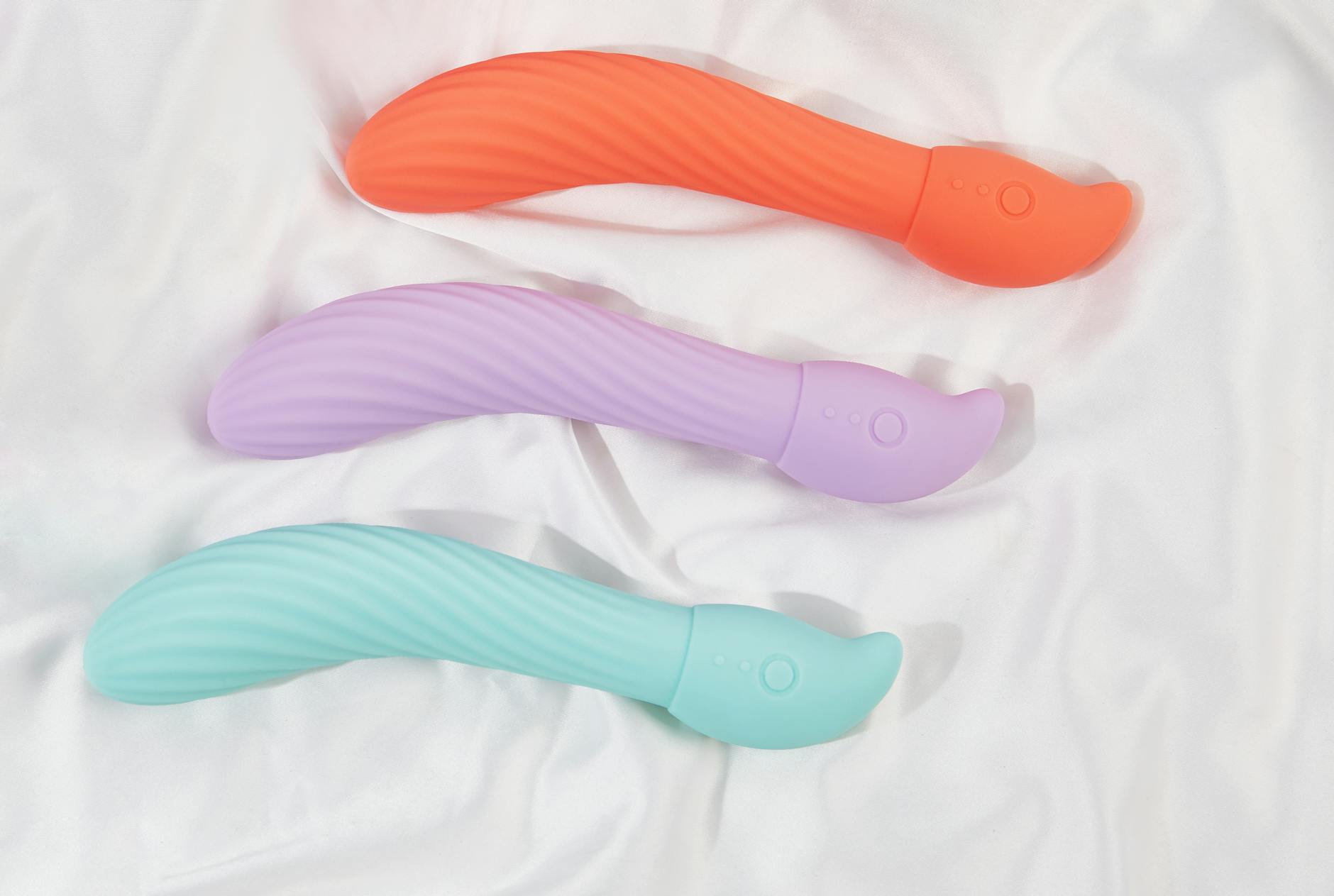
Lemon vibrators and suction-based clitoral stimulation aren't a hack. They're actually the most effective workaround I recommend because of how they interact with the specific changes SSRIs create in your nervous system.
Why antidepressants flatten sensation in the first place
SSRIs increase available serotonin in your brain. That's good for mood and anxiety. But serotonin also suppresses dopamine and norepinephrine, the neurotransmitters that fire during arousal and orgasm. Think of it this way: SSRIs turn up the volume on calm and turn down the volume on sexual response.
The effect shows up in three places. First, arousal takes longer to build because the nervous system is, by design, slightly less reactive. Second, physical sensation feels muted because SSRIs blunt the intensity of sensory input across the board. Third, orgasm either gets delayed (you're chasing it for 30 minutes) or becomes shallow and hard to reach at all.
There's also a psychological layer. Some people on SSRIs report that sexual thoughts simply don't arise the way they used to. You're not depressed, but you're also not thinking about sex. That's the drug working. It's also deeply frustrating.
What lemon vibrators do differently
A lemon vibrator uses suction and pulsing to stimulate the clitoris. This is mechanically different from traditional vibration. Instead of friction against the external surface, suction draws the clitoral tissue into a cup and releases it rhythmically, creating a chain reaction in your nervous system that doesn't require the same baseline arousal to activate.
Here's why that matters for SSRI bodies. A traditional vibrator demands that you already be somewhat aroused for sensation to feel good. If your baseline arousal is muted by medication, a regular vibrator can feel buzzy and irritating instead of pleasurable. You're asking already-quiet nerve endings to scream, and they won't.
A lemon clitoral vibrator bypasses that. Suction creates sensation even when arousal is low. You don't need to be already turned on for it to feel something. The suction wakes up nerve endings without needing the dopamine spike that SSRIs have suppressed.
I had a client describe it like this: "With a regular vibrator, I was still waiting for my body to cooperate. With the lemon, my body had something to cooperate with." That's exactly the difference.
The pattern-switching strategy that actually works
Most people think vibrators are one-speed tools. They're not. The lem vibrator offers multiple suction intensities and pulse patterns, and the secret to using it after SSRIs is switching patterns midway through.
Here's what I recommend: start on pattern 1 or 2, the gentlest suction. Spend 5 to 10 minutes there. Your nervous system is used to being calm. Jumping straight to intense stimulation reads as overwhelming, not pleasurable.
Then switch. Move to pattern 3 or 4 where the rhythm increases. The change in intensity actually triggers a small arousal spike that feels new and noticeable. After another 5 minutes, switch again. You're essentially creating mini-waves of stimulation instead of one flat line. This pattern work is particularly effective with SSRI bodies because you're working with your flattened baseline instead of against it.
Final pattern switch, if you want it: go back down. Some people find that returning to a gentler pattern after intensity creates the sensation of building again, which can help push toward orgasm.
Timing and medication windows
SSRIs hit your system at different times depending on dosing. For most people, sensitivity is lowest in the first few hours after you take the pill, and slightly better 12 to 18 hours in.
This isn't a reason to avoid pleasure entirely, but it's worth knowing. If you take your SSRI in the morning, afternoon and evening are generally better windows for sensation to feel more alive. If you take it at night, morning sometimes feels slightly more receptive.
I'm not suggesting you schedule your pleasure around medication. But if you've been struggling with sensation, trying to explore at different times of day can reveal which window feels better. That's useful data.
When sensation improves and when to adjust expectations
Here's the thing nobody tells you: SSRIs often improve sexual function over time. Not immediately. After 8 to 12 weeks on a stable dose, many people find that sensation normalizes somewhat. Not back to baseline, necessarily, but noticeably less muted.
If you're in the first few weeks of starting an SSRI, or you've just increased the dose, give it time. Sexual side effects often settle. Your body is adjusting.
That said, for some people on SSRIs, sensation never fully returns to baseline. That's real. And it's where tools like lemon vibrators and suction-based clitoral stimulation become long-term parts of your pleasure life, not temporary workarounds.
There's nothing wrong with that. Your nervous system is stable. Your mental health is protected. And you get to have good sex. That's the win.
Lubricant becomes essential, not optional
SSRIs often reduce natural lubrication, and even if they don't directly, sensation being muted means some people don't lubricate as readily because the arousal signal is quieter. Water-based lubricant with a lemon clitoral vibrator is the combination that works best.
Lube does two things here. First, it ensures the suction cup seals properly, which improves how the vibrator actually works. Second, it signals to your body that this is a pleasure activity, even if your nervous system doesn't naturally cascade into arousal the way it used to. That psychological permission matters.
Managing expectations with partners
If you're in a relationship, your partner deserves to know what's happening. Not as apology. As information. "I'm on an SSRI that mutes sensation. Here's what that means for us. Here's what helps." That conversation matters because otherwise partners interpret slower arousal or difficulty orgasming as not being attracted to them. It's not. It's neurobiology.
Using a lemon vibrator with a partner can actually deepen things if you frame it right. Instead of sensation being a problem, it becomes something you explore together. They see what brings you pleasure. You get to experience pleasure without performing. How to introduce lemon vibrators to your partner without discomfort or shame is a bigger conversation, but the foundation is honesty.
The medication conversation you might need to have
If sexual side effects are severe and persistent, talk to your prescriber. Not because you should quit SSRIs. But because there are options. Some people switch to a medication like bupropion, which actually enhances arousal. Some add a second medication that counters sexual side effects. Some adjust timing or dosage.
Your psychiatrist or GP wants you to be on medication that works and that you'll actually stay on. If sexual dysfunction is so severe that you're considering stopping your SSRI, that's worth discussing. There might be a solution that protects your mental health and your pleasure.
But here's what I want to be clear about: a lemon vibrator, used thoughtfully, can solve this problem without medication changes. Many of my clients have found their full sexual self again with suction-based stimulation and patience. You don't have to choose between mental health and pleasure.
FAQ: Your questions answered
Do lemon vibrators work for everyone on SSRIs?
Most people see improvement with suction-based stimulation because the mechanism doesn't rely on baseline arousal. But everyone's neurobiology is different. SSRIs affect people differently. If the first experience with a lemon vibrator doesn't click, try a different pattern, a different time of day, or try a few more sessions. Sensation sometimes takes time to wake back up.
Can I use a regular vibrator alongside a lemon vibrator?
Absolutely. Some people find that starting with a lemon vibrator to build sensation, then switching to a traditional vibrator once arousal is higher, works well. You're using the lemon to overcome the flattened baseline, then using the other tool to finish.
Does lemon vibrator intensity matter less when you're on SSRIs?
Actually, the opposite. You want to start lower and build up, because your nervous system is already calm. High intensity right away can feel jarring instead of good. The lemon's multiple patterns are perfect for this.
How long until I notice better sensation with a lemon vibrator?
Most people feel a difference in the first few sessions. Suction creates sensation even when arousal is low, so the immediate effect is real. But the deeper effect, where your overall arousal starts returning, can take a few weeks of regular use as your nervous system re-learns what pleasure feels like.
What if I'm having trouble with orgasm timing too?
Orgasm delay is separate from sensation, though related. The pattern-switching strategy helps here too because variety can push you over the edge when monotony won't. Some people also find that combining lemon vibrator use with better lemon vibrator patterns and settings for different types of stimulation creates enough novelty that orgasm becomes possible again.
Should I tell my therapist I'm using a lemon vibrator to manage SSRI side effects?
Yes. A good therapist wants to know about workarounds that are helping you stay on medication that works for your mental health. This isn't a question. It's useful clinical information.
The bottom line
SSRIs are a trade-off. Your mental health matters more than sensation, and you made the right call. But you don't have to accept permanently flattened pleasure as the price. Lemon vibrators and suction-based clitoral stimulation give your body a tool that works with the neurochemistry SSRIs create, not against it. Patience, good lubricant, pattern switching, and honest communication with partners get you the rest of the way.
Your pleasure is worth troubleshooting. Start there.
If you have questions about how to get started or need more personalized guidance on pleasure tools and technique, reach out to our team. We're here to help.