Here's the thing about desire mismatches
One partner wants sex twice a week. The other would be fine with twice a month. This gap doesn't mean anyone is broken, but it does create a specific kind of loneliness inside the relationship. The partner with lower desire feels pressured and guilty. The partner with higher desire feels rejected and resentful. Both retreat. Sex becomes something to negotiate or avoid instead of something that brings you closer.
I see this dynamic constantly in my practice, and it's rarely about attraction. It's almost always about fear. Fear of not being able to satisfy a partner. Fear of being seen as "too needy." Fear that pleasure has become obligation rather than play.
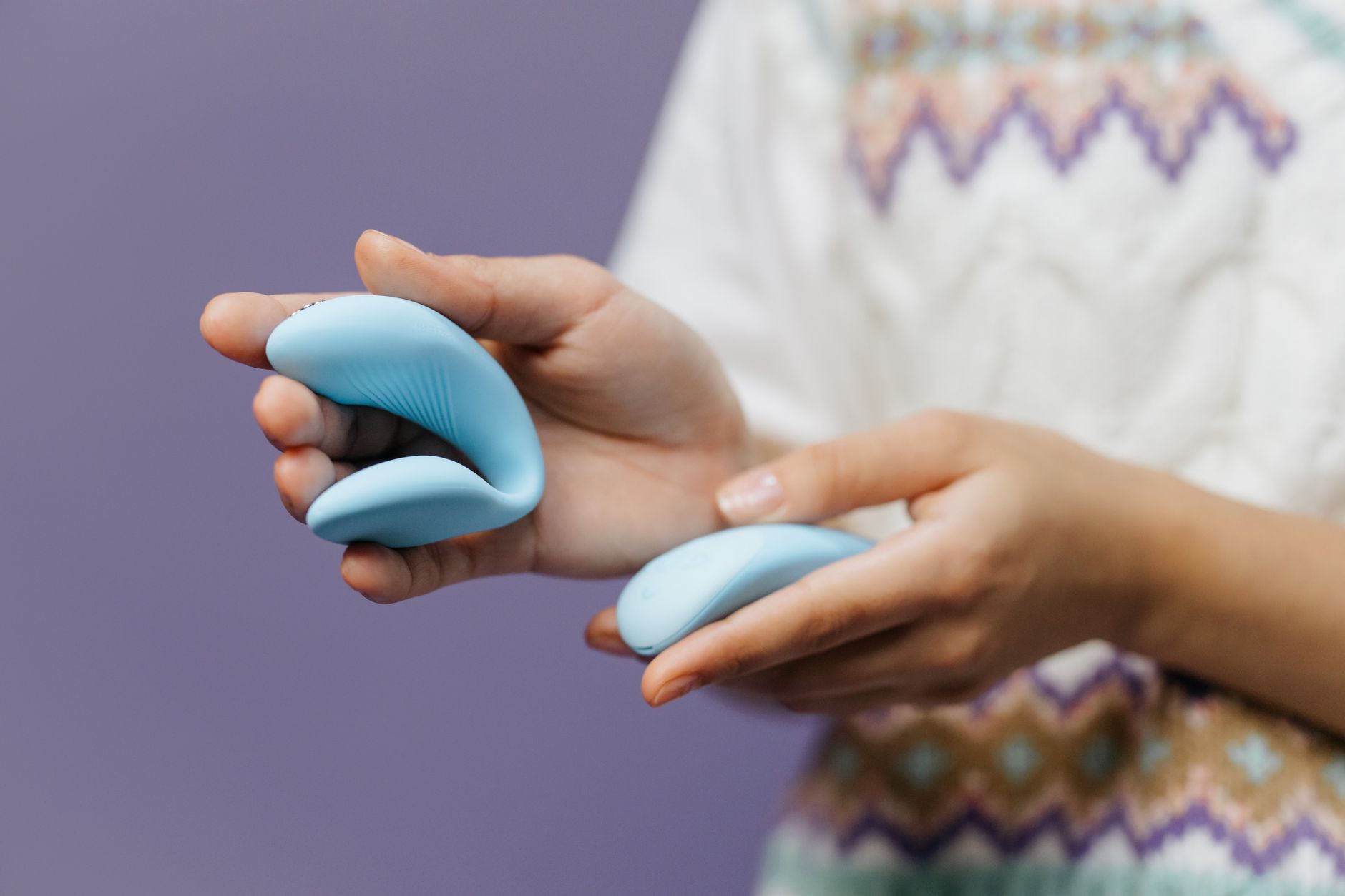
Lemon vibrators, specifically suction-style clitoral vibrators like the Lem, shift this dynamic because they change who is in control and what pleasure looks like in the moment.
Why low desire happens (it's not what you think)
Let's separate the myths from the actual reasons people pull back from sex with their partners.
Attraction doesn't usually disappear. What disappears is the feeling of safety around pleasure. After months or years of pressure (even unspoken pressure), the lower-desire partner's nervous system learns that sex is a place of performance and potential failure. They shut down not because they don't love you, but because their body is in protect mode.
The higher-desire partner misreads this as rejection of them specifically. So they push harder, initiate more, or (more often) stop initiating at all and build resentment in silence. Both people feel lonely in the same bed.
Medications like antidepressants or blood pressure meds absolutely lower desire. Hormonal birth control does too. Exhaustion, stress, unresolved conflict, and postpartum recovery all dampen libido. But even when those factors are present, the real culprit is usually emotional. The lower-desire partner has learned that sex equals pressure, and their brain is saying no to protect them.
How suction changes the equation
Here's where lemon clitoral vibrators enter. Unlike traditional vibrators, which require consistent positioning and can feel invasive or intense, suction-style toys like Hello Nancy's Lem work by creating a gentle rhythm that builds sensation without demanding anything.
This matters for couples because it removes the performance element. There's no "am I doing this right" or "is my partner satisfied yet." The Lem does the work. Your partner's only job is to feel.
For the lower-desire partner, this is huge. They're not responsible for your orgasm. They're not being watched or evaluated. They can be present without the weight of making sure you're satisfied. That permission alone often softens the nervous system enough to let pleasure back in.
For the higher-desire partner, it's a chance to be intimate without initiating sex. You can use a lemon vibrator together, explore what feels good, and rebuild the playfulness that usually gets buried under a desire mismatch.
Three ways couples use clitoral vibrators to rebuild connection
Parallel play instead of performance. You're both present, but the pressure is off. One partner uses the vibrator while the other is nearby, touching, kissing, or simply witnessing. There's no expectation of penetration or orgasm. It's sensual without being goal-oriented.
Shared exploration as foreplay. Let the lower-desire partner control the intensity or timing. They decide when to use it, how long, whether it stays or moves. This returns agency to the person who felt they'd lost it. Once control is back, desire usually follows.
A bridge between different preferences. If one partner wants more frequent intimacy, a lemon clitoral vibrator becomes the middle ground. It's quicker than partnered sex, less emotionally loaded, and it keeps connection alive without the pressure of full sexual performance.
The conversation you actually need to have
Introducing a vibrator into a relationship with a desire gap requires exactly three things: honesty, timing, and framing.
Honesty means stating the truth without blame. "I miss feeling connected to you" beats "You never want sex anymore." Say what's true for you, not what's wrong with them.
Timing means choosing a moment when you're both calm and clothed. Not during intimacy, not when you're frustrated. A regular conversation, maybe while cooking or walking.
Framing means making it clear this is about both of you. Not "I need this because you're broken," but "I want us to feel close again, and I think this could help us both relax and enjoy each other more." The Lem isn't a fix for your partner. It's a tool for your relationship.
If the lower-desire partner says no, that's information. It might mean they're not ready, or they have shame around toys, or they need something else from you first (like a conversation about unresolved conflict). Respect that. The vibrator isn't the answer if the real issue is trust or hurt.
What happens after you introduce it
Most couples report three shifts. First, the lower-desire partner's nervous system actually calms down because the pressure is off. They can be sexual without performing. Second, the higher-desire partner feels less rejected because intimacy is happening more consistently, even if it looks different. Third, both people often discover that pleasure without performance pressure is actually better than what they had before.
I've worked with couples who've used lemon clitoral vibrators to move from once-a-month to twice-a-week intimacy. Not because the lower-desire partner suddenly wanted sex more, but because sex stopped feeling like an obligation and started feeling like something they both wanted. The Lem isn't magic. But removing the pressure and rebuilding safety absolutely is.
When desire gap is a symptom of something bigger
If the vibrator helps and you both feel reconnected, you're done. But sometimes low desire in one partner signals something deeper. Infidelity. Untreated depression. A past sexual trauma that's surfaced. Resentment about how household labor or parenting is divided. In those cases, the vibrator won't fix it. Therapy will.
A good therapist (especially one trained in Gottman Method or Emotionally Focused Therapy) can help you identify what's really happening. Sometimes the desire gap is the problem. Sometimes it's the symptom.
The simple act of trying together
What I tell couples in my office is this: using a vibrator together isn't about proving anything or fixing anything. It's about saying, "I want to figure this out with you. I don't want to be lonely in this bed." That willingness to try, to be vulnerable, to do something that feels awkward because you want closeness. That's what actually rebuilds intimacy.
The lemon vibrator is just the thing in your hand. The real work is the conversation and the choice to stay curious about each other instead of retreating into judgment.