When antidepressants flatten more than just anxiety
Let's be real. One of the first things people notice after starting a new antidepressant is that pleasure gets quieter. Not gone. Quieter. The orgasm that used to arrive reliably now feels distant or takes twice as long. The desire that used to pull you toward your partner now feels more like a conscious choice than an urge. And if you're someone who struggled with arousal before the medication, it can feel like you're starting from zero.
This is real, it's temporary for most people, and it's completely fixable. But first, you need to understand what's actually happening in your body.
Why SSRIs and SNRIs change arousal
Antidepressants work by adjusting serotonin and norepinephrine in your brain. That's their job. But serotonin has a weird side effect when it comes to pleasure: higher serotonin can actually dampen sexual response. It's like your brain's pleasure volume got turned down.
This affects arousal in three specific ways:
First, your nervous system takes longer to shift into the parasympathetic state (rest-and-digest mode) where arousal happens. You're stuck slightly more in sympathetic activation, which is great for managing anxiety but terrible for relaxation.
Second, neurotransmitters that drive desire, like dopamine, become less available. Serotonin essentially crowd out the neurochemicals that make sex feel urgent.
Third, genital blood flow can slow. The physical engorgement that used to happen automatically now requires more deliberate stimulation to trigger.
The good news: none of this means your body is broken. It means your body needs different input to reach the same place.
Why lemon vibrators work better during this window
Here's where lemon suction technology becomes genuinely useful. Traditional vibrators rely on friction and steady vibration to build sensation. That works great when your nervous system is primed. But when you're on a new antidepressant, your tissues need more aggressive, more targeted stimulation to wake up.
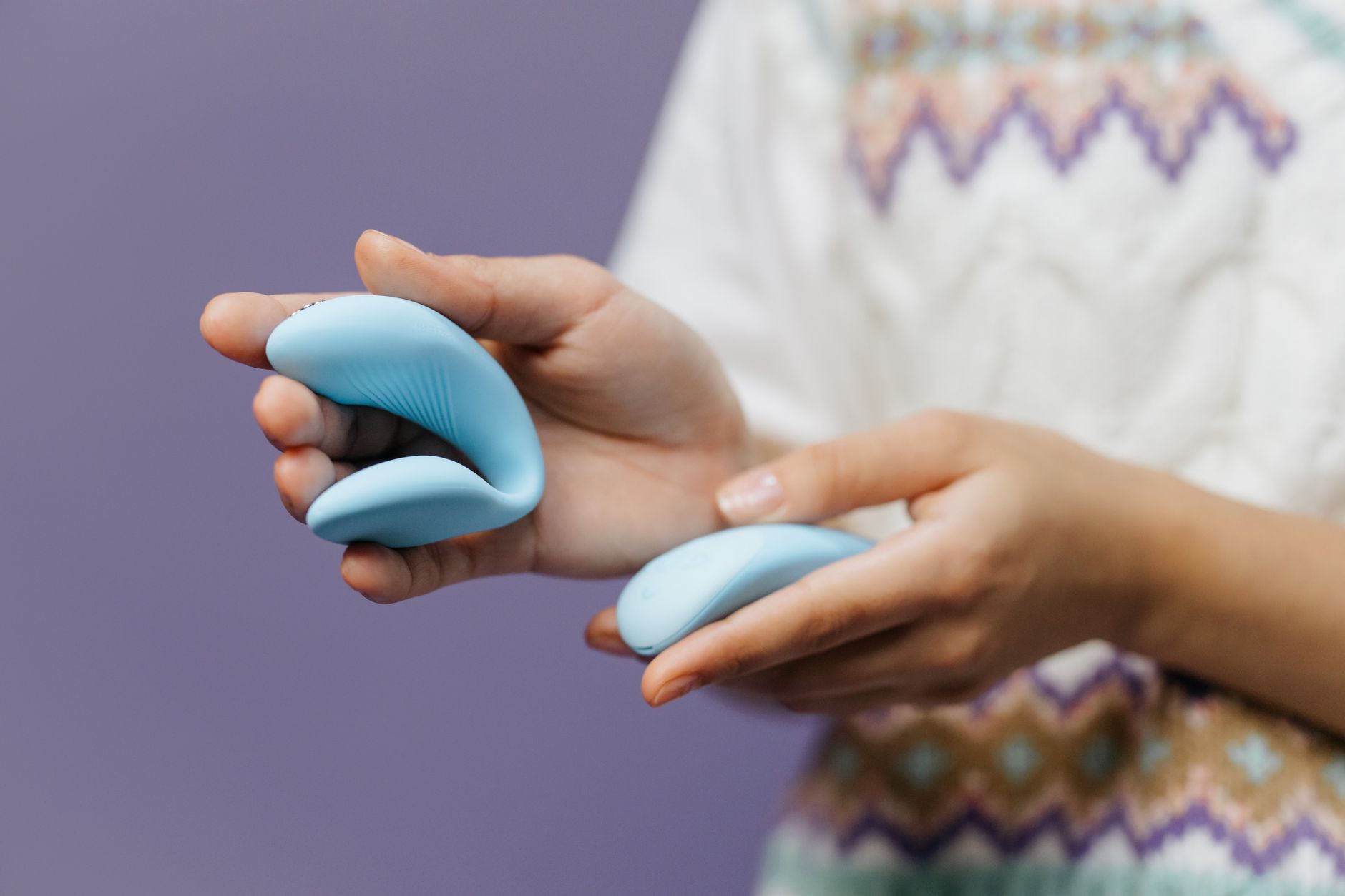
Lemon clitoral vibrators use air-suction technology instead. That means they create rhythmic suction patterns that stimulate nerve endings more directly than vibration alone. For someone whose arousal pathway feels muted, that directness matters. You're not relying on subtle vibration building over time. You're getting immediate, focused pressure that says "wake up" to your nervous system.
Many people find that a lemon vibrator gets them to sensation about 10-15 minutes faster than they would with a traditional vibrator. When every minute of effort feels harder, that time difference is real.
The timeline: when does it get easier?
Most people on SSRIs notice the arousal flattening peaks at about week two to three, then starts improving. By week six to eight, sexual response often stabilizes at a new baseline that's closer to your baseline before medication, though maybe not identical.
Some people hit that baseline faster. Some take longer. It depends on your dose, which SSRI you're on, how your body metabolizes medication, and whether your brain needed that serotonin boost badly enough that the trade-off is worth it. Which it usually is.
During those early weeks, using a lemon clitoral vibrator isn't a workaround. It's a bridge. You're training your nervous system that pleasure is still available while your brain chemistry stabilizes. The stimulation also helps maintain genital blood flow, which prevents the "learned numbness" that can happen if you give up on sensation entirely.
Three practical shifts that help immediately
Adjust your expectations about speed. If you used to get aroused in five minutes and now it takes twenty, that's not a failure. That's your new temporary normal. Plan for it. Don't try to force arousal on your old timeline. A lemon vibrator works best when you're genuinely giving it time, not rushing through it.
Start lower and layer up. Lemon vibrators come with multiple suction patterns and intensities. Begin at patterns one or two, not five. Your nervous system is sensitive right now. Overwhelming it too fast actually makes arousal harder, not easier. Build gradually.
Separate sensation from pressure to perform. During this window, sex with a partner can feel like work because you're so aware of the delay. Consider taking that off the table temporarily. Solo pleasure with a lemon vibrator lets you focus purely on sensation without the added cognitive load of managing someone else's expectations.
When to talk to your prescriber
If arousal hasn't started recovering by week ten, that's worth mentioning. Some antidepressants cause more sexual side effects than others. You might benefit from a different medication in the same class, or from taking it at a different time of day, or from adding something else to manage that specific side effect.
Don't assume you have to choose between your mental health and your sex life. Often, small adjustments make both possible.
Why this actually creates space for something better
Here's something I've seen consistently in my work with couples: the forced slowness that antidepressants create often leads to better sex, not worse, once the medication stabilizes. When arousal doesn't happen automatically, you have to be intentional. You explore what actually works instead of relying on the nervous system shortcuts that used to get you there.
Using a lemon clitoral vibrator during this transition isn't just about getting through a rough patch. It's about discovering that pleasure is flexible, that your body can respond in different ways, and that taking longer doesn't mean the destination is less worthwhile.
Most people I work with who started antidepressants come out the other side saying their sexual life improved. Not because the medication went away. Because they learned how to work with their body instead of against it.
Frequently asked questions
How long do antidepressant sexual side effects usually last?
Most people see improvement by six to twelve weeks. Some notice changes faster. A minority experience persistent effects beyond that window, though they're usually milder than the initial adjustment. If you're still struggling at three months, that's the time to bring it back to your prescriber.
Can I use a lemon vibrator even if I'm not feeling aroused at all?
Yes, absolutely. In fact, that's often when it helps most. You don't need to feel desire first. The vibrator can help wake up sensation, which then triggers desire. It's not backwards. It's how your nervous system works when it's not running on automatic.
Should I tell my partner about the arousal changes?
If you're in a partnered situation, yes. But frame it clearly: "This is a known side effect of the medication I'm managing. My body is adjusting. Here's what helps." Most partners want to know because otherwise they can misinterpret the slowness as rejection. It's not. It's neurochemistry.
Is it safe to use a lemon clitoral vibrator while on antidepressants?
Completely safe. There are no interactions between antidepressants and any external vibrator technology. The medication won't make you more sensitive to physical stimulation in a dangerous way. You're just working with a different arousal baseline.
What if the lemon vibrator doesn't help?
Then you're probably dealing with a side effect that needs medication adjustment rather than a tool adjustment. That's not a sign that something is wrong with you. It's information that the current medication might not be the best fit. Talk to your doctor.
Will arousal ever feel normal again?
Most likely, yes. But "normal" might look different. You might be slightly slower to arousal than you were at twenty-two, and that's fine. That's actually normal aging too. Once your body adjusts to the medication and your mental health stabilizes, arousal usually finds a rhythm that works. It just takes patience and intentionality in the meantime.