Let's start with the honest part
Grief kills desire. It doesn't kill your capacity for pleasure, but it absolutely suppresses the desire to experience it. Your nervous system is in survival mode, your brain is running a background loop of loss, and the thought of feeling good feels almost disloyal, even when you logically know that's not rational.
Then one day, without warning, something shifts. A scent. A song. A moment of laughter with your partner that catches you off guard. And suddenly you notice it: a flicker of arousal. A physical memory of wanting.
That moment terrifies and confuses people in equal measure. Is it okay to feel this? Does it mean I'm moving on too fast? Am I betraying the person I lost? Here's what I tell my clients after a decade of working with grief in relationships: that flicker is not a betrayal. It's your body starting to believe that life still has room for pleasure. And it deserves respect.
Why grief suppresses arousal in the first place
Grief isn't just emotional. It lives in your body. When you lose someone, your nervous system enters a heightened state of alert. Cortisol and adrenaline stay elevated. Your brain deprioritizes anything that isn't survival: eating, sleeping, moving, connecting. Pleasure sits at the bottom of that hierarchy.
Desire specifically requires a few things grief actively works against. Your prefrontal cortex needs to quiet down enough to let sensation in. Your pelvic floor needs to relax. Your dopamine needs to be available for anticipation and reward. None of that happens easily when you're processing loss.
Add to that the guilt layer. Many people feel that pursuing pleasure is disrespectful to someone they loved. If they lost a partner, intimacy feels like a betrayal. If they lost a family member, sexual desire feels frivolous against the weight of that absence. Your body responds to that belief by suppressing arousal even further.
So when desire starts to return, it's not weakness or moving on too quickly. It's your nervous system gradually recognizing that you're safe enough to experience pleasure again.
The window when desire resurfaces is delicate
This matters because the timing varies wildly. For some people it's months. For others, years. There's no "right" timeline, and anyone who suggests there is hasn't actually sat with grief.
When that window opens, even slightly, the instinct is often to either slam on the brakes (guilt, fear) or push through aggressively (trying to feel normal again). Neither works. What works is gentleness. Curiosity. Permission.
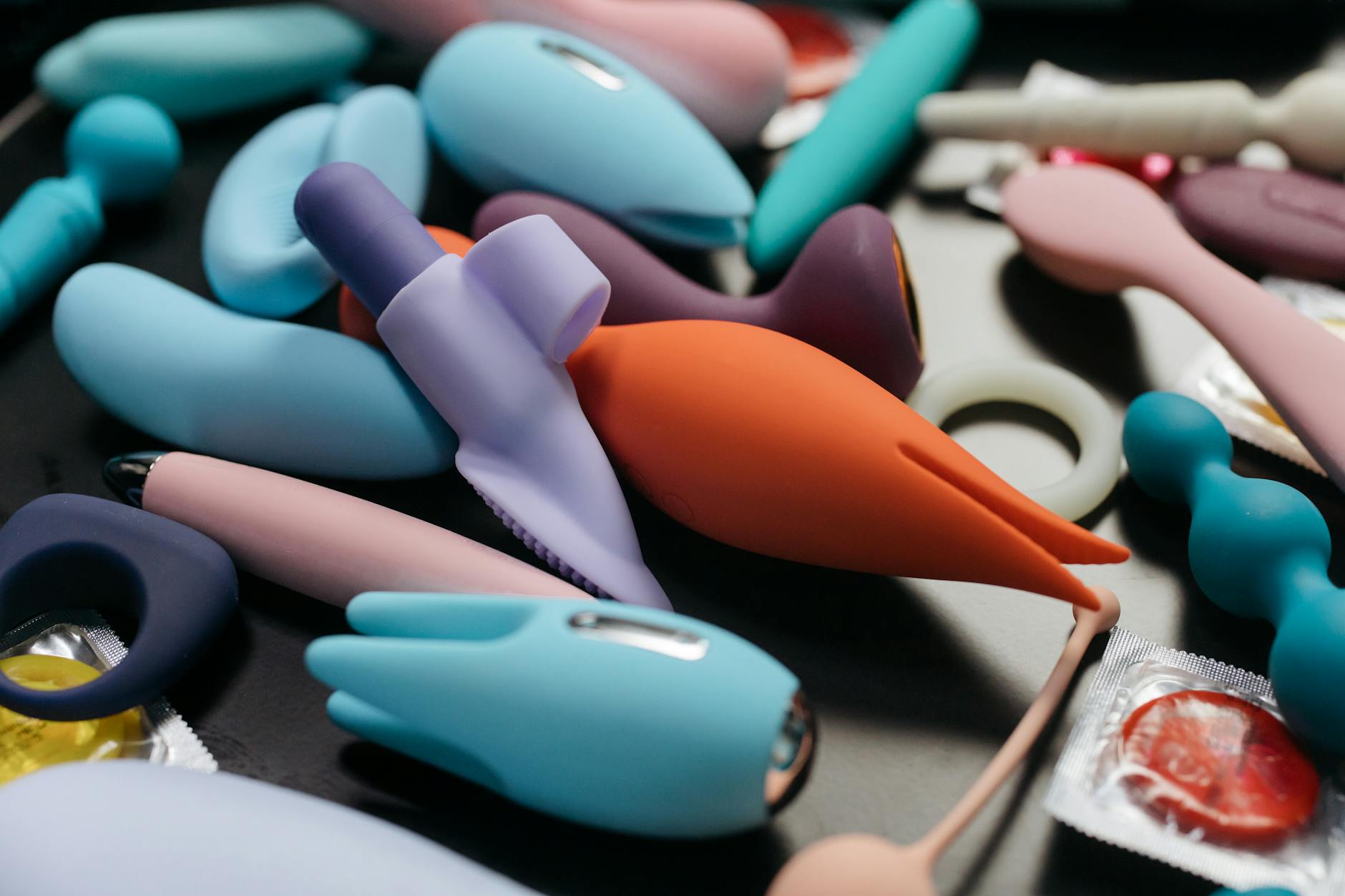
This is exactly where lemon clitoral vibrators become useful. Not because they're magical, but because they reset your relationship with pleasure without the weight of pressure. A lem vibrator or similar lemon-shaped clitoral vibrator works through gentle suction rather than intense vibration. That matters here because:
You're rebuilding sensation from a place of tenderness. Suction is less jarring than traditional vibration. It mimics the body's natural response more closely, which means less cognitive effort and more nervous system trust.
You can control the intensity without abandoning the experience. When grief is lifting and desire is fragile, having a tool that lets you start at setting one and work up means you're not forcing intensity you're not ready for.
The sensation is primarily clitoral, which means you're not managing complicated feelings about penetration or partner dynamics. You're simply reintroducing yourself to what your body is capable of feeling.
How to approach this practically
If you're in that window where desire is starting to return and you want to explore it with intention, here's what I recommend to my clients.
First, separate the decision from pressure. Check in with yourself: Am I doing this because I want to, or because I think I should? That distinction is everything. If it's the latter, wait. Grief on a timeline is grief that stays stuck.
Second, create actual privacy. Not just physical privacy, but mental space. Close the door. Put your phone away. Tell your partner (if you have one) that you're setting aside time for yourself and you're not available for 20 minutes. This isn't selfish. This is honoring the delicate work of reconnecting with your body.
Third, start with touch before tools. Spend 5 or 10 minutes just touching your vulva with your hands. No goal. No pressure to become aroused. Just reintroduction. Notice what you feel. Notice where sensation is numb and where it's alive. This prepares your nervous system.
Fourth, use a lemon vibrator or similar clitoral vibrator as an extension, not a solution. Start at the lowest setting. Move it around. You're not trying to orgasm. You're trying to remember what arousal feels like. Many people find that suction-based lemon adult toys help with this specifically because there's less pressure (both literally and psychologically) than traditional vibrators.
Fifth, stop whenever you want. Seriously. This isn't about performance. If you want to stop after two minutes, stop. Your body will learn to trust that you're listening to it.
If you have a partner, this conversation matters more than any toy
If you're rebuilding desire after grief and you have a partner, the most important thing you can do is tell them what's happening. Not in a heavy way. Just: "I'm noticing arousal starting to come back, and I want to explore that with kindness toward myself."
Many partners worry that grief means you're pulling away forever. Knowing that desire is returning often reassures them. And if they're also grieving, this can become a shared ritual of reconnection, which is powerful.
What you want to avoid is using a lemon clitoral vibrator or any tool as a way to manufacture intimacy you're not actually ready for. That backfires. What you want is to use the tool to explore what your body genuinely wants, then share that with your partner if that feels right.
Sometimes couples find that after loss, their sexual connection deepens because they're finally being honest about desire instead of performing it. Sometimes it takes time. Both are fine.
When to involve a professional
If more than two years have passed since your loss and you're still experiencing complete arousal suppression, talking to a therapist who specializes in grief can help. Sometimes what feels like ongoing grief is actually depression wearing a grief disguise.
If you want to rebuild pleasure but feel stuck between guilt and desire, that's also worth bringing to a therapist. Many of the couples I work with find that processing the guilt with professional support makes pleasure feel less complicated.
A lemon vibrator or similar lemon sexual toy is a helpful tool for physical sensation, but it's not a substitute for processing grief. Use it as one part of a larger commitment to letting yourself feel good again.
FAQ
How long after a loss is it normal to start feeling aroused again?
There's genuinely no timeline. Some people feel arousal return within months. Others take years. Both are completely normal. What matters is that you're noticing it without judgment. Grief isn't linear, and neither is the return of desire. The key is not forcing it and not punishing yourself for feeling it when it arrives.
Should I tell my partner if I'm using a lemon vibrator to rebuild desire?
That depends on your relationship and your comfort. If you share a bed and sexual life, yes, it usually helps to mention it. You don't need to make it a big conversation. Something simple like "I'm exploring some solo time with a toy" works. Many partners find this actually inviting rather than excluding, especially if grief has created distance.
Is it disloyal to feel pleasure after losing someone?
No. Pleasure isn't a betrayal of memory. In fact, for many people, the ability to feel pleasure again is proof that the relationship was real and meaningful. Grief and joy can exist in the same life. Your nervous system recovering isn't you forgetting the person you lost.
Can I use a lemon clitoral vibrator if I'm also taking antidepressants for grief-related depression?
Yes, absolutely. Actually, lemon sexual toys can be especially helpful if you're on antidepressants because they provide gentle, consistent stimulation without the judgment that sometimes comes with expecting your body to perform. If antidepressants are dulling sensation, start at the lowest setting and work up. Your sensitivity will often return as your mood stabilizes.
What if I feel guilty the moment arousal happens?
That's grief, not a sign you're doing something wrong. Sit with it. Some people find it helpful to acknowledge the guilt while also saying something to themselves like "It's okay for me to feel good." If the guilt is overwhelming, talk to your therapist. You might be processing more than just the physical response.
How do I know if I'm ready to share pleasure with a partner again?
You'll feel it. It's not a big announcement, usually. It's a willingness to be close without it feeling heavy. If your partner approaches you and instead of shutting down completely, you notice a tiny bit of curiosity, that's the signal. You don't need to act on it immediately, but that curiosity is your body telling you it's ready to explore.
One more thing
Grief changes us. So does healing. And the pleasure that comes back after loss often feels different than what came before. Sometimes deeper. Sometimes simpler. Honor whatever you find on the other side. Your capacity for joy isn't betrayal. It's resilience. And you deserve to feel it.
If you're navigating these waters and want more support or resources, reach out. We're here.