The intensity dial is not one-size-fits-all
Here's the thing about lemon vibrators: they come with a bunch of patterns and intensity levels, but there's no universal "best" setting. What feels perfect for direct clitoral contact might feel overwhelming on sensitive tissue. What works during arousal might be too subtle once you're fully turned on. The person next to you might prefer something completely different.
The real skill is knowing which settings suit which type of stimulation and which body states. That's what separates people who get frustrated with their lemon clitoral vibrator from people who can't imagine sex without one.
Direct stimulation: start low, build gradually
When you're using the lemon vibrator directly on your clitoris, intensity matters way more than novelty. Most people start at setting 1 or 2, especially if your tissue is sensitive or you haven't warmed up yet.
Direct contact means the vibrations hit the nerve endings with zero buffer. That's powerful. The urge is often to jump straight to a higher setting because "I should be able to handle this," but that usually backfires. Direct contact at high intensity tends to numb rather than amplify. You end up chasing sensation instead of building toward orgasm.
Start at pattern 1 or 2. Spend 2-3 minutes there. Your clitoris will engorge, blood flow increases, and sensation becomes sharper. Then move up to 3 or 4. Most people find their sweet spot between levels 3 and 5 for direct touch. You're looking for a setting where you can feel individual pulses but they're blending into a wave. That's the threshold where pleasure builds instead of plateaus.
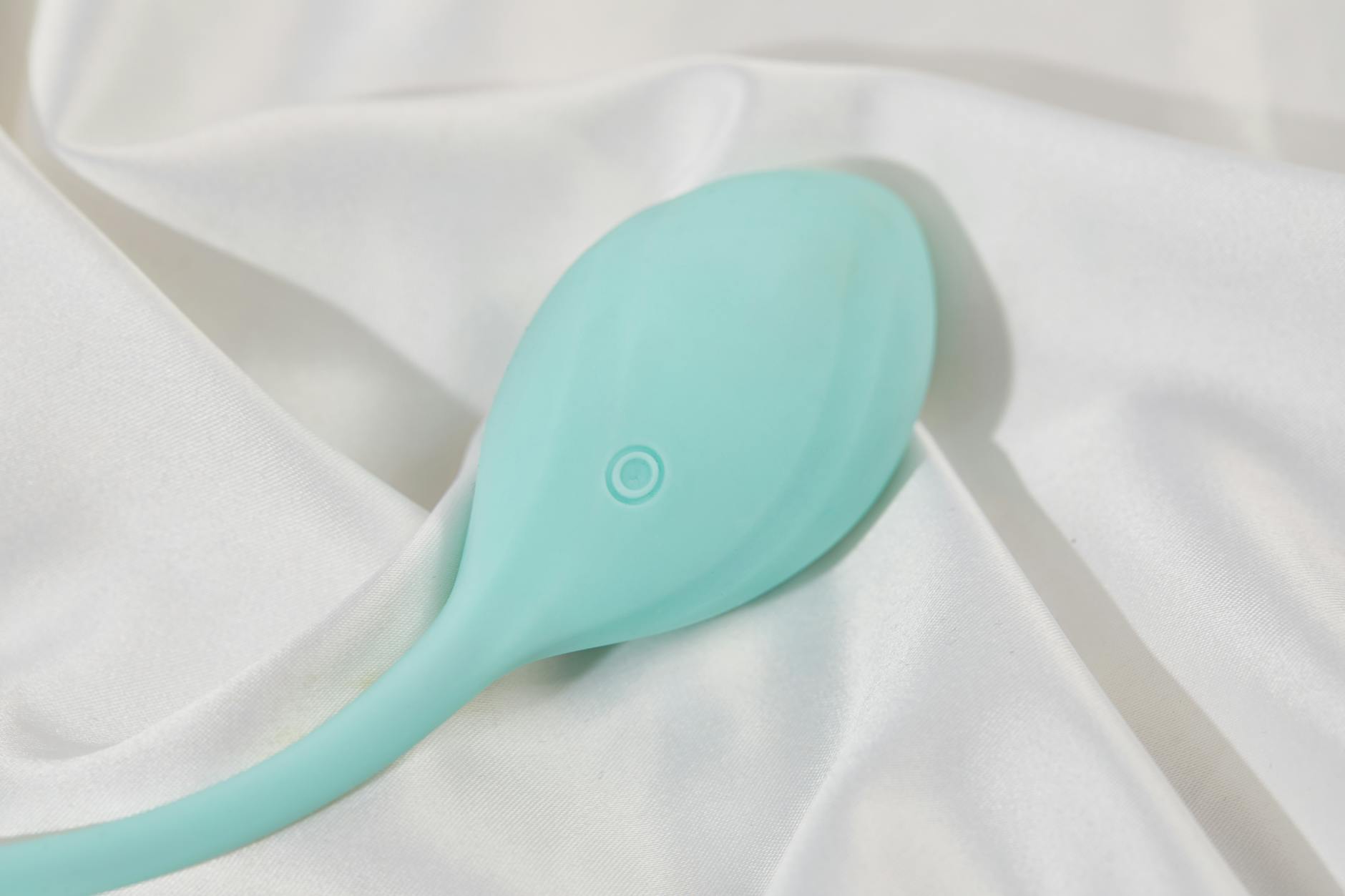
Photo by IFONNX Toys on Pexels
Indirect stimulation: pattern matters more than power
Indirect stimulation means holding the lemon vibrator against the side of your clitoris, above it, or applying pressure through fabric or your hand. This changes everything. The vibration has to travel through tissue to reach the nerve endings, which naturally filters and softens it. That means you can handle higher intensities without numbness.
When you're doing indirect contact, the pattern becomes more important than raw power. Steady patterns (the rhythmic, non-pulsing options) tend to work better than erratic ones for sustained arousal. Some people prefer a slow build, so they'll use a gentler pattern at a mid-range intensity and stay there for 10-15 minutes. Others like variety, so they'll switch patterns every few minutes as sensation builds.
Try starting at pattern 1 or 2 (usually the simpler, steadier options on most lemon adult toys) at a medium intensity. Level 4 or 5 is often comfortable for indirect contact because the stimulation is already being softened by how you're applying it. You can layer in hand movement too: small circles, up-and-down strokes, or pressure variations. The combination of vibration pattern plus your own movement often triggers orgasm faster than vibration alone.
Layered stimulation: combining internal and external
Some people want external vibration on the clitoris while using fingers or a toy internally, or they want the lemon vibrator against the clitoris while a partner touches them somewhere else. Layering adds complexity but also opens up different sensations.
When you're layering stimulation, your nervous system is processing multiple inputs at once. This often means you can use a lower external intensity without losing pleasure. If you're applying a lemon clitoral vibrator to the outside while something is happening inside, level 2 or 3 externally can feel like level 5 did solo. Your brain is getting more total input, even though any single sensation is gentler.
The key is starting with a lower external intensity and letting your partner or internal stimulation carry some of the load. Many people discover orgasms they couldn't reach with the lemon vibrator alone once they learn to layer. And honestly, if you have a partner, this is where communication matters most. They need to know what pattern you're using and where, so they can time their movement to match.
Finding your pattern preference
Most lemon vibrators offer 5-10 different patterns: steady pulses, rolling waves, escalating rhythms, staccato bursts, and more. Your preference depends partly on your nervous system and partly on what you're trying to achieve.
Steady patterns work best for sustained arousal and endurance. If you're trying to have an orgasm that lasts a while or build over time, steady is your friend. Rolling or escalating patterns often trigger faster orgasms because they mimic natural arousal progression. Staccato or highly varied patterns work well for people who get bored with repetition, or for switching things up mid-session.
The honest truth: you have to experiment. Spend a few sessions trying different patterns at the same intensity level. Notice which ones make you tense up (wrong) and which ones make you relax into the sensation (right). Your body knows. You're just translating.
Sensitivity windows and when to adjust
Your sensitivity to vibration changes depending on where you are in your cycle, how hydrated you are, stress levels, and honestly, the time of day. What felt perfect on Tuesday might feel too intense on Thursday.
If you find yourself chasing sensation, grinding harder, or tensing up to feel anything, that's a signal to lower the intensity. Counter-intuitive, but true. Your nervous system is fatiguing. Go down two levels, slow down, switch to indirect contact, or take a break. Sensitivity rebounds. Pushing through just teaches your body to numb out.
If you're feeling texture discomfort (sharp, pinchy, or raw), stop. Check that your lemon vibrator is clean, you've got enough lubrication, and your skin isn't irritated. Discomfort is different from intensity. Intensity should feel good, just strong. Discomfort means something's wrong.
The case for starting slower than you think you need
Most people arrive at their optimal lemon vibrator settings by going too high too fast, discovering they've numbed out, then backing down and having to recalibrate. Save yourself the trouble. Start at level 1 or 2. Spend real time there (at least 2 minutes, ideally 5). Let your body wake up. The pleasure builds in layers, and rushing past the early layers means you miss the whole structure.
You'll know you've found your setting when the sensation is strong enough to feel it clearly, your breathing changes, and your body wants to move. Not when you're gripping the toy or your jaw is clenched. Pleasure should feel like your body is relaxing into something, not fighting to feel it.
FAQ: Lemon Vibrator Settings and Sensation
Why does my lemon clitoral vibrator feel less intense at setting 5 than it did last week?
Your tissue desensitizes temporarily with repeated high-intensity use. This isn't permanent damage, and it's exactly why starting lower helps. Take a break (even just 24 hours), use a lower setting for a few sessions, or switch to indirect contact. Sensation comes back. If you're trying to prevent desensitization in the first place, vary your patterns, switch intensities mid-session, and don't always finish at the highest setting. Mix it up.
Is it normal to prefer different settings on different days?
Completely normal. Hydration, hormones, stress, caffeine intake, sleep, and even what you ate affect nerve sensitivity. Some days you might love level 2. Other days level 5 feels gentle. Trust what feels right that day instead of forcing yourself to use the same setting every time. The point is pleasure, not consistency.
What's the difference between a pulsing pattern and a steady pattern?
Steady patterns vibrate continuously at a constant speed. Pulsing patterns turn on and off in rhythm, creating a break-break-vibrate effect. Steady patterns build arousal gradually and work well for long sessions. Pulsing patterns often trigger faster or more intense orgasms because they mimic the body's own rhythmic contractions. Most people use both, depending on the day and what they're after.
Should I use the same intensity if I'm using the lemon vibrator with a partner?
Not necessarily. If your partner is providing stimulation elsewhere (hand, mouth, another toy), you can usually lower the clitoral intensity by 1-2 levels and still have the same total sensation. This also leaves room for you to move and respond to what your partner is doing. Communication helps: tell them "level 3" so they know the baseline, then you can both adjust based on what's working.
Can I damage my clitoris by using high intensity lemon vibrators too often?
No. Your clitoris is tougher than it seems. What happens with overuse is temporary desensitization, not damage. If you find you need higher and higher settings to feel anything, that's a sign to back off for a few days. Sensation always comes back. The devices from Hello Nancy are built with safety in mind, so intensity at level 5-10 is not going to harm you. Respect your own nervous system's feedback, though. If something hurts, stop.
What if I can't orgasm no matter which setting I use?
Settings are just one piece. Orgasm also depends on arousal, mental state, stress levels, lubrication, and sometimes the position you're in. If the lemon vibrator alone isn't working, try layering: combine it with hand movement, internal stimulation, or partner touch. Change the angle slightly. Use more lubrication. Take pressure off the "have to orgasm" part and focus on sensation instead. And if something's blocking you emotionally or physically, that's worth exploring with a therapist or sex-positive healthcare provider.
Getting to know your own pleasure
The best setting for you is not something I can tell you. It's something you discover by paying attention to what your body actually wants, not what you think it should want. Most people spend their whole lives doing the opposite. You're just learning to listen instead.